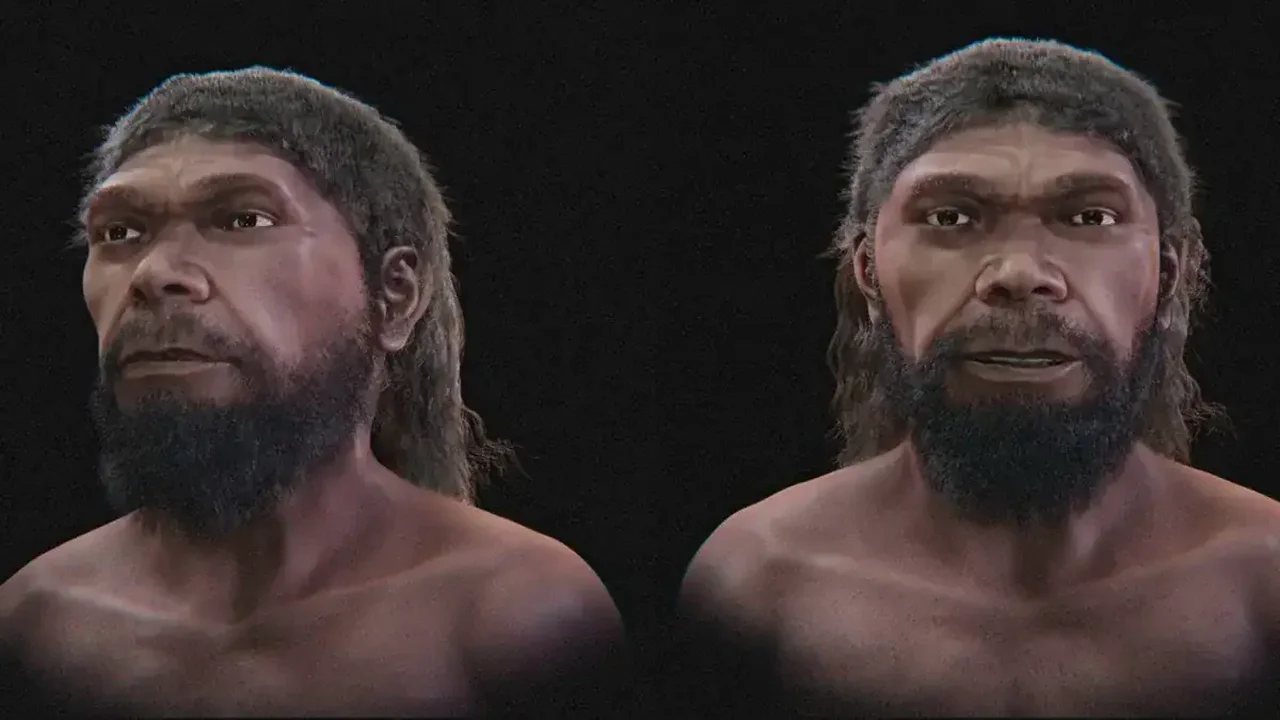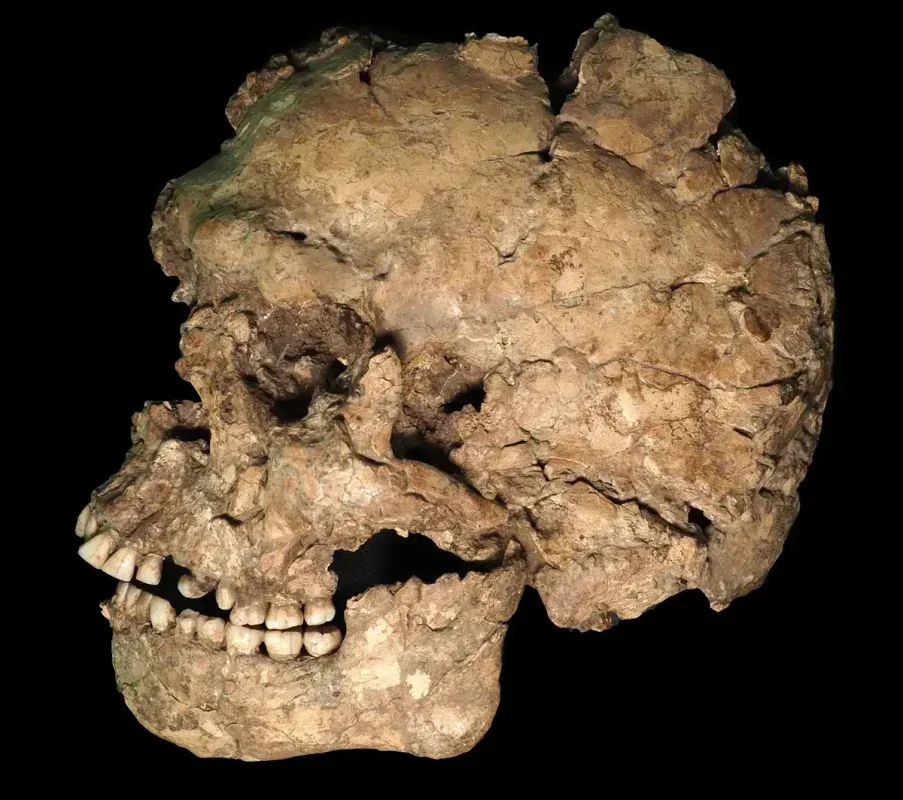
A fossil from Qafzeh Cave in Israel is offering a rare glimpse into the lives of early humans. Researchers examining the jaw of an individual known as Qafzeh 25 found a deep cut consistent with a sharp stone tool, and the bone had already begun to heal when he died.
What the Scan Revealed
The injury was identified through high-resolution micro-CT imaging of the lower jaw. The mark has a V-shaped profile, a pattern often associated with a blade-like edge rather than natural damage from burial or fossilization. The cut also reached a premolar, but not deeply enough to expose the tooth's pulp chamber.
That detail matters because the body had time to respond to the wound. Signs of bone remodeling show that the man survived long enough for healing to begin, making this one of the earliest known examples of sharp-force trauma in Homo sapiens.
A Window Into Early Human Life
Qafzeh Cave has long stood out in human origins research. Excavations have uncovered at least 27 early modern humans buried there between roughly 145,000 and 92,000 years ago, alongside evidence of symbolic behavior such as ochre use, shell ornaments, and decorated stone tools.
The new analysis adds a more personal layer to that story. The position of the wound on the left side of the face matches a pattern often seen in face-to-face encounters, which may point to interpersonal violence. At the same time, researchers note that an accident during hunting or another activity cannot be ruled out.
Another surprise came from the same jaw: a hidden cavity in a rotated premolar, the first such case reported in the Qafzeh group. That finding fits with earlier observations that dental problems were relatively common among these ancient people.
Burial, Care, and Survival
The remains show no clear signs of scavenging or long exposure, suggesting the body was buried soon after death. Combined with the healing injury, this points to a community that not only faced hardship but also provided care and burial with intention.
Published in Scientific Reports, the study shows how a single fossil can preserve both biological detail and social history. Findings like this may help researchers better understand how early humans lived, healed, and supported one another in deep prehistory.