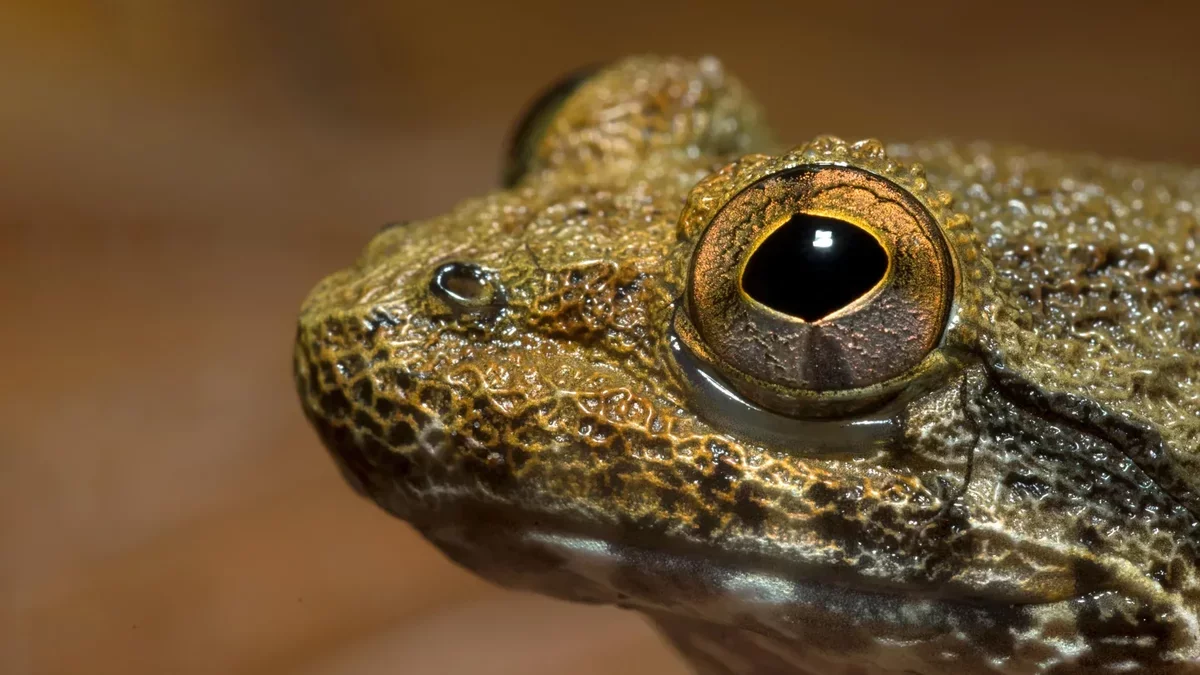
In a fascinating discovery, scientists are uncovering the hidden diversity of Borneo's fanged frogs, challenging previous assumptions about this unique group of amphibians. Chan, a herpetologist, highlights that while the image of an explorer finding a new species is captivating, the reality often involves revisiting known animals with advanced tools and fresh genetic insights.
The Bornean fanged frogs, characterized by their distinctive tooth-like jaw projections, have long been recognized, with one species, Limnonectes kuhlii, documented since 1838. Recent genetic analyses suggest that what was once thought to be a single species may actually comprise several distinct groups.
Unveiling Cryptic Species
Chan explains that animals that appear similar but are genetically different are termed cryptic species. With the advent of sophisticated genetic sequencing techniques, researchers are increasingly identifying these hidden lineages. "A ton of cryptic species are being discovered left and right," Chan notes.
To assess the true number of species within this group, Chan and his team collected DNA samples from various specimens in Malaysia's mountainous rainforests, analyzing over 13,000 genes. Their findings, published in the journal Systematic Biology, indicate that while there are multiple genetic clusters, the actual number of distinct species is likely around six or seven, rather than the previously speculated eighteen.
The Importance of Accurate Species Identification
Understanding the precise number of species is crucial for conservation efforts, especially as amphibians face significant threats globally. A recent study highlighted that nearly 40% of amphibian species are at risk of extinction, making them the most vulnerable vertebrate group.
Chan emphasizes the necessity of recognizing species to ensure effective protection. "There are so many species we haven't discovered yet, and they could vanish before we even name them," he warns. However, he also cautions against over-splitting species, which can lead to misleading conservation statuses and resource allocation issues.
Genetic Exchange and Speciation
The research also revealed considerable interbreeding among the frogs, complicating the definition of species boundaries. Chan asserts that this genetic exchange can blur distinctions, suggesting that some proposed cryptic species might stem from analytical methods rather than clear biological differences.
Overall, the case of Borneo's fanged frogs illustrates that species formation is often a gradual process rather than a sudden event. "It's more of a continuum," Chan states, reflecting the intricate nature of biodiversity.
Broader Implications for Biodiversity
The fanged frogs are just one example of a larger trend where genetic research is revealing countless species that may be overlooked. While earlier estimates suggested around 8.7 million species on Earth, new models indicate this number could be significantly higher, highlighting the ongoing mystery of our planet's biodiversity.
This study sheds light on the complex landscape of speciation, emphasizing the need for continued exploration and understanding of the natural world.