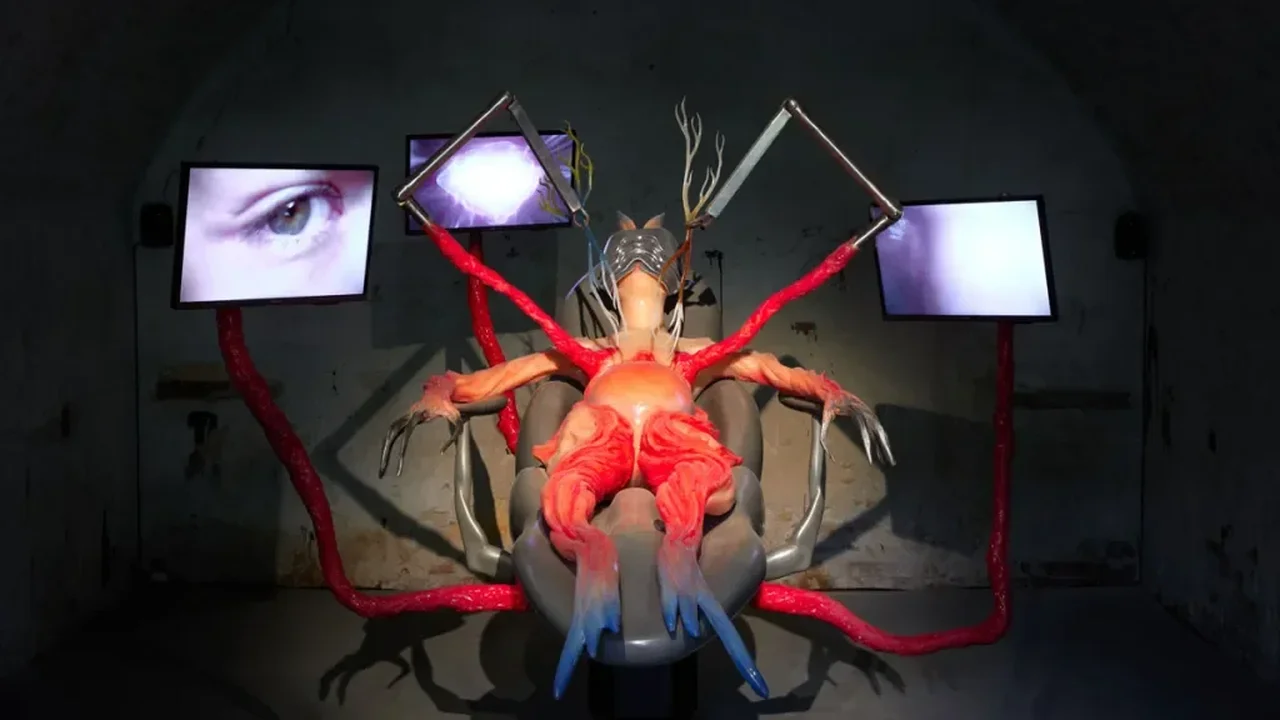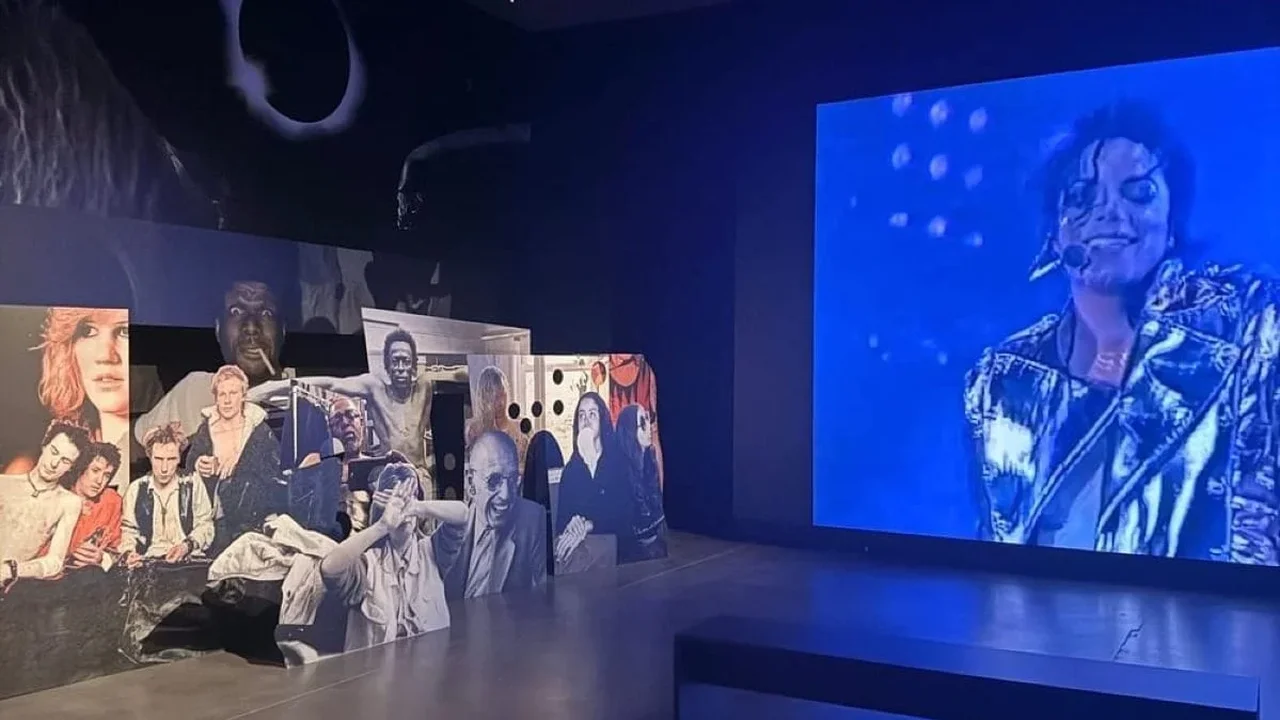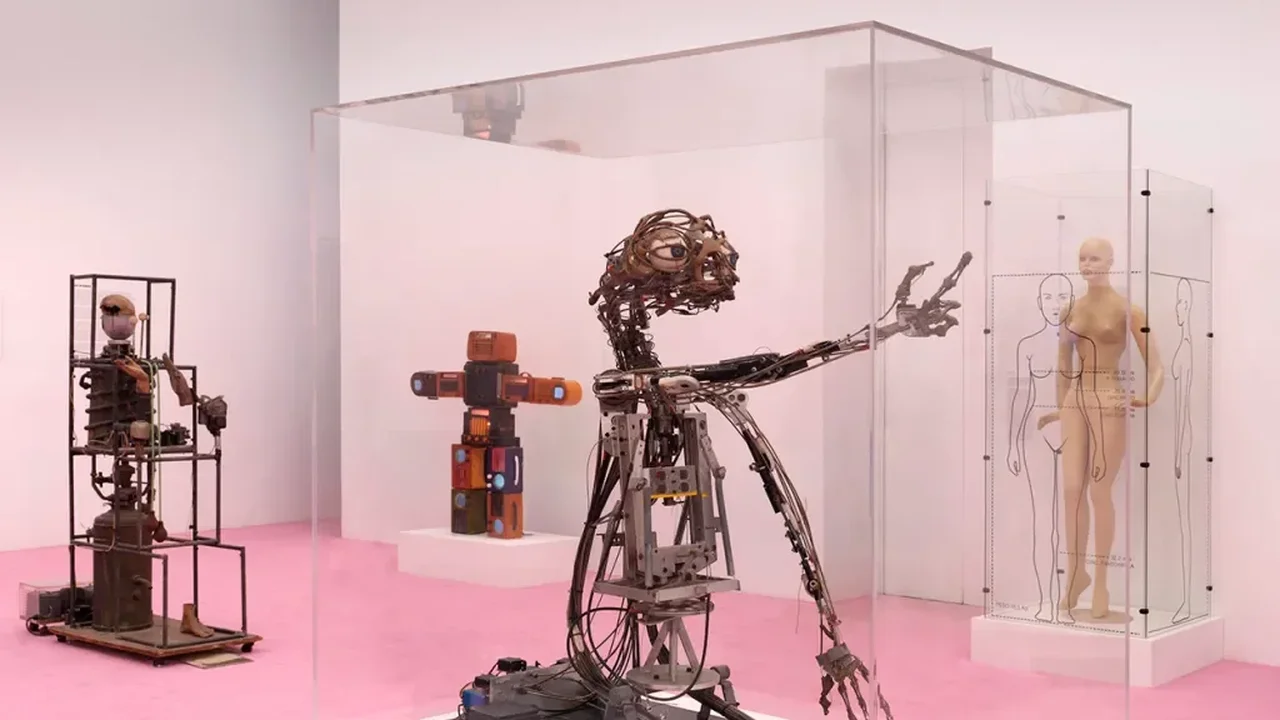
New York's New Museum has reopened with New Humans: Memories of the Future, an exhibition centered on cyborgs, hybrid bodies, and speculative futures. The show brings together around 200 artists and explores how technology reshapes ideas of the human form.
Yet the exhibition also reveals a major curatorial gap: disability is present as a theme, but largely absent as a lived perspective. The review notes that the project draws on retro-futurist ideas of bodily optimization while overlooking the disability arts movement and much of the scholarship that has long shaped this conversation.
Technology, Body, and Access
Among the works discussed is Donald Rodney's Autoicon, a digital archive that lets visitors interact with a version of the artist through a proto-AI interface. Ryan Gander's mechanical mouse is also highlighted for connecting animatronics to the artist's own experience of immobility in childhood.
At the same time, some pieces are described as visually or conceptually inaccessible for disabled audiences, raising a broader question about how museums present technology-driven art. The exhibition's language also leans on older ideas of "restoration" and "normalcy," rather than embracing disability as a source of innovation, culture, and design insight.
Still, the show points to an important truth: many of the technologies now seen as futuristic have roots in disability history, from prosthetics to everyday adaptive tools. As museums and artists rethink the body, this conversation may help shape a more inclusive future for art, design, and human-centered innovation.