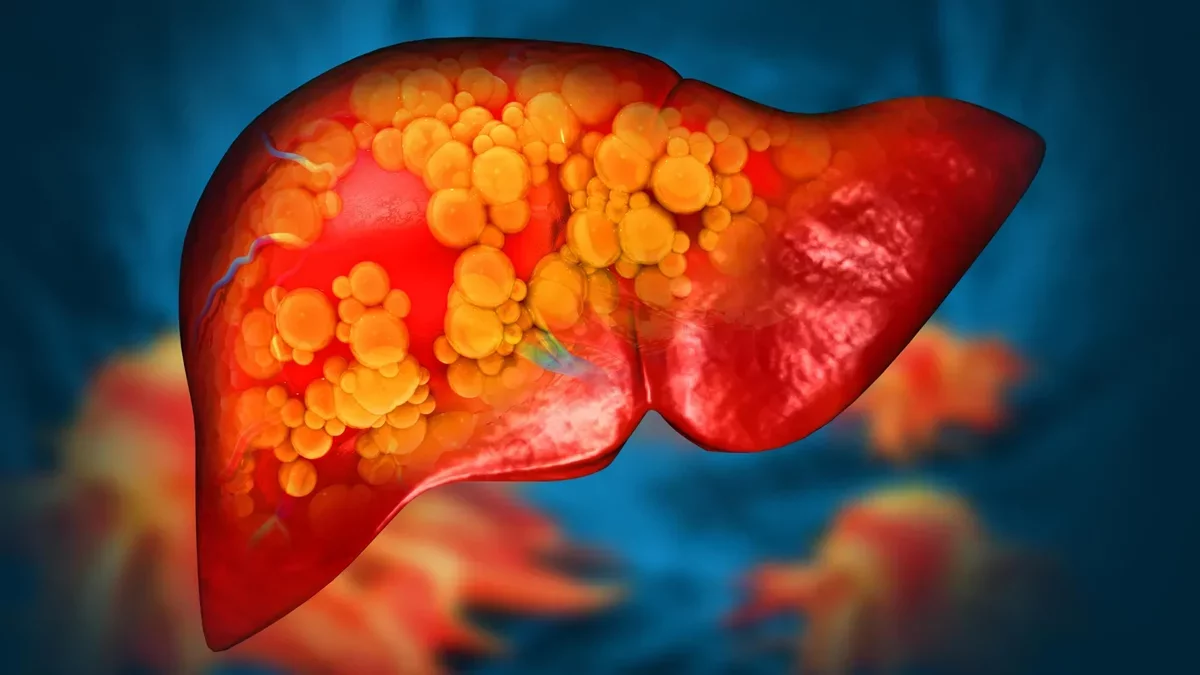
Recent findings from a study conducted by Keck Medicine of USC reveal significant risks associated with binge drinking, particularly for individuals suffering from metabolic dysfunction-associated steatotic liver disease (MASLD). This condition, which affects approximately one in three adults in the United States, can lead to severe liver fibrosis, or scarring, when individuals engage in heavy drinking episodes.
The research indicates that those who consume four or more drinks in a single day at least once a month are three times more likely to develop advanced liver fibrosis compared to those who distribute their alcohol intake over time. The study highlights a concerning trend where younger adults and men are more inclined to report such binge drinking behaviors, with higher consumption correlating with increased liver damage.
Dr. Brian P. Lee, a hepatologist and the study's principal investigator, emphasizes the need for heightened awareness regarding the risks of occasional heavy drinking. Traditionally, medical professionals have focused on the total quantity of alcohol consumed rather than the drinking patterns, which this study suggests is a critical oversight.
The research team utilized data from the National Health and Nutrition Examination Survey, analyzing responses from over 8,000 adults collected between 2017 and 2023. They specifically examined the relationship between episodic heavy drinking and advanced liver fibrosis, aiming to understand how drinking patterns can adversely affect even those who consider themselves moderate drinkers.
Given the rising prevalence of MASLD, particularly among individuals with obesity, Type 2 diabetes, and other metabolic disorders, the study's findings are particularly relevant. Over half of the participants reported engaging in episodic heavy drinking, with nearly 16% of those diagnosed with MASLD falling into this category.
By comparing individuals with MASLD to those with similar demographics and alcohol consumption habits, researchers concluded that episodic heavy drinkers are at a significantly higher risk of developing advanced liver fibrosis. Dr. Lee speculates that the acute consumption of alcohol can lead to both direct and indirect liver damage, particularly in those already at risk due to metabolic conditions.
As alcohol-related liver disease has seen a dramatic increase over the past two decades, largely influenced by pandemic-related drinking patterns and rising obesity rates, these findings underscore the importance of addressing binge drinking behaviors. Dr. Lee points out that while the study primarily focused on MASLD patients, the implications extend to a broader audience, highlighting a pressing need for further research and preventive strategies.
In conclusion, understanding the nuances of alcohol consumption patterns is vital for public health. As awareness grows, it may lead to more effective prevention and treatment strategies for liver diseases, ultimately improving health outcomes for many.