Groundbreaking research led by Christopher Walsh, MD, PhD, Chief of the Division of Genetics and Genomics at Boston Children's Hospital, has unveiled a fascinating connection between Alzheimer's disease and cancer. Collaborating with Alice Eunjung Lee, PhD, and August Yue Huang, PhD, both of whom are also professors at Harvard Medical School, the team aims to explore new diagnostic and therapeutic avenues for Alzheimer's.
Walsh notes, "Our findings suggest that Alzheimer's disease shares similarities with cancer, as both can be influenced by similar mutations found in blood cancers like lymphoma and leukemia." This revelation highlights the potential for existing cancer treatments to be repurposed for Alzheimer's care.
Identifying Cancer Driver Mutations in Alzheimer's
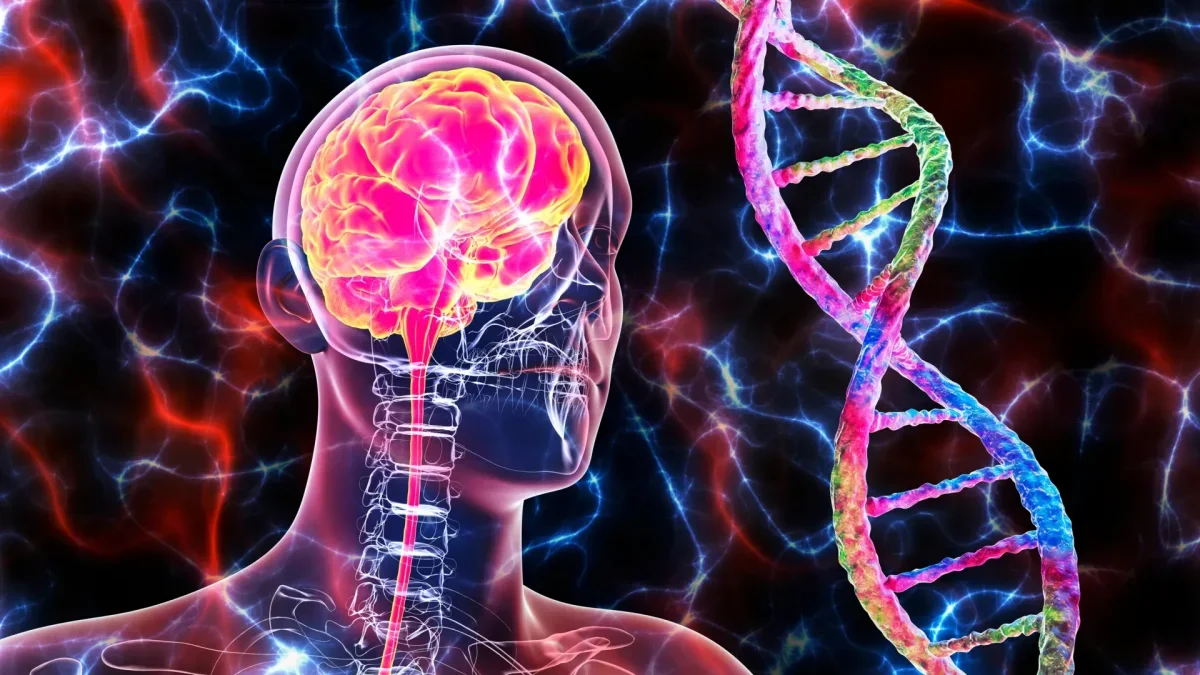
The research team meticulously examined 149 genes associated with cancer in brain tissue samples from 190 Alzheimer's patients, comparing them to samples from 121 healthy individuals. The results revealed a higher prevalence of single-letter DNA changes in the Alzheimer's samples, particularly within five specific cancer driver genes, indicating that microglia were accumulating mutations in targeted areas.
Microglia, the brain's essential cleanup cells, have traditionally been thought to remain within the brain and not traverse the blood-brain barrier. However, this study challenges that notion.
A Surprising Connection Between Blood Cells and the Brain
Upon discovering mutations in microglia typically linked to blood cancers, researchers extended their investigation to blood samples from the same Alzheimer's patients, expecting no correlation. To their surprise, they found identical cancer-associated mutations present in the blood cells.
Huang remarked, "This unexpected finding suggests a novel mechanism of Alzheimer's disease pathogenesis, indicating that immune cells with cancer mutations may infiltrate the brain and exacerbate the condition."
How Mutated Immune Cells May Contribute to Alzheimer's
The researchers propose that factors such as aging or injury could compromise the blood-brain barrier, allowing immune cells from the bloodstream to infiltrate the brain. Once inside, these cells might adopt microglia-like characteristics. Concurrently, the accumulation of protein clumps in the brain triggers microglia proliferation, favoring those with cancer-related mutations.
These mutated cells may create a more inflammatory environment, potentially harming nearby neurons and accelerating Alzheimer's progression.
Implications for New Alzheimer's Diagnostics and Treatments
This discovery opens the door to innovative strategies for assessing Alzheimer's risk. "Genetic screening using blood samples could help identify individuals carrying these mutations, indicating a higher risk for Alzheimer's disease," Lee explained.
In follow-up research, Huang and Lee found additional support for this connection, showing that cancer driver mutations in blood samples heightened Alzheimer's risk independently of the well-known APOE4 genetic factor.
This collaborative research, which included the Icahn School of Medicine at Mount Sinai, received funding from various esteemed institutions, including the Howard Hughes Medical Institute and the National Institute on Aging.