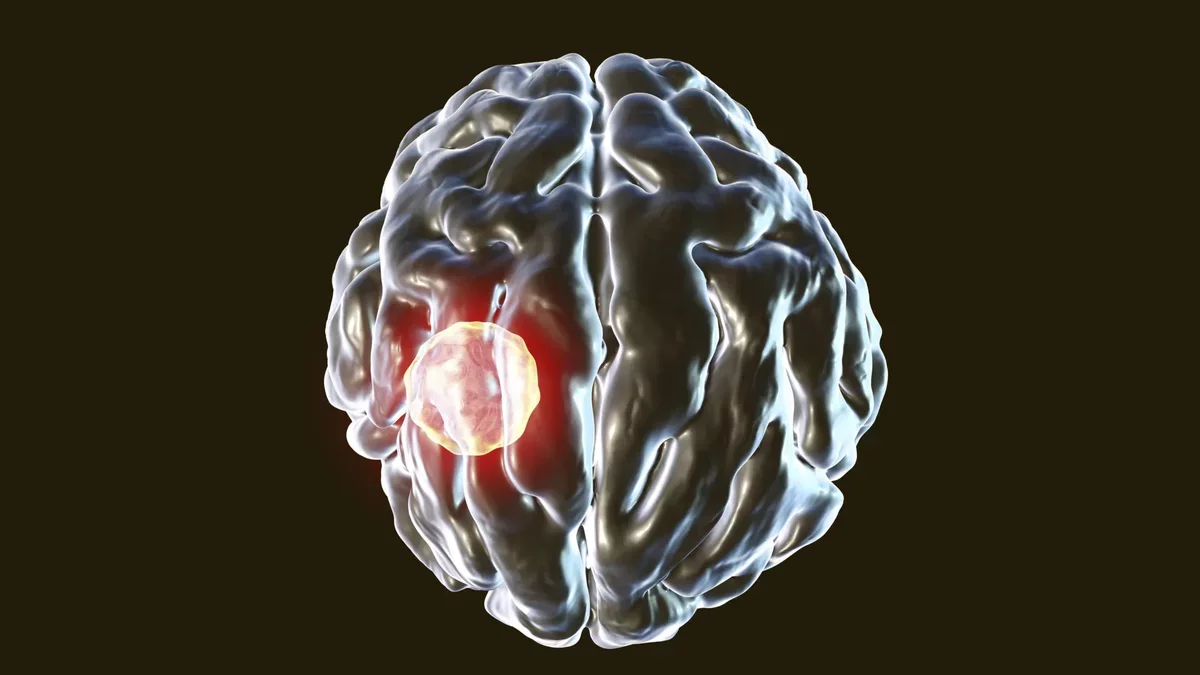
Toxoplasma gondii is a parasite that poses potential health risks, primarily affecting warm-blooded animals. Human exposure typically occurs through interactions with cats, consumption of contaminated fruits and vegetables, or through undercooked meat. Once inside the body, this parasite can migrate to various organs and ultimately reside in the brain, where it may persist for a lifetime. It is estimated that around one-third of the world's population harbors Toxoplasma, yet most remain asymptomatic. When symptoms do arise, known as toxoplasmosis, they are particularly severe in individuals with weakened immune systems.
A research team led by Dr. Tajie Harris aimed to explore the immune system's reaction when Toxoplasma invades CD8+ T cells, which are crucial immune cells responsible for eliminating infected cells. "We understand that T cells are vital in combating Toxoplasma gondii, and we previously believed we understood their mechanisms. However, we discovered that these T cells can also become infected and may choose to self-destruct. Since Toxoplasma needs to inhabit cells, the death of the host cell signifies the end for the parasite," explained Harris, director of the Center for Brain Immunology and Glia at the University of Virginia School of Medicine. "Gaining insights into how the immune system combats Toxoplasma is essential, especially for those with compromised immune systems, as it enhances our understanding of how to assist these patients."
Caspase-8 and Its Role in Defense
Dr. Harris and her colleagues found that CD8+ T cells depend on a critical enzyme known as caspase-8 to manage T. gondii. This enzyme is pivotal for regulating immune responses and can initiate a process that leads to cell self-destruction.
In laboratory studies, mice lacking caspase-8 in their T cells exhibited significantly higher levels of T. gondii in their brains compared to their counterparts with functional caspase-8. This occurred despite both groups demonstrating robust immune responses against the infection.
The disparity in health outcomes was pronounced. Mice with caspase-8 remained healthy, while those without it suffered severe illness and mortality. Analysis of their brain tissues revealed a higher likelihood of T. gondii infection in CD8+ T cells.
These findings suggest that caspase-8 is crucial in controlling T. gondii within T cells and contribute to the growing body of evidence highlighting the enzyme's significance in managing infectious challenges.
"We thoroughly reviewed scientific literature for instances of pathogens infecting T cells and found very few," said Harris, affiliated with UVA's Department of Neuroscience. "Now, we believe we understand why. Caspase-8 induces T cell death, and only pathogens that can manipulate caspase-8 can survive in CD8+ T cells. Before our study, we were unaware of caspase-8's critical role in safeguarding the brain from Toxoplasma."
Research Publication and Support
The findings were published in the journal Science Advances. The research team included Lydia A. Sibley, Maureen N. Cowan, Abigail G. Kelly, NaaDedee A. Amadi, Isaac W. Babcock, Sydney A. Labuzan, Michael A. Kovacs, Samantha J. Batista, John R. Lukens, and Harris. The scientists reported no financial conflicts of interest.
Funding for this research was provided by the National Institutes of Health and various grants, as well as awards from the University of Virginia.