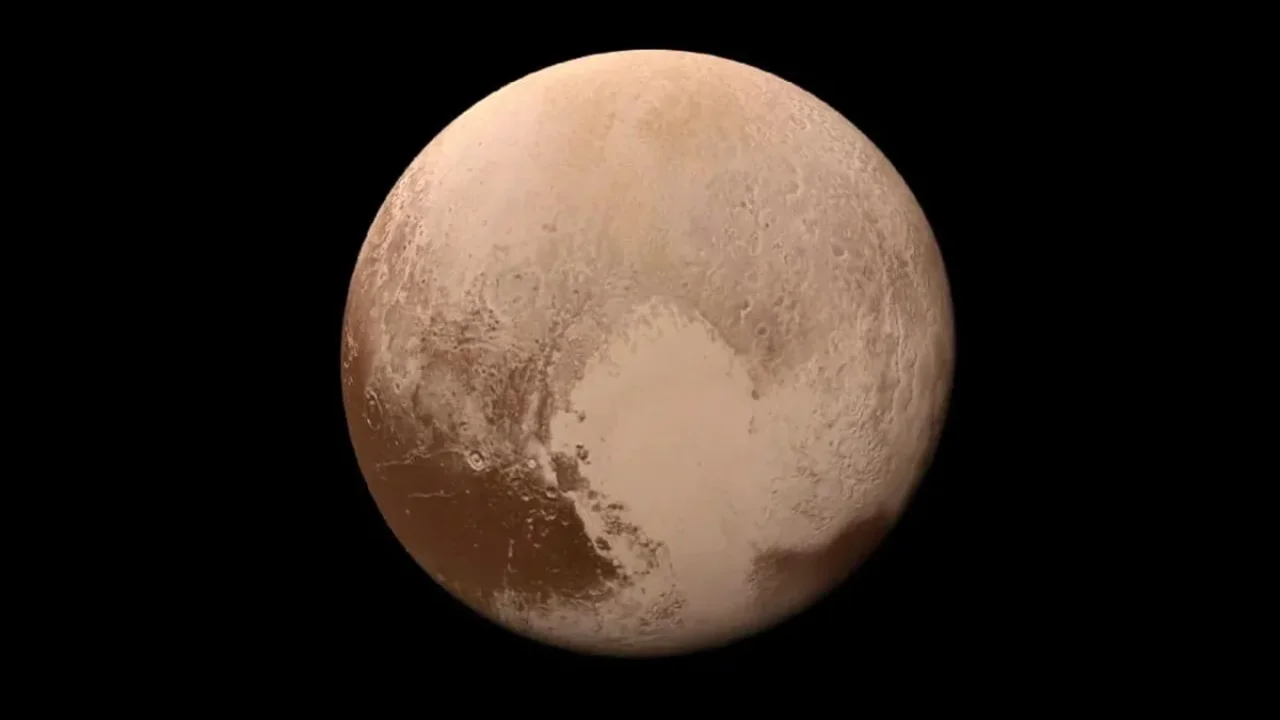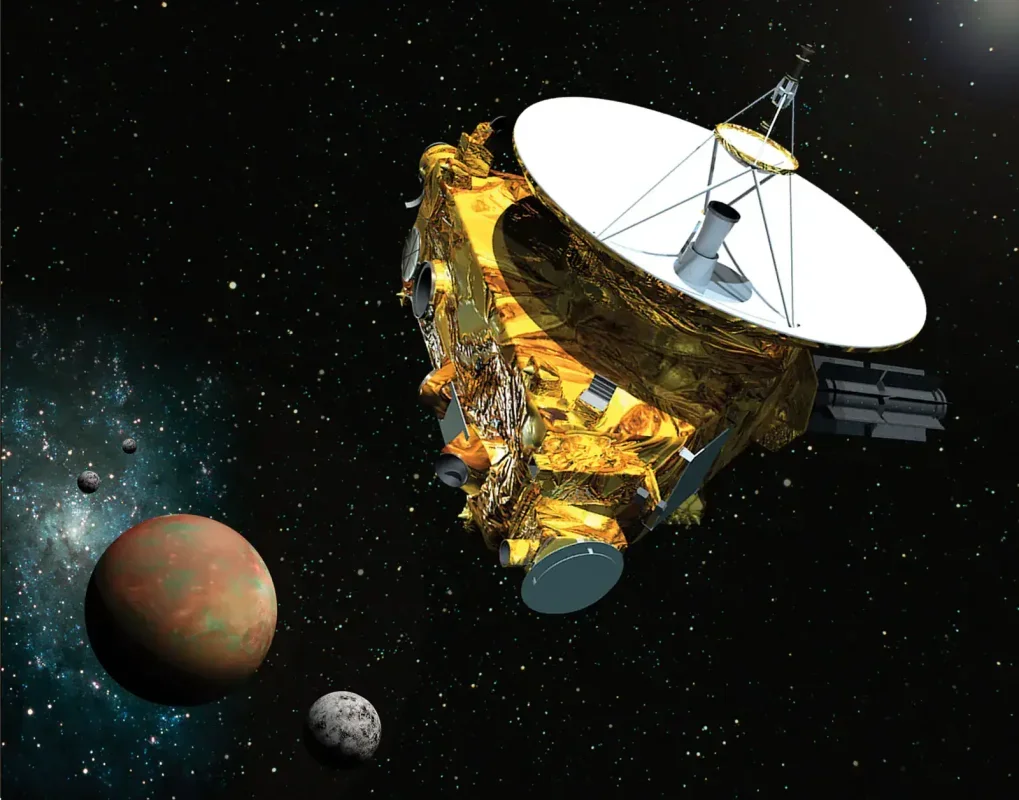
NASA's New Horizons spacecraft has emerged from a 321-day hibernation cycle while traveling more than 10 billion kilometers from Earth, deep in the outer reaches of the Solar System. The probe, which made history with the first close-up study of Pluto in 2015, is now preparing to transmit the data it stored during its long quiet phase.
A Deep-Space Wake-Up
The spacecraft was placed into hibernation in August 2025 to conserve power and extend its mission life. It was scheduled to wake in June 2026, and on June 23 it resumed normal operations. At its current distance of about 64 astronomical units, radio signals take roughly nine hours to travel between the probe and mission control.
Mission engineers report that all systems have remained in good condition throughout the sleep period. According to NASA, weekly status checks showed green across the board, allowing the team to move confidently into the next phase of operations.
Exploring the Outer Frontier
New Horizons is now focused on studying the heliosphere, the vast bubble shaped by the Sun's solar wind. Scientists want to better understand the termination shock, where that wind slows and begins to interact with particles from interstellar space. The spacecraft's instruments are especially valuable because they can make highly sensitive measurements in this remote region.
After its Pluto flyby, New Horizons later passed Arrokoth in the Kuiper Belt, adding another landmark to its journey. Since then, it has continued outward, moving beyond the orbit of Uranus and into a part of space explored by only a handful of missions.
If no new target is identified, the probe is expected to leave the Kuiper Belt around 2028 or 2029 and continue its outward path alongside the Voyager spacecraft. Each new dataset from this mission offers a clearer view of the boundary between our solar neighborhood and the wider galaxy, shaping the next era of deep-space exploration.