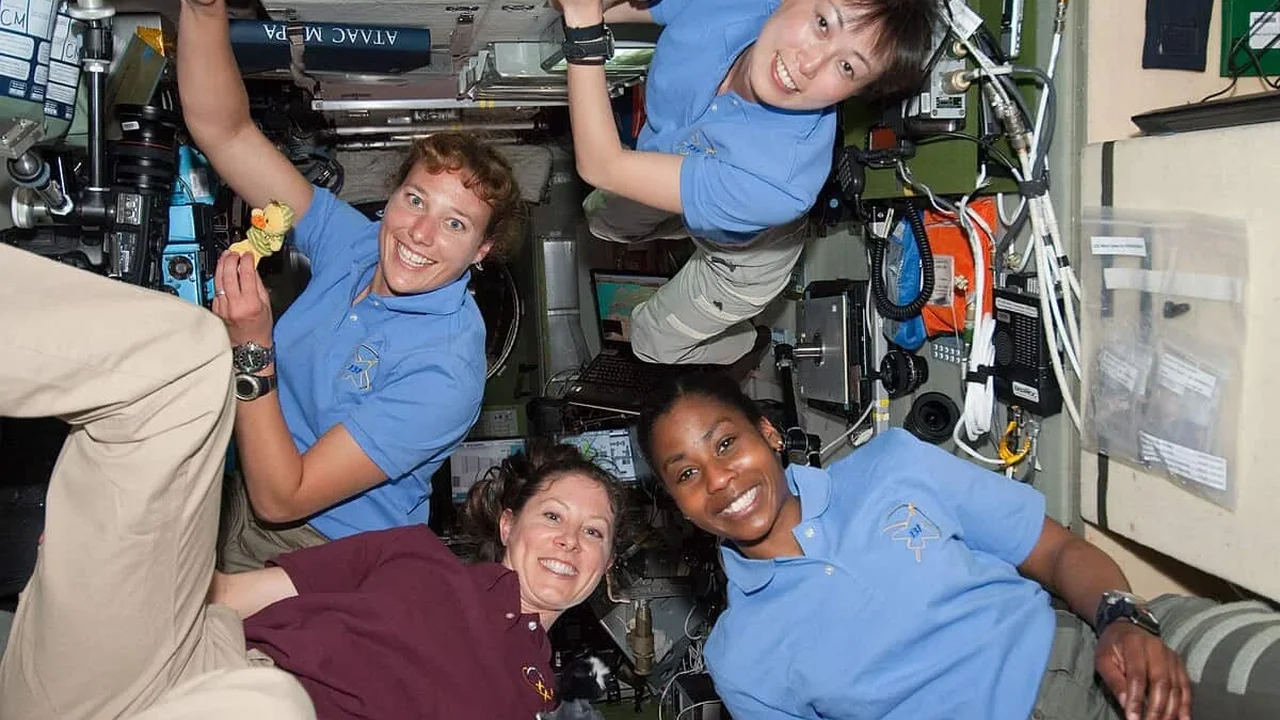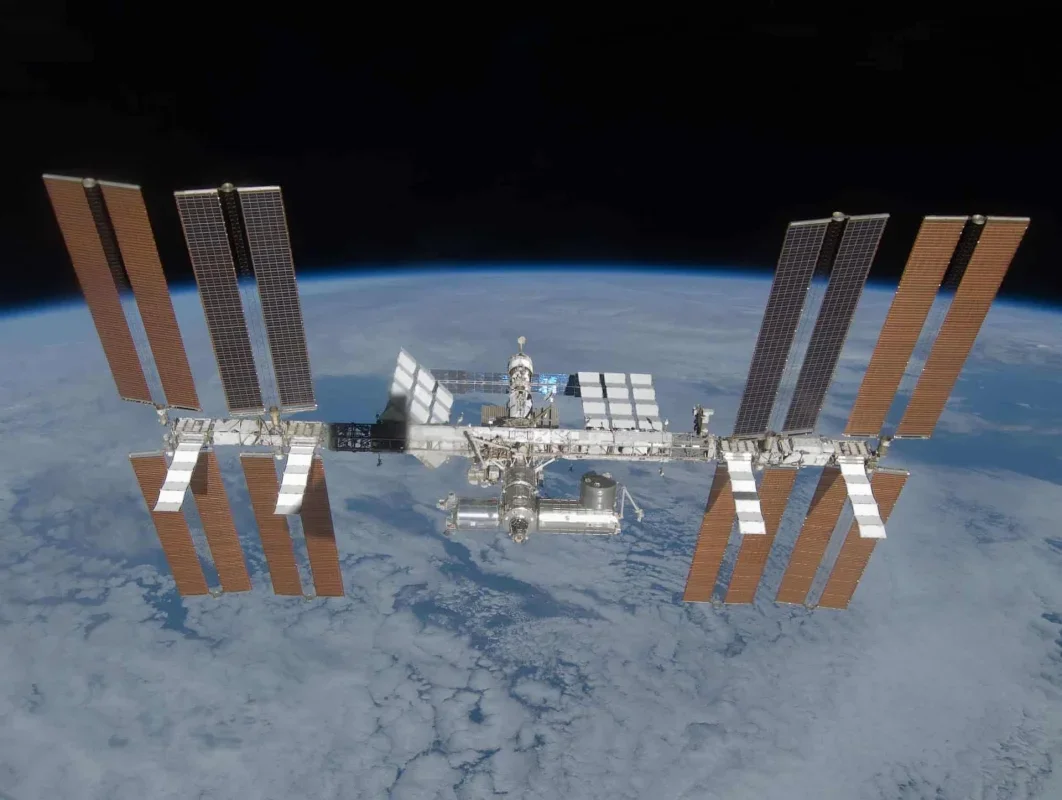
The International Space Station has once again shown why even the most advanced orbital platforms need constant care. On June 5, 2026, NASA asked five astronauts to move into a docked spacecraft after a growing air leak was detected in the Russian segment of the station. The alert was later lifted, but the incident highlighted how much engineering effort is still required to keep the ISS operating safely.
The issue centers on the Zvezda PrK transfer tunnel, an older section that connects to a docking port. Fine cracks in the structure have been patched repeatedly, yet no permanent repair has been found. NASA and Roscosmos differ on the level of risk, with NASA treating the leak as a serious safety concern and Roscosmos describing it as manageable.
As the leak rate increased in early June, repair ideas changed several times. One proposal involving drilling was dropped, followed by another plan to cut away a load-bearing bracket. During that period, astronauts briefly sheltered in SpaceX's Crew Dragon capsule before returning to the station once the situation stabilized.
The episode also points to a larger transition in human spaceflight. The ISS was always intended as a bridge to a new era of commercially operated stations. Companies such as Vast, Axiom, and Starlab Space are developing orbital habitats, but those projects are still maturing and face timing gaps before the ISS is scheduled to retire.
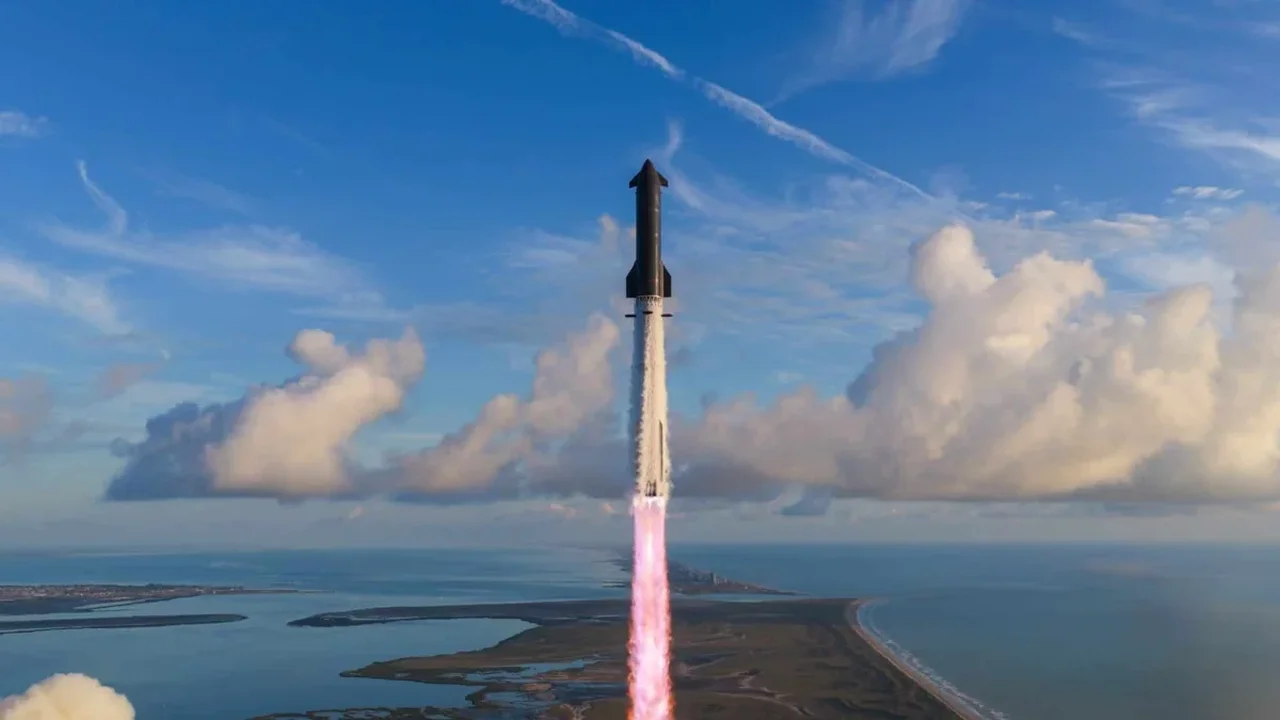
That timeline has already shifted. U.S. lawmakers are considering legislation that would extend ISS operations to 2032, reflecting delays in commercial replacements. When the station is eventually retired, NASA plans a controlled de-orbit using an adapted SpaceX vehicle, guiding the structure into the atmosphere over the remote Pacific near Point Nemo.
The ISS leak is more than a maintenance issue; it is a reminder that the next generation of orbital living will depend on reliability, investment, and long-term planning. The future of low Earth orbit may be shaped by how successfully this transition is managed.