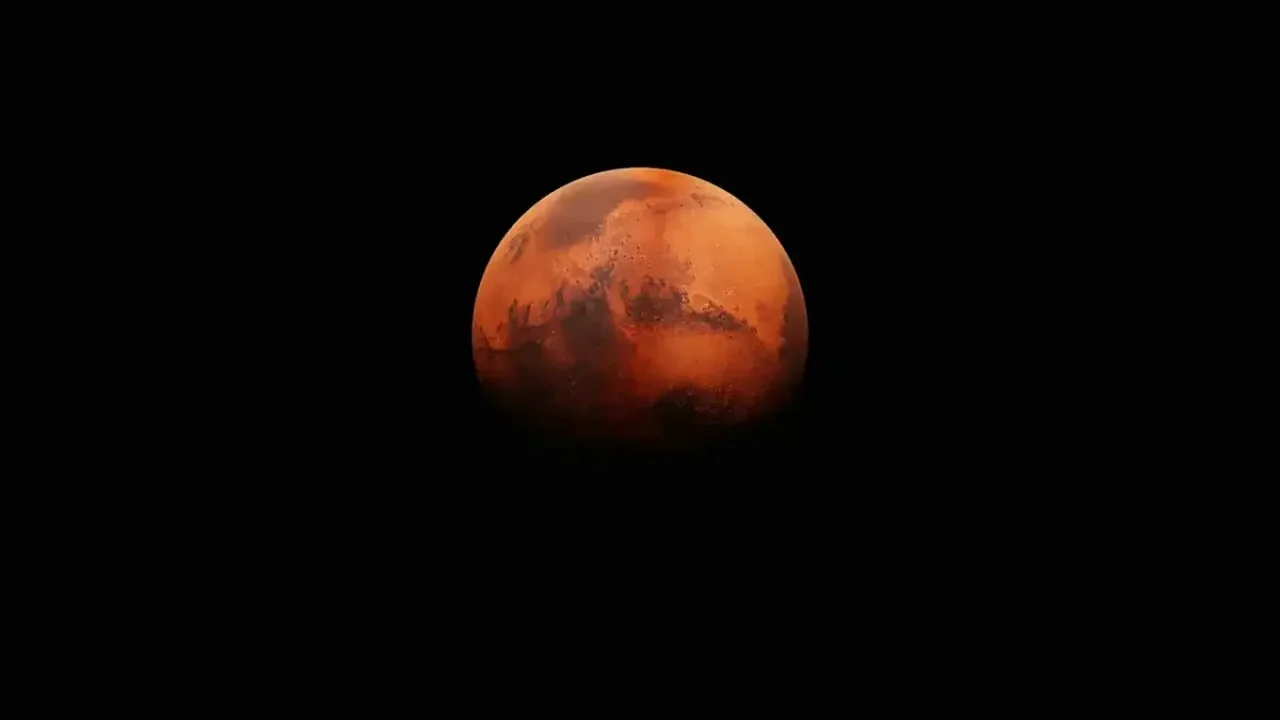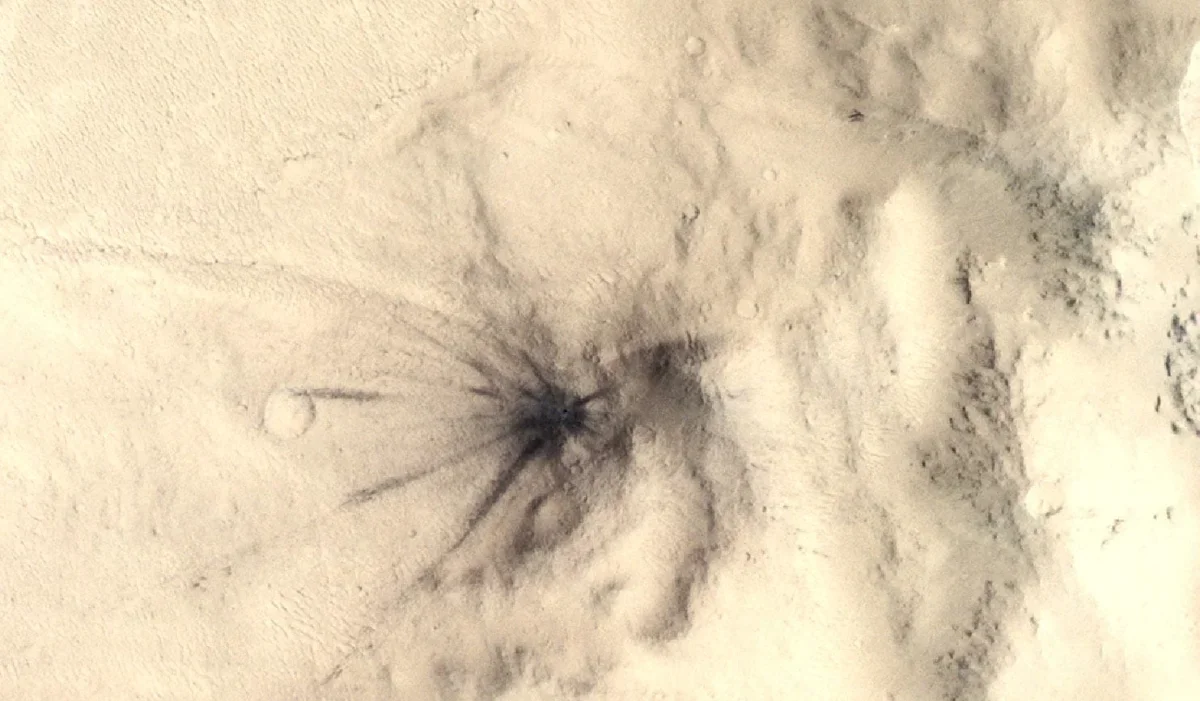
New research suggests Mars is being struck by space rocks more often than scientists once estimated, and the planet's interior may carry those impacts farther than expected. On 19 February 2021, a meteorite hit Mars and formed a crater about 21.5 meters wide. The shock waves from that event traveled roughly 1,640 kilometers before reaching NASA's InSight lander, which monitored the planet's interior from 2018 to 2022.
The finding emerged from a combination of orbital imaging and seismic records, with researchers using artificial intelligence to scan vast image archives much faster than manual review. In one 2025 machine-learning analysis, scientists identified 123 previously unknown impact craters near InSight's monitoring zone and linked 49 of them to seismic activity.
A New View of Martian Seismology
The studies indicate that Mars may experience impacts at rates 1.6 to 2.5 times higher than earlier image-based estimates. Another seismic calculation points to as many as 280 to 360 craters larger than 8 meters forming each year. Researchers also found that some shock waves move through Mars along a deeper, faster route than expected, described as a kind of seismic highway through the crust and mantle.
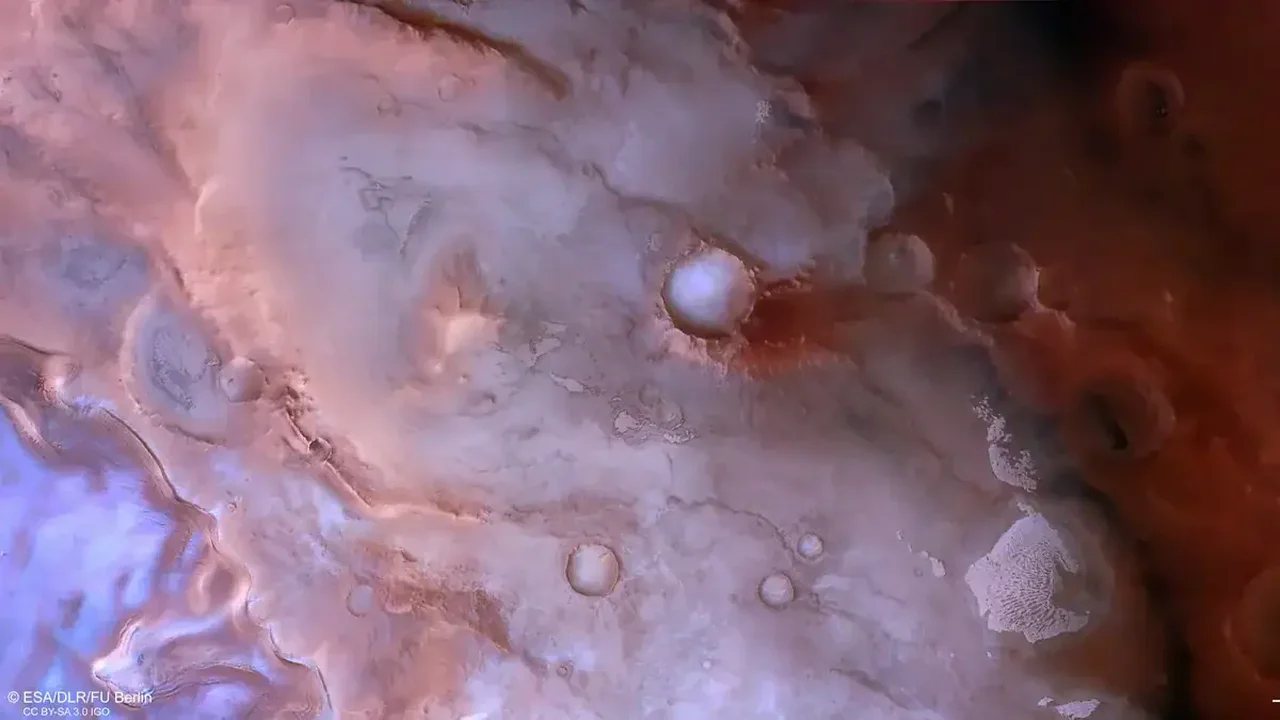
A key clue came from the Cerberus Fossae region, where a crater matched a seismic signal recorded by InSight. That connection helped scientists separate impact-related tremors from quakes generated inside the planet, improving the way Mars' hidden layers can be mapped.
The work also has practical value for future missions. ESA's Rosalind Franklin rover, planned for a 2028 launch with NASA support, will drill beneath the surface in search of signs of past life. Better knowledge of impact frequency and ground-shaking behavior can help mission teams design safer systems for robots, instruments, and future crews.
By combining orbital observation, seismic sensing, and AI analysis, researchers are building a sharper picture of Mars as a dynamic world. In the years ahead, this approach could reshape planetary exploration and strengthen how humanity prepares for life and science beyond Earth.