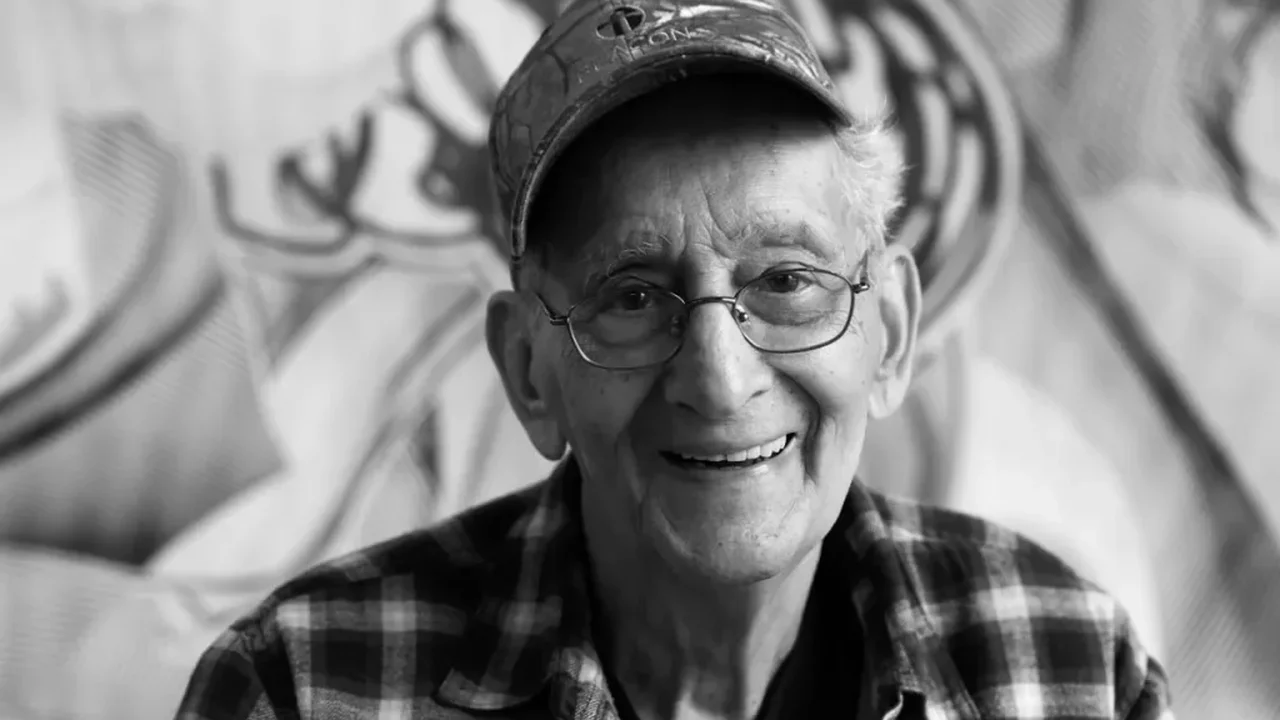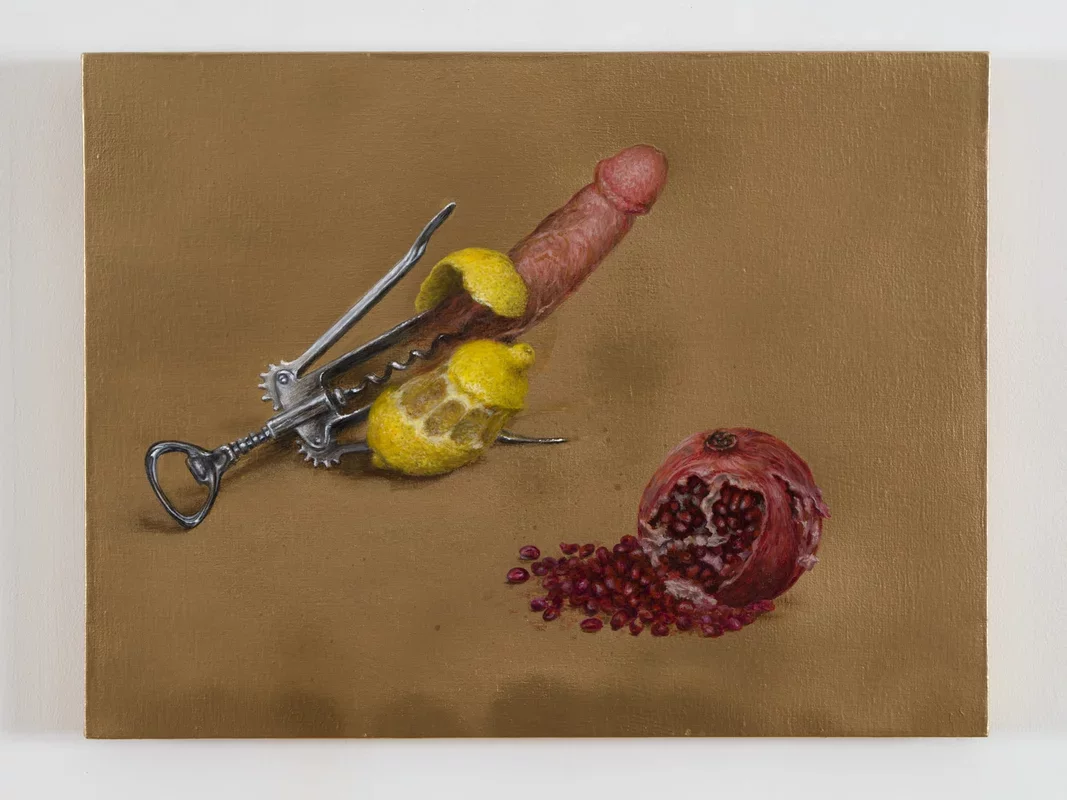
The latest exhibition by Naoto Nakagawa at KAPOW showcases a remarkable array of new acrylic paintings and intimate watercolors. This collection situates his recent artistic endeavors within the context of the traditional Japanese shunga, known for its erotic themes, while reflecting his six-decade journey through perception, material culture, and the natural environment.
Running until February 22 at KAPOW in Manhattan's Lower East Side, the works presented resonate with the enduring themes that have characterized Nakagawa's career since the 1960s. Notably, he explores the interplay between human-made objects and organic life. While earlier works approached this relationship on a cosmic scale, the current exhibition shifts focus to the immediate urban environment. In this context, New York City--its streets, signs, and corners--serves as a miniature stage for philosophical explorations. A standout piece, "Canal Street" (2025), illustrates this shift, depicting a lizard feasting on a street sign, a classic symbol of Manhattan's commercial landscape.
In his shunga series, everyday items like pencils, toothpaste tubes, and wine openers become focal points, blurring the lines between desire, labor, consumption, and daily rituals. Nakagawa's interpretation of sexuality is deeply intertwined with the world around us, mirroring traditional shunga's integration of the erotic within everyday life.
The shunga paintings and watercolors, including "Still Life With Wine Opener, Lemon, and Pomegranate" (2025), "Tom & Colgate" (2025), and "Pencil War" (2025), highlight Nakagawa's persistent intrigue with the dynamic relationship between objects and human bodies. These works resonate with still life and realist traditions from his earlier career while introducing a newfound intimacy and freedom in his technique.
Nakagawa's art has received international acclaim, with exhibitions at prestigious venues such as the Museum of Modern Art (MoMA) in New York, the Guggenheim Museum, and SFMOMA. His works are part of esteemed collections, including those at MoMA, the 9/11 Memorial Museum, and the National Museums of Modern Art in Osaka and Kyoto.