The America 250 celebration, marking the nation's semiquincentennial, is generating significant buzz, yet the response from museums seems muted. While festivities like the proposed IndyCar race on the National Mall are in the works, the cultural institutions tasked with chronicling this pivotal moment appear to be falling short.
As part of the A250 initiative, a nightly video projection on the Washington Monument has been showcasing a selective narrative of American history that emphasizes the contributions of prominent figures, often sidelining crucial aspects of the nation's complex past. This portrayal begins with a glorified depiction of Christopher Columbus and swiftly transitions through key events, glossing over the contributions of marginalized communities.
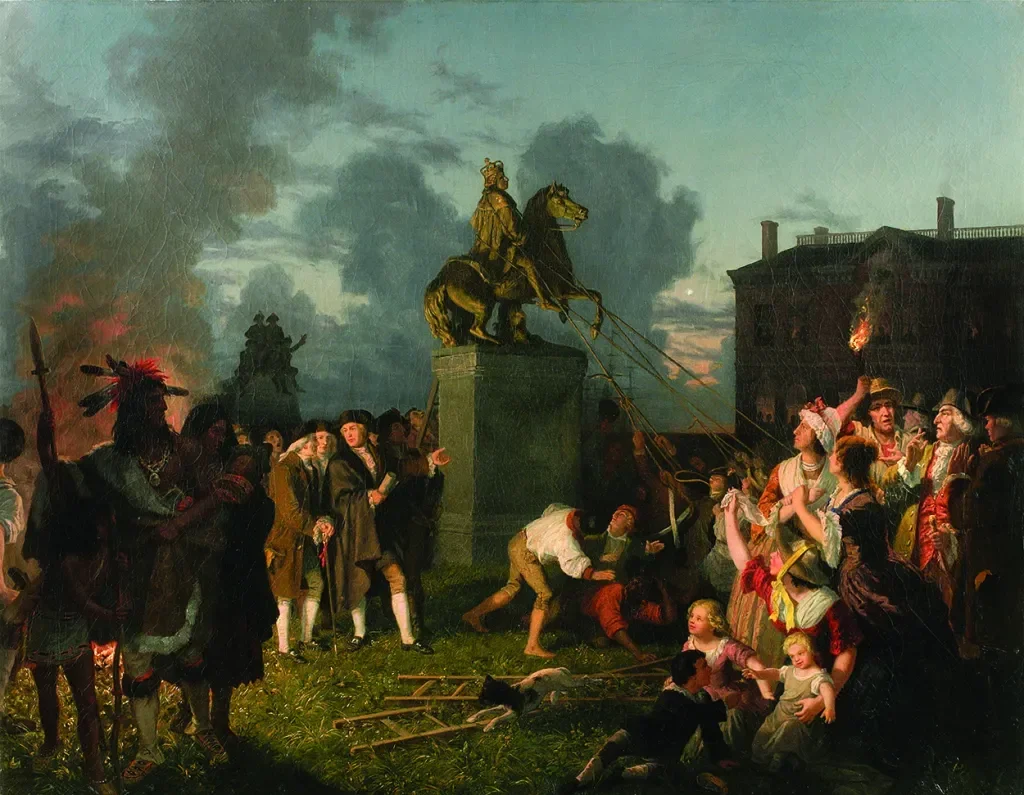
In a notable shift, the National Park Service plans to exhibit a statue of Caesar Rodney, a slaveholding signatory of the Declaration of Independence, in a plaza dedicated to Martin Luther King Jr. This juxtaposition raises questions about how history is portrayed and the narratives being constructed around it.
Behind the scenes, a company linked to former President Trump's rallies has taken over the planning for America 250, leading to concerns about the direction and authenticity of the celebrations. With over $26 million in federal contracts, this shift has prompted many to wonder if the festivities will truly reflect the diverse fabric of American society.
Despite these challenges, some museums are stepping up to fill the gaps. Institutions in Philadelphia are collaborating on an exhibition titled "A Nation of Artists," which aims to diversify historical art collections by showcasing works from underrepresented artists. Similarly, the Museum of Fine Arts in Boston is preparing its "America at 250" exhibition, which will integrate Native and non-Native art to explore the multifaceted narratives of nationhood and identity.
The American Folk Art Museum is also making strides with its exhibition "Folk Nation: Crafting Patriotism in the United States," linking vernacular art to American identity. Meanwhile, the Virginia Museum of Fine Arts is presenting a unique pairing of contemporary and historical works, fostering dialogue about the evolution of American art and identity.
As America approaches its 250th anniversary, it is essential for museums to embrace their role as cultural anchors. By promoting a fuller understanding of the nation's history--one that includes the stories of colonialism, displacement, and liberation--museums can offer a more inclusive perspective that resonates with contemporary audiences.
Ultimately, the way museums choose to navigate this moment could redefine their significance in American society, shaping how future generations understand their shared history and cultural heritage.