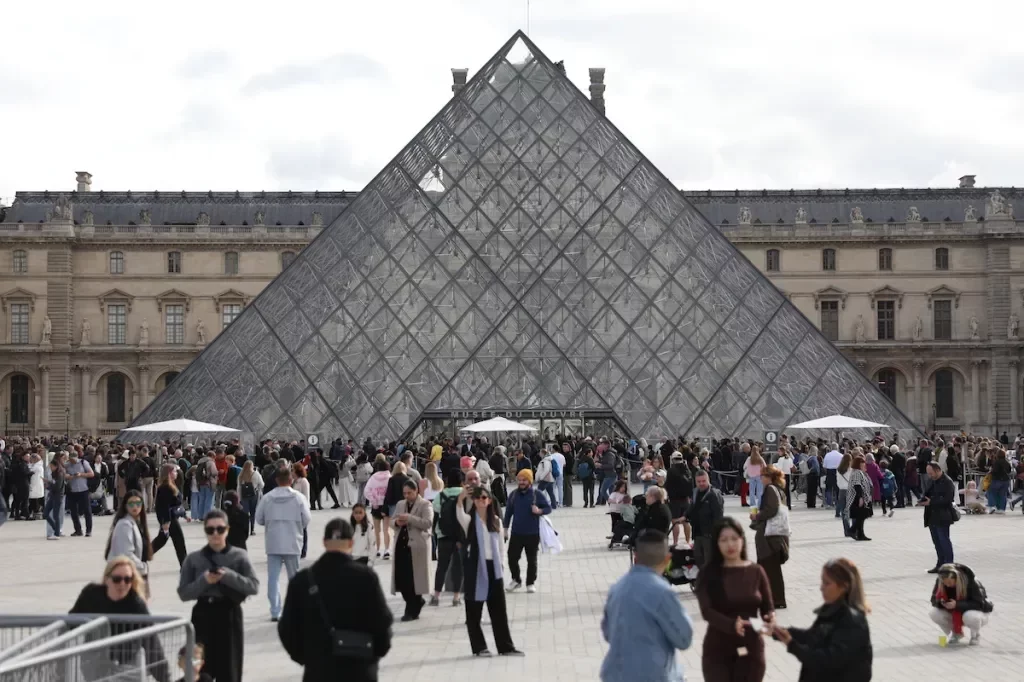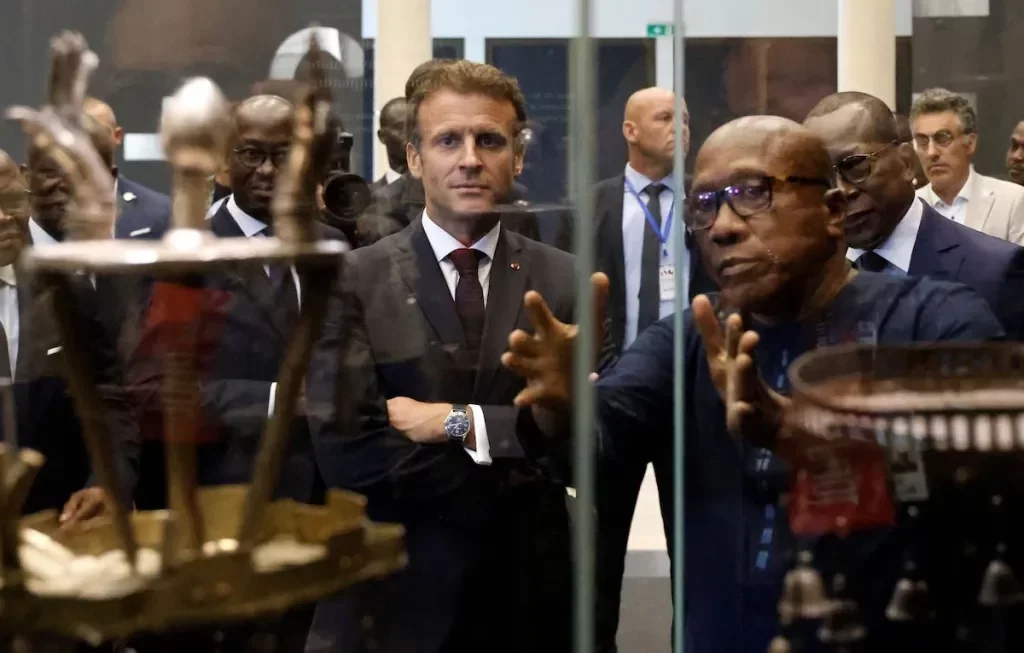
Historic Move. France's Parliament has unanimously approved a groundbreaking law aimed at simplifying the restitution of artworks taken during the colonial period, specifically between 1815 and 1972. This new legislation is the third iteration of a framework law designed to facilitate the return of art that was illicitly acquired and now resides in France's national art collection. The law is set to take effect this month, aligning with President Emmanuel Macron's 2017 commitment to return African heritage to its rightful owners, thereby strengthening diplomatic ties with former colonies.
Previously, each item returned required individual legislative action, a process that proved cumbersome. Under the new law, two committees, comprising experts from France and the requesting country, along with government representatives, will assess restitution requests. The final decision will be made by France's highest administrative court, based on the committees' findings, and enacted through government decree. Notably, while the term "colonialism" is not explicitly mentioned in the law, it addresses a significant demand from the political left: countries seeking restitution will no longer need to prove their capacity to care for the returned objects, a stipulation that some conservatives had advocated for.
Additionally, the law mandates that museums within France undertake research into the provenance of artworks in their collections, ensuring a more transparent and accountable approach to the management of cultural heritage.
In Other News, workers at the American Folk Art Museum in New York staged a protest seeking improved wages and benefits during the museum's annual gala. Meanwhile, Indonesian artist Dian Suci has been awarded the prestigious 2025-27 Max Mara Art Prize for Women, which includes a residency and exhibitions at the Museum MACAN in Jakarta and the Collezione Maramotti in Italy. In Venice, a restored Banksy mural titled Migrant Child will be touring the city this weekend, highlighting the ongoing dialogue between art and social issues.
As the art world continues to evolve, France's new restitution law stands as a pivotal step towards addressing historical injustices and fostering international cooperation in the cultural sector. This initiative not only paves the way for the return of significant cultural artifacts but also sets a precedent for other nations grappling with similar issues, potentially reshaping the future of global art repatriation.