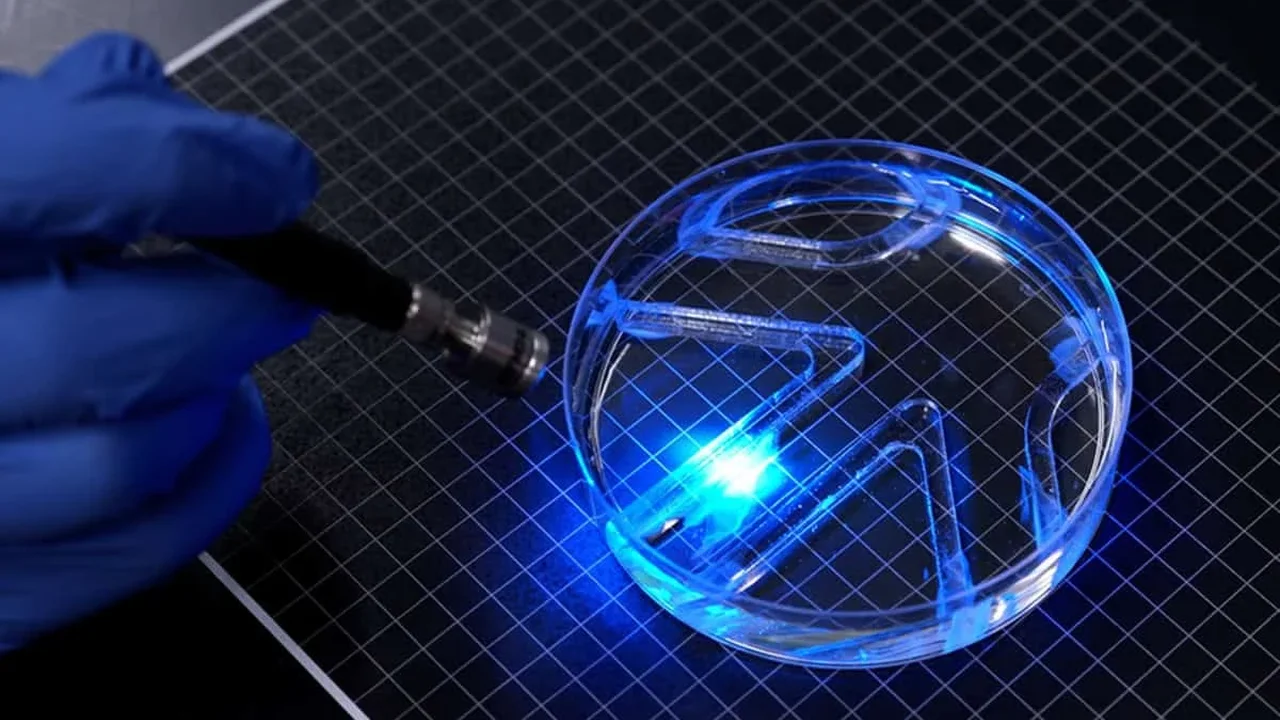
Researchers at MIT have transformed engineered bacteria into functional transistor-like parts, creating a new kind of living circuit board that computes through chemical signals instead of electricity.
In a study published in Nature Chemical Biology, the team used just five bacterial strains to build reusable logic components. Two strains acted like biological transistors, while three others served as relays that passed information from one colony to the next.
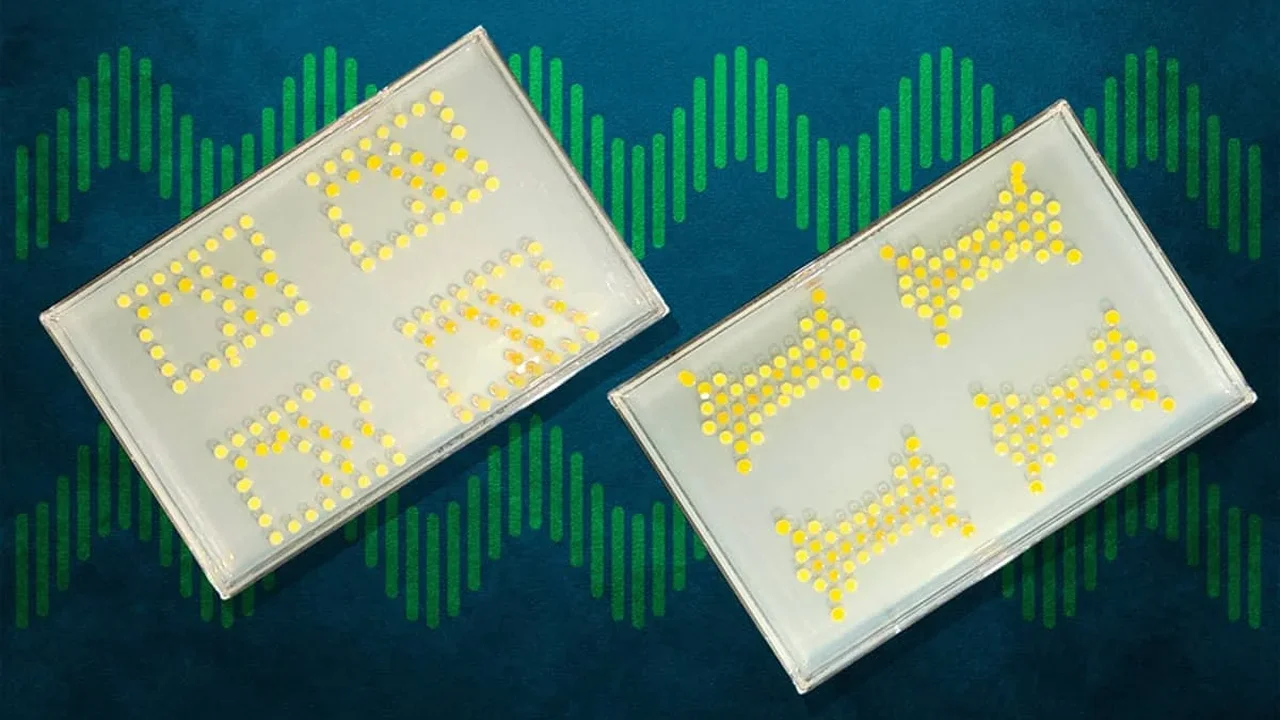
The system works with molecules bacteria already use to communicate. One signal enters, another acts as a switch, and a third becomes the output. By changing how the colonies are arranged on agar, the researchers could redesign the computation without rewriting the bacteria's genetic program.
Flexible biology, programmable logic
The most notable advance is modularity. Instead of building a separate genetic circuit for every task, the team created a small set of biological building blocks that can be rearranged into different functions. Using that approach, they demonstrated a demultiplexer, a half-adder, and a full adder.
The full adder, built from 24 colonies, was especially striking because it still produced the correct final result even when some internal states behaved imperfectly. That kind of tolerance could be valuable in environments where electronics are less practical, such as soil or living tissue.
Speed remains the main limitation. A signal can take hours to move through the system, and the circuits are only stable for a few days before growth, diffusion, and signal buildup become difficult to control. Even so, the concept points toward a future where computation can be embedded directly into biological systems.
MIT researchers say the long-term promise is not to replace conventional computers, but to give plants and microbes a way to process information locally. In that vision, living materials could one day sense conditions, make decisions, and respond in real time to their surroundings, opening a new frontier for adaptive biology.