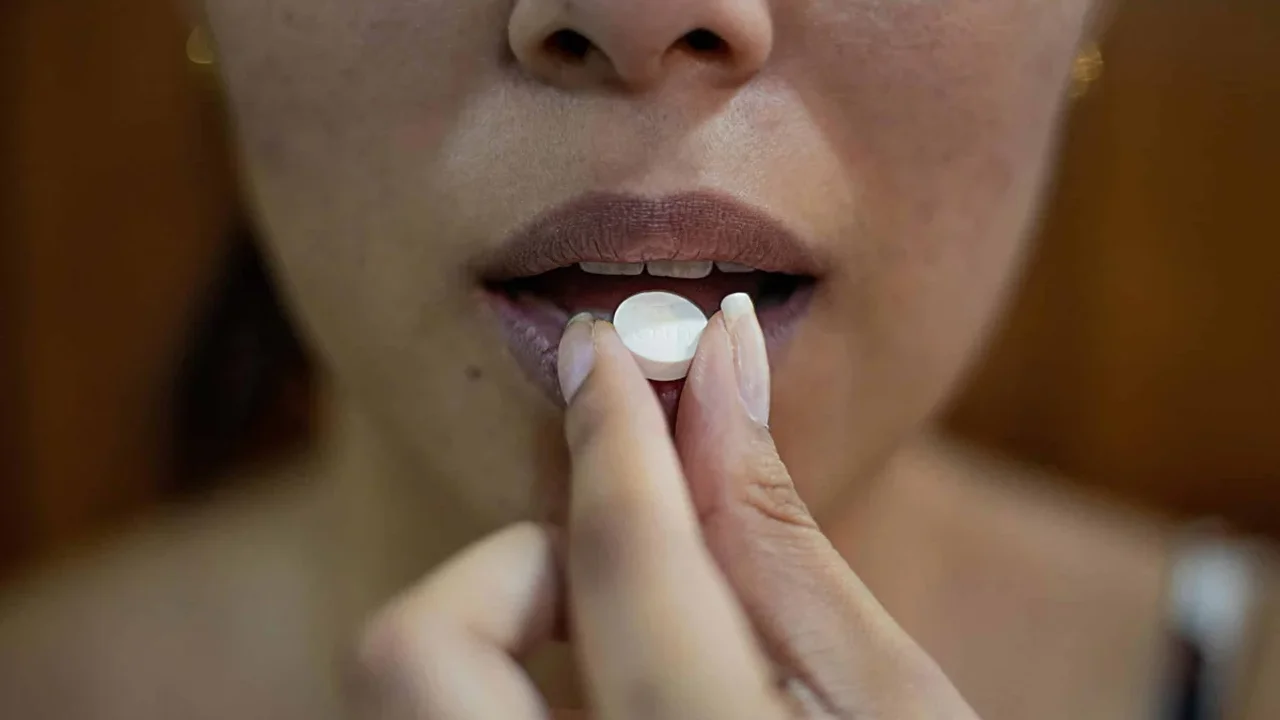
Researchers at MIT have developed a paper-like, bioresorbable battery designed to power swallowable medical electronics before gradually breaking down inside the body.
The compact energy system is intended for a new generation of ingestible devices that could track treatments, monitor digestive health or provide targeted electrical stimulation. Unlike conventional batteries, it is engineered to deliver temporary power without leaving a permanent component behind.
A biodegradable power source
The battery combines magnesium and molybdenum trioxide electrodes with a biodegradable gel that enables electrical charge to move through the device. Its paper-inspired structure also includes cellulose, a plant-based material chosen for its compatibility with bioresorbable designs.
In laboratory testing, a protective wax layer helped the battery maintain operation for roughly three days. Afterward, the materials were designed to gradually degrade over the following weeks. The system can generate up to 1.84 volts, sufficient for small medical electronics.
Tested in ingestible devices
In animal studies involving pigs, the battery powered a capsule equipped with an RFID tracking component. The device sent a signal to an external reader from approximately 1.5 metres away, demonstrating a possible route for confirming that an ingestible treatment has entered the digestive tract.
The team also integrated the battery into a capsule that delivered controlled electrical stimulation to the stomach. During tests, 20 minutes of stimulation was associated with an increase of up to 50% in ghrelin, a hormone linked to appetite regulation. This approach may eventually support research into treatments for people with clinically significant appetite loss.
The technology remains at an early stage. Although the battery itself is designed to be absorbed, some of the electronic components used in the prototypes are not yet fully biodegradable. Further studies will be needed to evaluate safety, reliability and performance in people.
Published in Nature Chemical Engineering, the work points toward medical devices that can perform a focused task inside the body and then fade away. In the future, bioresorbable power systems could help make smart pills more practical, less invasive and more precisely tailored to individual care.