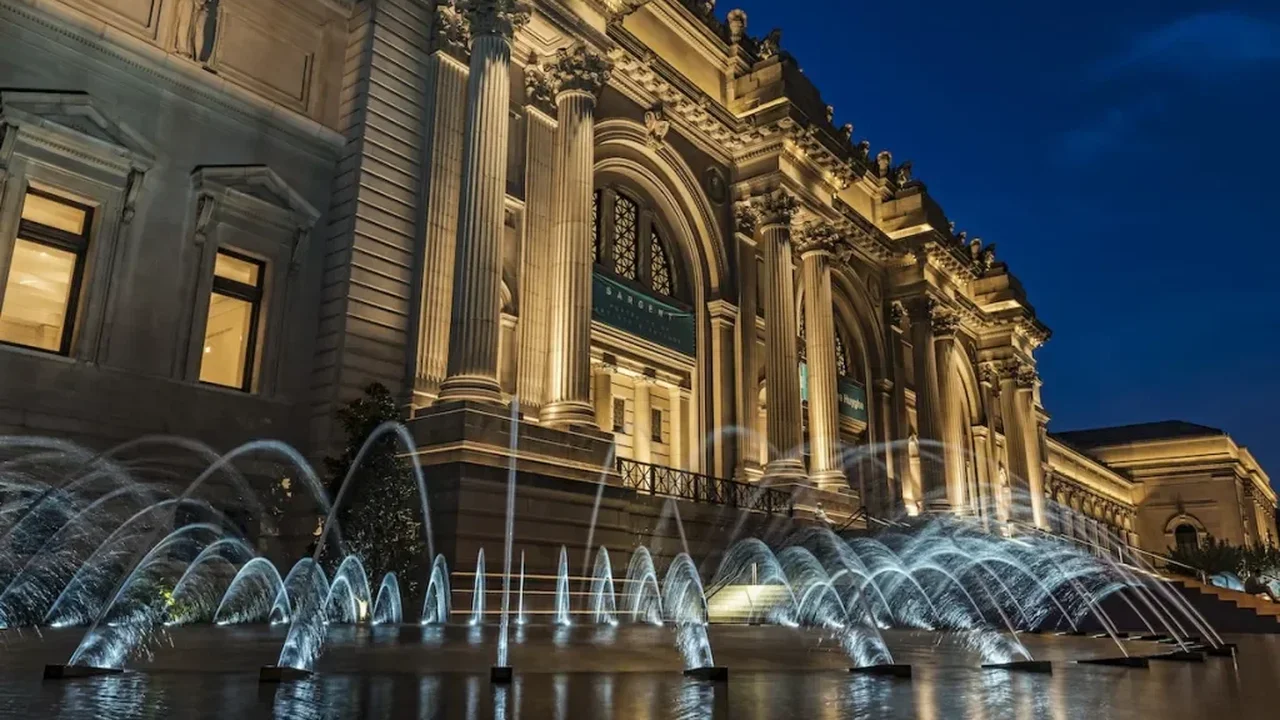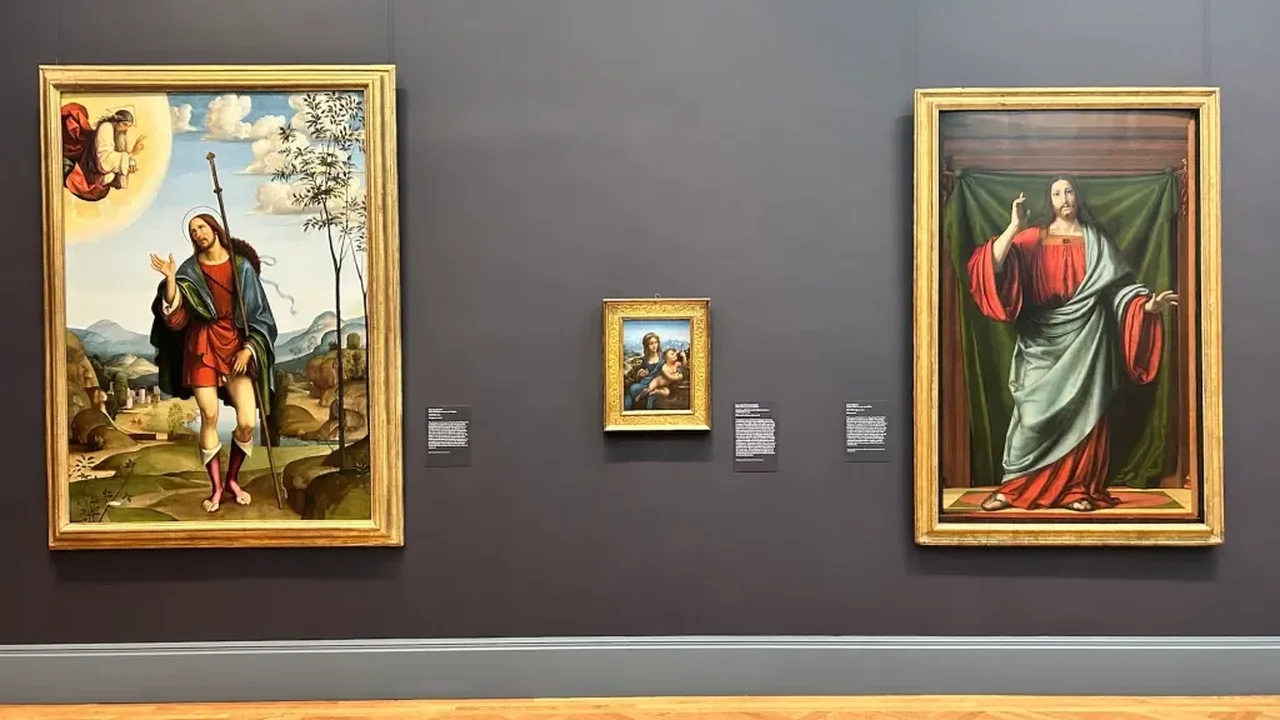
New York's Metropolitan Museum of Art has discreetly added a rare Leonardo da Vinci painting to its European paintings galleries this spring, drawing fresh attention from the art world. The work, Madonna of the Yarnwinder, is shown in Gallery 609 on the museum's second floor, placed among larger Renaissance canvases.
The panel, attributed on the wall label to Leonardo and his studio, comes from the collection of investor and major art collector Kenneth C. Griffin. Also known as the Lansdowne Madonna, the painting was first recorded in the 19th century and is believed to have been made for Florimond Robertet, a French court official.
Measuring about 20 inches high, the composition shows the Virgin and Child with a yarnwinder, a symbolic object that alludes to the Crucifixion. Scholars have long discussed the work's authorship and place in Leonardo's practice, with some describing it as a studio work shaped under the master's direction. Technical study has also suggested that Leonardo underdrawings are present, reinforcing its complex origins.
The painting has appeared in major exhibitions before, including presentations in Chicago and at the Louvre, and it remains one of the most discussed versions of the subject. Its presence at the Met is notable because Leonardo paintings are rarely seen in North America, making this quiet loan a significant museum moment.
For visitors, the display offers a close look at how Renaissance ideas of symbolism, composition, and movement were transformed into enduring visual language. In the years ahead, such loans may help museums broaden public access to masterworks while deepening scholarship around their histories.