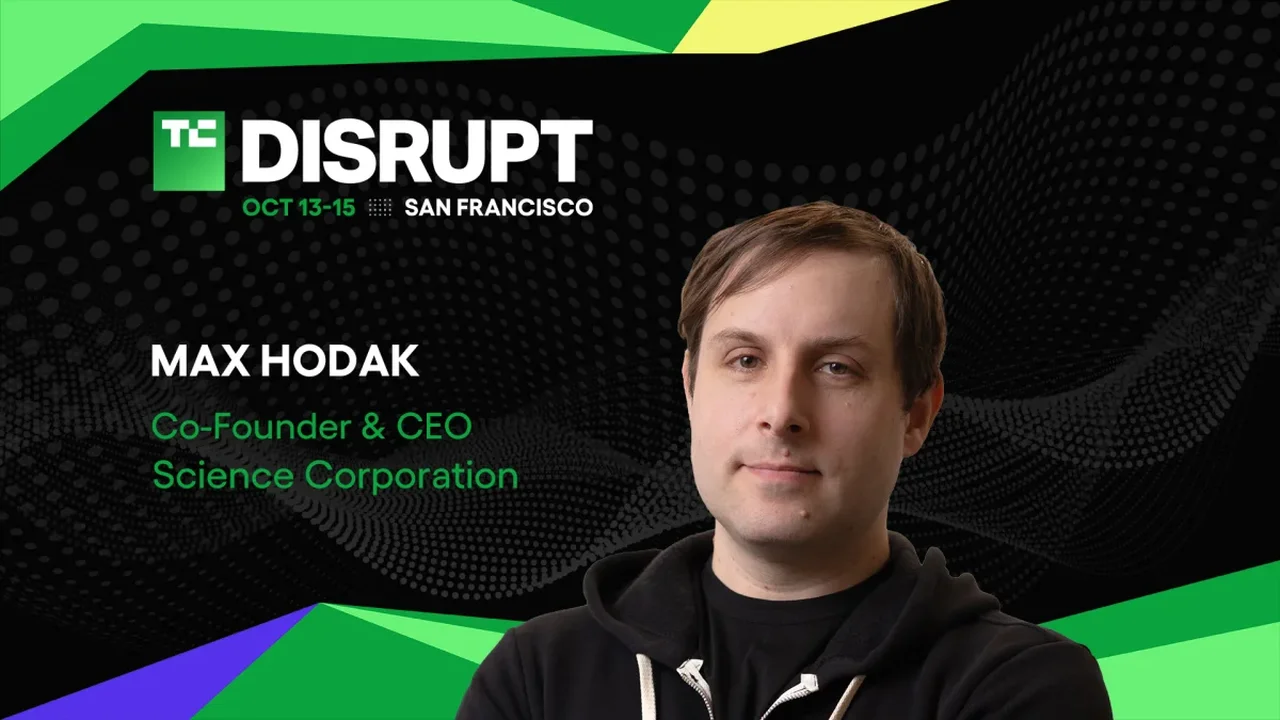
Science Corporation, the innovative startup founded by Max Hodak, former president of Neuralink, is gearing up for its inaugural human trials of a biohybrid brain-computer interface. The company has enlisted renowned neurobiologist Dr. Murat Günel from Yale Medical School to spearhead this groundbreaking initiative.
After two years of discussions, Dr. Günel's mission is to implant the first sensor designed to merge lab-grown neurons with electronics into a patient's brain. This ambitious project aims to create a seamless communication pathway between the human brain and technology.
Founded in 2021, Science recently completed a remarkable $230 million Series C funding round, elevating its valuation to $1.5 billion. The company's flagship product, PRIMA, aims to restore vision for individuals suffering from blindness due to macular degeneration, with plans for broader availability in Europe pending regulatory approval.
Hodak envisions a future where reliable communication links between computers and the human brain not only treat neurological disorders but also enhance human capabilities, potentially introducing new senses. His journey reflects a commitment to this vision, from his early days in neuroscience to co-founding Neuralink alongside Elon Musk.
While organizations like Neuralink have made strides in using electronic sensors to interpret brain activity in patients with conditions such as ALS and spinal injuries, the path to commercial viability remains complex due to regulatory hurdles and limited patient populations. Hodak believes that traditional methods using metal probes are inadequate, as they can inflict damage that hampers device performance over time. Dr. Günel emphasizes the brilliance of developing a biological interface that utilizes natural neural connections.
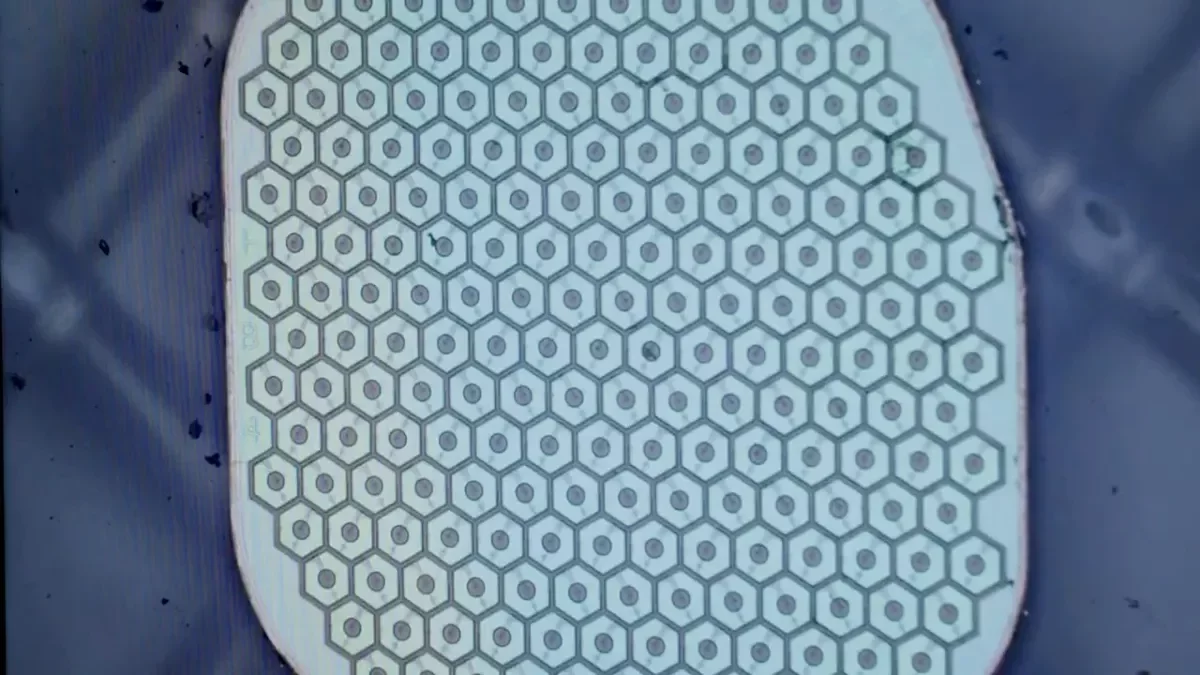
Science's biohybrid sensor, developed under the guidance of co-founder and chief science officer Alan Mardinly, will incorporate lab-grown neurons that can be stimulated by light. This approach aims to create a harmonious integration with the brain's own neurons, paving the way for a novel interface between biology and technology.
As the team prepares for human clinical trials, they are currently focusing on prototypes and the cultivation of neuron cells for various therapeutic uses. Dr. Günel will provide guidance while engaging with medical ethics boards to oversee the trials. The initial phase will involve testing the sensor, devoid of embedded neurons, within a living human brain.
Distinct from Neuralink's approach, Science's sensor will be positioned atop the brain rather than being embedded within it, which the company argues minimizes risk and eliminates the need for FDA approval for these trials. The strategy involves selecting patients who require significant brain surgery, such as those recovering from strokes, to evaluate the sensor's safety and effectiveness in monitoring brain activity.
Dr. Günel envisions that if successful, this device could address various neurological disorders, potentially offering gentle electrical stimulation to promote healing in damaged brain or spinal cord cells. More complex applications could involve monitoring brain activity in patients with tumors and providing timely alerts for seizures.
Looking ahead, the potential of these devices could revolutionize treatments for conditions like Parkinson's disease, which currently lacks effective solutions. By integrating biological and electronic systems, there is hope that this innovative approach could halt disease progression and enhance patient outcomes.
While optimism surrounds the project, Dr. Günel acknowledges the extensive work ahead, suggesting that clinical trials may not commence until 2027.