Endless sit-ups are not the only route to a capable core. The hollow hold offers a focused bodyweight alternative designed to build the bracing strength that supports posture, movement control and full-body training.
A simple position with demanding control
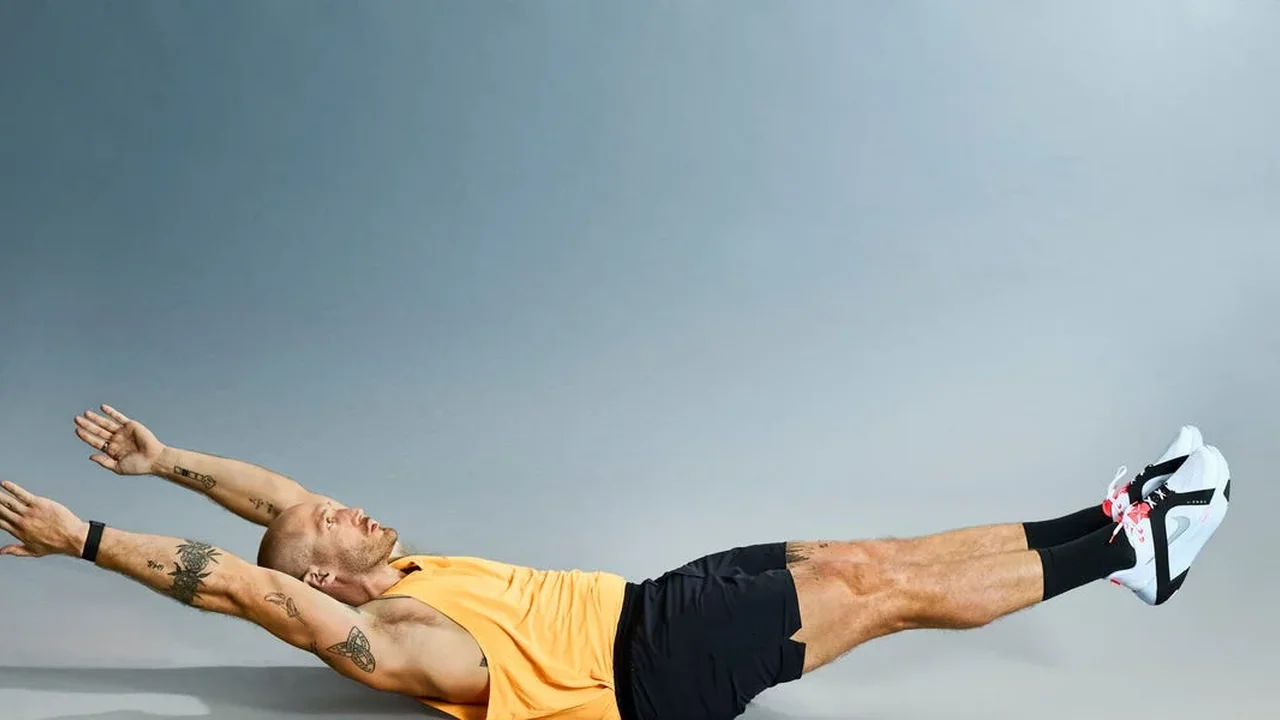
Begin lying on your back and actively press your lower back into the floor by tightening the abdominal muscles. Lift the feet slightly, raise the shoulder blades just off the ground and reach the arms overhead. The goal is to maintain this curved, tension-filled position without allowing the lower back to arch.
The movement works best when the ribs stay drawn in, the glutes remain engaged and the neck stays neutral. Rather than tucking the chin toward the chest, keep the gaze upward to preserve alignment and ensure the work remains centered in the core.
Why the hollow hold stands out
Unlike exercises based mainly on bending the torso, the hollow hold emphasizes core bracing: the ability to create and sustain tension while the body resists movement. This makes it a useful foundational drill for activities that demand stability, from strength training to gymnastics-inspired movement.
The exercise recruits the rectus abdominis, obliques, transverse abdominal muscles and lower-back stabilizers. Consistent practice can also reinforce a more aware relationship with posture during everyday movement.
Build up gradually
For a more accessible version, bend the knees and bring the arms forward. As control improves, lengthen the legs and extend the arms overhead. Quality matters more than duration: if the lower back lifts from the floor, reset the position before continuing.
A practical starting target is several short, controlled holds. With experience, athletes can progress toward three or four rounds lasting 45 to 60 seconds. More advanced options include adding a light weight, using uneven arm positions or incorporating gentle rocking while maintaining tension.
The hollow hold shows how a minimal-equipment exercise can support smarter movement habits, potentially making functional fitness more accessible in future training routines.