Newly unsealed court filings in The New York Times copyright case against OpenAI and Microsoft are bringing renewed attention to how generative AI systems obtain and use online content for training.
The filings include internal communications and company materials cited by the publisher, which argue that AI-driven answer tools may reduce visits to original news websites. Microsoft data referenced in the documents indicated that its Copilot answer engine generated substantially lower click-through rates to The New York Times than conventional Bing search results.
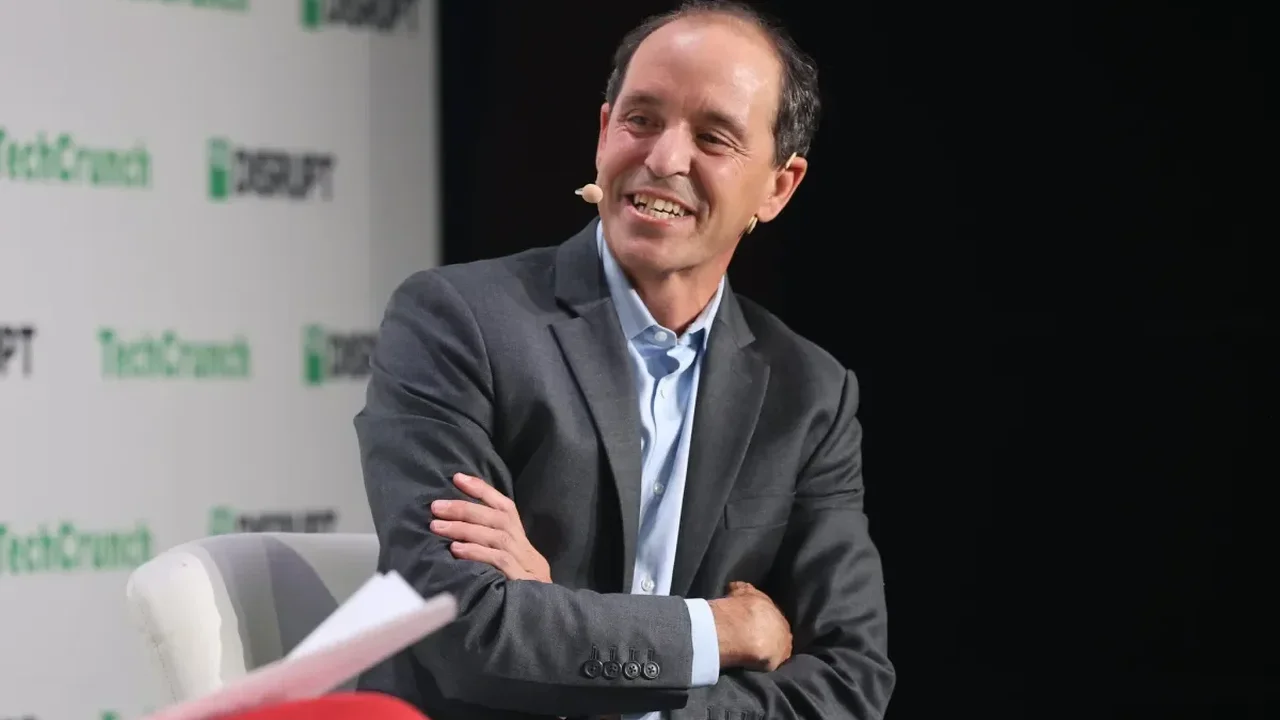
Microsoft's Director of Applied Science, Brent Hecht, reportedly described a potential feedback cycle in which fewer visits could weaken the wider web ecosystem that AI models depend on for information. The documents frame this relationship as a major challenge for the evolving digital content economy.
Licensing takes center stage
Microsoft CEO Satya Nadella said in testimony that paywalled content should be licensed when used for model training or grounding. The position highlights a growing industry discussion around clearer agreements between technology companies and publishers.
The filing also alleges that training datasets included large volumes of material from news organizations, including content collected through web-crawling systems and search indexes. It further claims that some data collection methods sought to access subscription-based articles and remove copyright notices before material entered training pipelines.
OpenAI leaders were also quoted in the filing as recognizing that advanced chatbots could increasingly serve as alternatives to visiting original information providers. The legal question of whether AI training qualifies as fair use, however, remains unresolved and will continue to shape the sector's standards.
As AI capabilities expand, the case reinforces the value of transparent datasets, content attribution and scalable licensing models. A more structured partnership between AI developers and publishers could help build an internet where innovation and original reporting advance together.