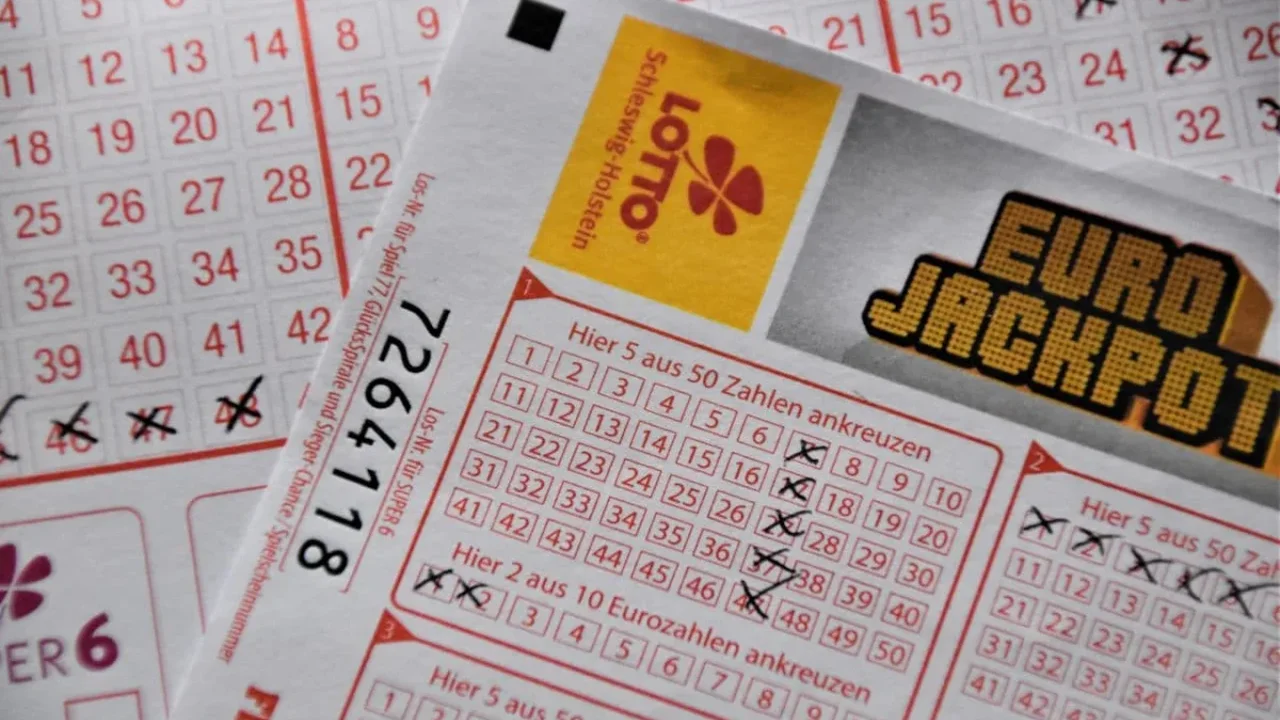
A sudden windfall may reshape more than someone's finances. A study of 76,859 Swedish lottery players found that the relationship between lottery winnings and family decisions differed by gender.
Researchers compared lottery participants who had similar odds but received different prizes, then examined government records on marriage, divorce and births. Their findings, published in the Journal of Human Resources, suggest that financial security can influence when people form families--and whether they remain in a marriage.
Different patterns after a win
For unmarried men, winning one million Swedish kronor was associated with a 4.7-percentage-point rise in the chance of marrying within five years--about a 30% increase relative to men who won little or nothing. The effect was strongest among men with below-average incomes before their win. Researchers found no statistically significant rise in marriage among women.
Among married women, the same-sized prize was linked to an increase in the probability of divorce within two years, from roughly 4% to nearly 8%. That difference was not statistically significant over a ten-year period. The short-term rise was concentrated among women with lower pre-win incomes. The researchers note that additional resources may make it easier to live independently, but the study cannot establish why individuals divorced.
Family size and wider context
Over ten years, male winners had around 14% more children per million kronor won--an average increase of about 0.056 children. The corresponding estimate for women was smaller and statistically uncertain. Across the full sample, the expected increase was modest: 0.033 children per million kronor.
The results reflect Sweden's particular social and economic context and may not apply equally elsewhere. They also show that financial gains are associated with changes in life choices, rather than proving that money alone determines relationship outcomes.
As researchers examine how economic security shapes family decisions, future studies may help clarify how financial circumstances influence the choices people feel able to make.