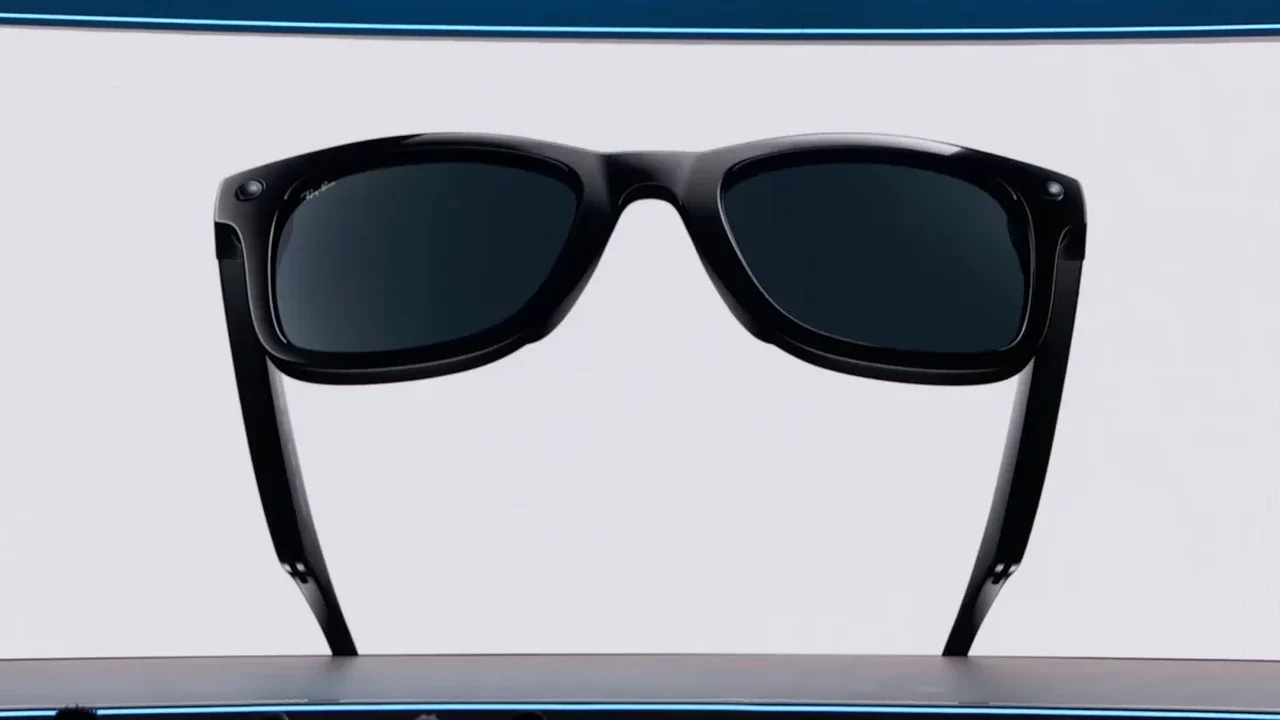
Pop star Lorde used her set at Madrid's Mad Cool Festival to question the growing appeal of AI-powered smart glasses, turning a live performance into a pointed cultural comment on wearable tech.
She told the audience that it is becoming harder to tell what is real in everyday life, especially when devices can look like ordinary sunglasses while quietly recording and processing data. Her remarks ended with a blunt verdict: the glasses are "not sexy."
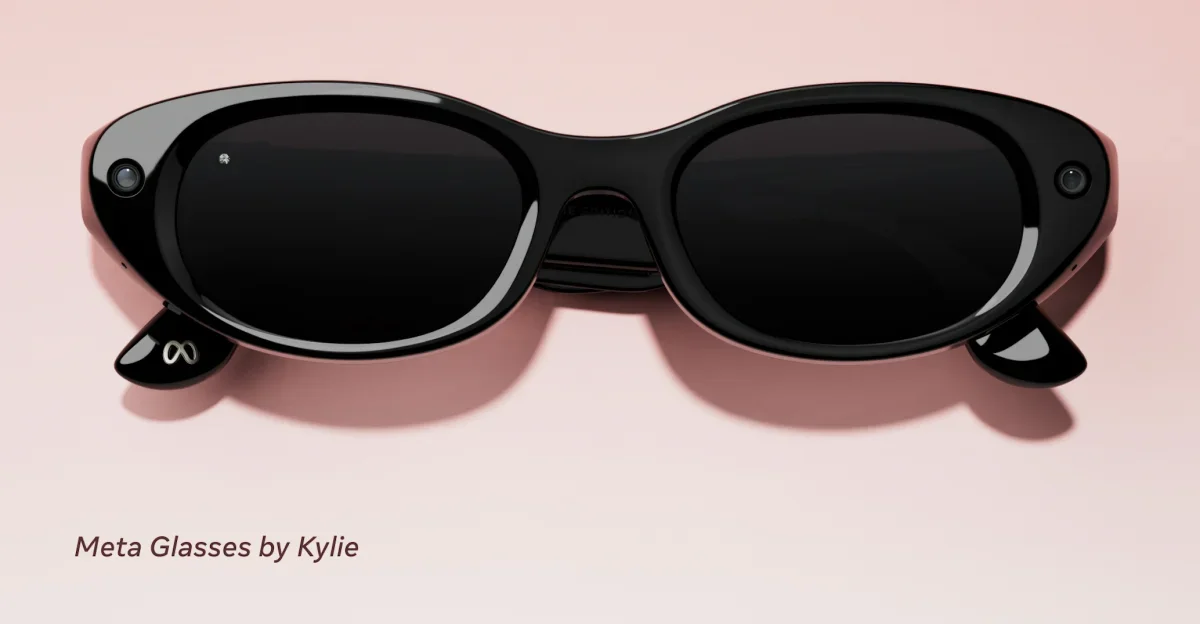
The conversation around smart glasses has expanded well beyond style. These devices combine cameras, AI features, and voice tools, which has made them one of the most debated products in consumer technology. Supporters see them as a step toward more seamless digital interaction, while critics continue to focus on privacy and social trust.
The category is also gaining momentum in the market. EssilorLuxottica, which makes Ray-Ban frames, has reported strong sales for Meta-branded smart glasses, showing that consumer interest remains high even as public debate intensifies.
Lorde's reaction reflects a broader cultural question: as wearables become more integrated into daily life, design, comfort, and transparency may matter just as much as technical power. The next wave of smart devices may be shaped not only by innovation, but by how naturally they fit into human spaces.