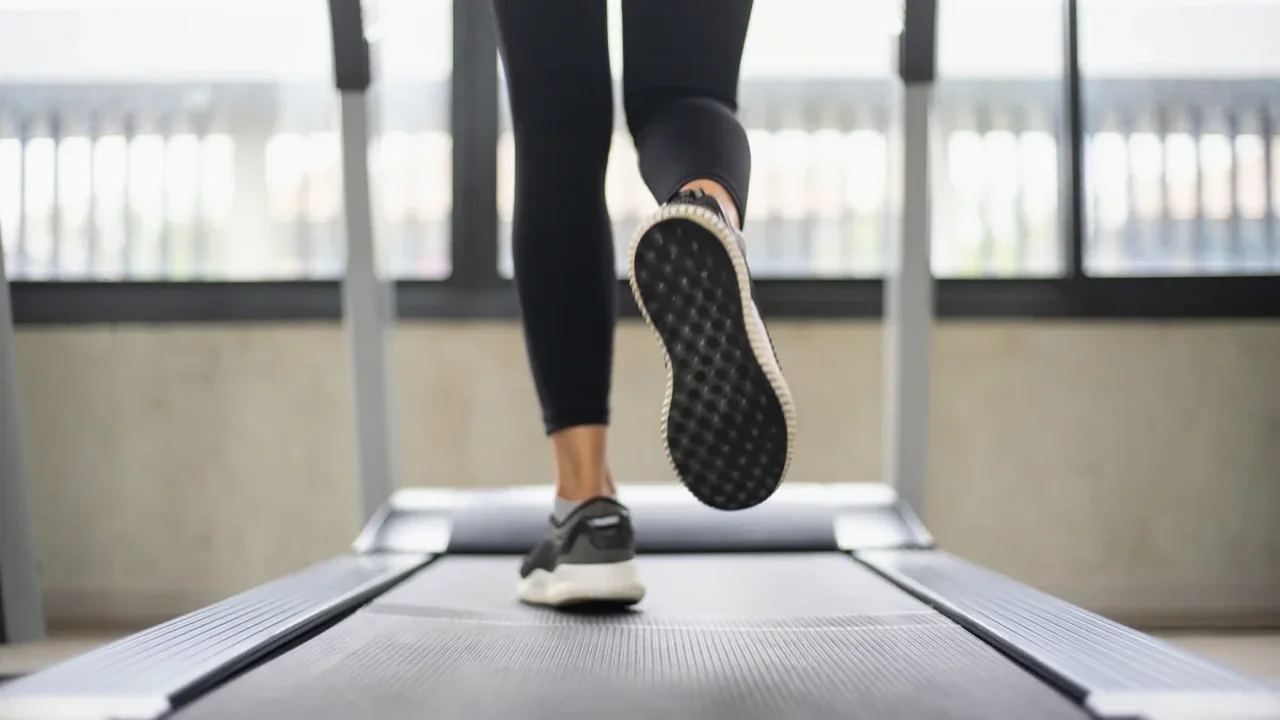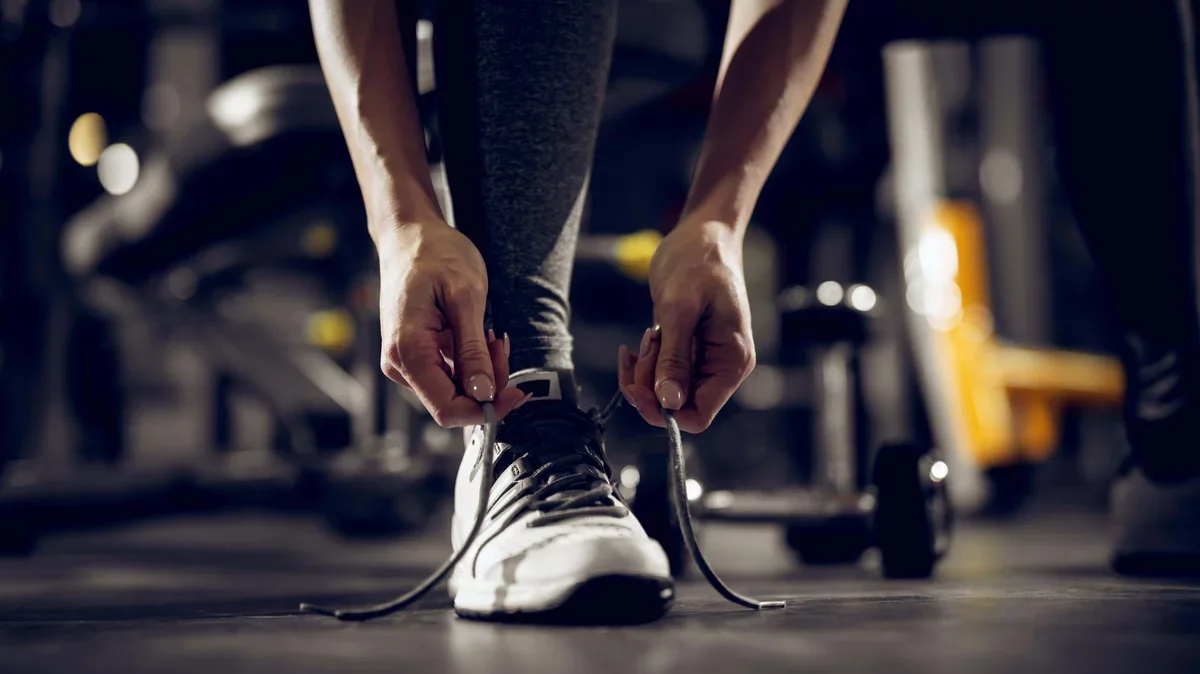
In the realm of fitness, the debate over the suitability of running shoes for weightlifting often sparks heated discussions. Many enthusiasts voice concerns about the potential risks associated with squatting or deadlifting while wearing cushioned sneakers. However, the reality might not be as dire as it seems.
Critics argue that running shoes introduce a soft foam layer beneath the foot, which is beneficial for running but could hinder stability during lifting. While it's true that a solid base is ideal for squats and deadlifts, the fear of injury from wearing sneakers may be exaggerated.
Understanding the Concerns
The prevalent advice against lifting in sneakers often stems from a culture of scrutinizing form and technique. New lifters, eager to offer guidance, may overlook the nuances of individual mobility and experience. Instead, they focus on footwear, leading to a cascade of unsolicited recommendations.
Though it's advisable to opt for shoes with firm soles for lifting, the notion that sneakers are detrimental to performance lacks substantial evidence. Observations in gyms reveal that many individuals successfully lift weights while wearing various types of footwear, including running shoes.
Making the Right Footwear Choices
For those looking to enhance their lifting experience, here are some recommended options:
- Weightlifting shoes: Designed with a solid sole and elevated heel, these provide optimal support for squats.
- Flat-soled shoes: Options like Converse or Vans offer a stable base for lifting and are versatile for gym use.
- Going barefoot: While some gyms discourage it, lifting in socks can be a viable alternative.
Ultimately, while lifting in sneakers may not be the top choice, it certainly won't derail your progress. Many lifters have thrived in less-than-ideal footwear, proving that dedication and technique are far more crucial than shoe selection.