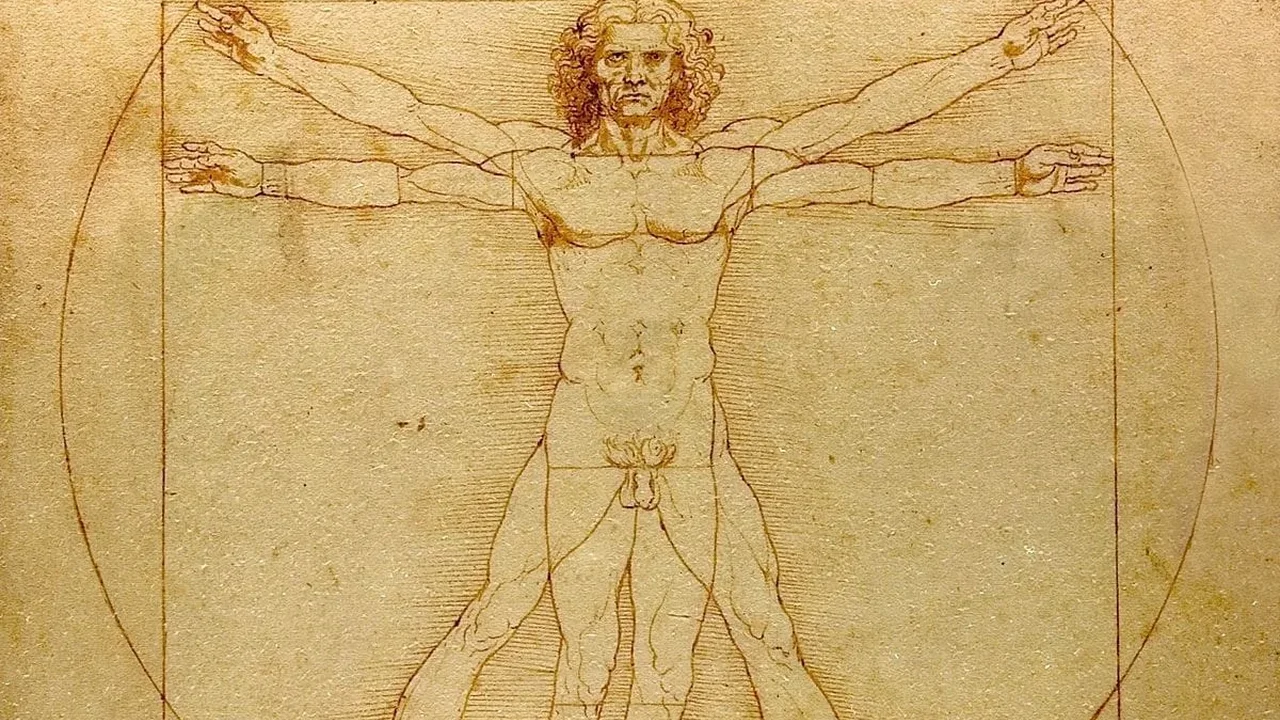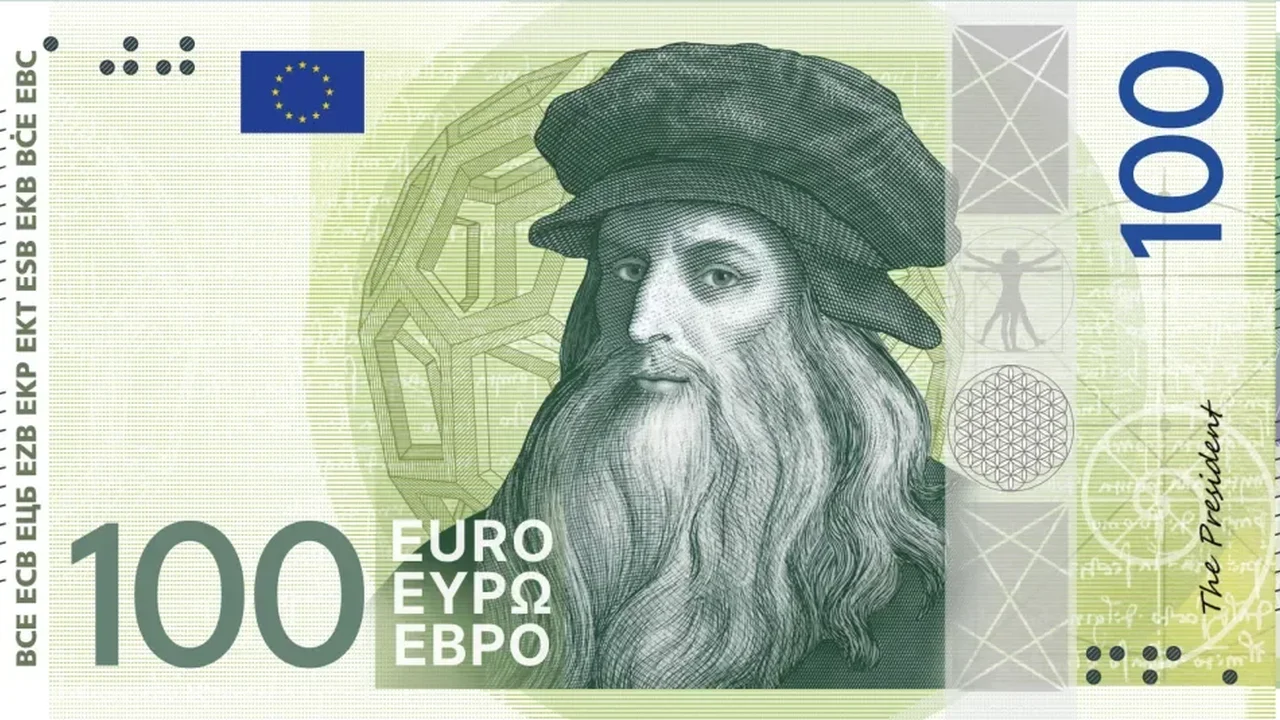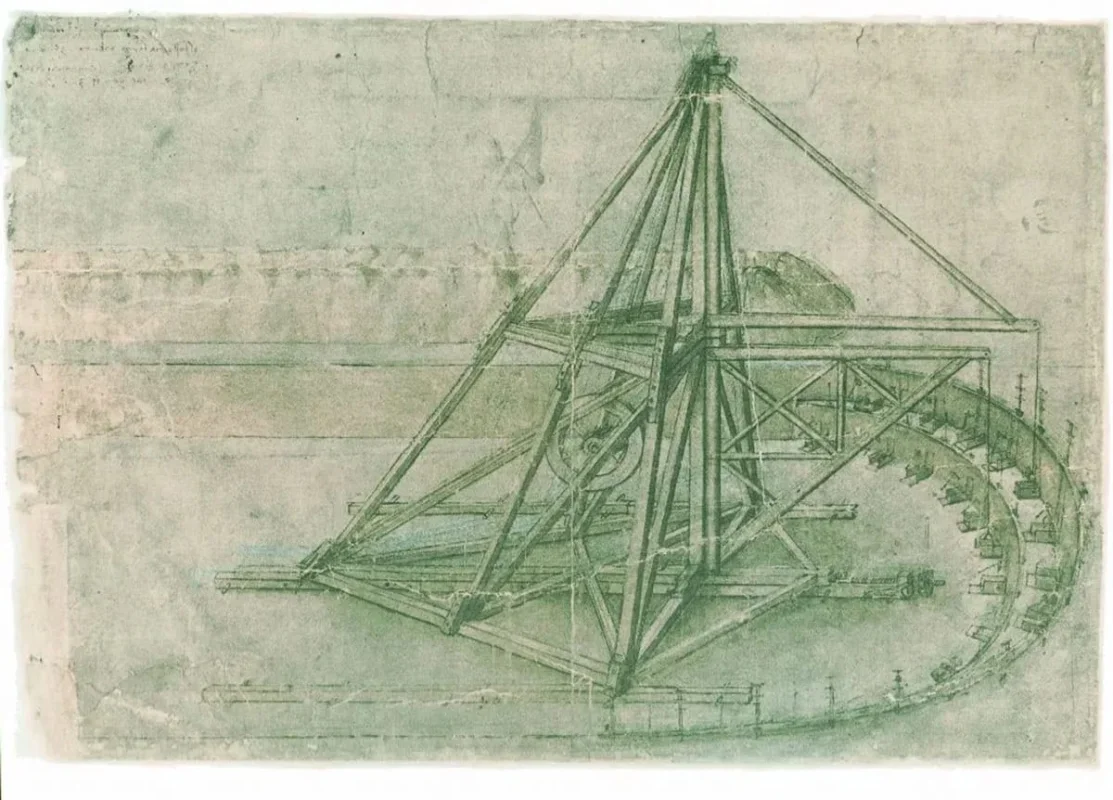
For over four centuries, the extensive notes of the legendary artist and scientist Leonardo da Vinci have been fragmented. In the late 1500s, sculptor Pompeo Leoni disassembled da Vinci's manuscripts, cutting and rearranging pages into separate collections. This division separated technical writings from artistic sketches, impacting how future generations perceived his work.
Now, a significant milestone has been achieved as two of the most prominent collections of da Vinci's writings have been digitally reunited for the first time. The Museo Galileo in Florence has unveiled Leonardotheka, an innovative online platform that consolidates the 1,119 sheets of the Codex Atlanticus from the Veneranda Biblioteca Ambrosiana in Milan and approximately 550 sheets from the Royal Collection at Windsor.
This digital initiative, developed over a decade in collaboration with various institutions, offers scholars and the public a unique opportunity to explore and analyze around 3,500 pages of da Vinci's work. The platform allows users to search, compare, and reconstruct his manuscripts, fostering a deeper understanding of the interconnectedness of his artistic and scientific pursuits.
Reassembling da Vinci's Legacy
Leonardo, born in 1452, produced thousands of pages filled with diagrams, observations, and designs before his passing in 1519. His manuscripts encompass a wide range of subjects, from flying machines to intricate anatomical studies, reflecting his belief that art and science are interdependent.
After Leonardo's death, his last pupil, Francesco Melzi, inherited the manuscripts, which eventually came into Leoni's possession. Leoni's reorganization into two separate albums led to a misleading separation of da Vinci's identity as both an artist and an engineer. Leonardotheka now bridges this gap by creating a cohesive, searchable archive of his work.
Professor Paolo Galluzzi, president emeritus of Museo Galileo, stated, "Leonardotheka provides scholars worldwide with unprecedented opportunities to delve into the vast wealth of information within Leonardo da Vinci's manuscripts." This platform signifies the dawn of a new era for research into da Vinci's multifaceted legacy.
A Digital Restoration
As part of this initiative, researchers have digitally reconstructed at least 50 pages of Leonardo's manuscripts by matching fragments from different collections. This forensic approach has allowed scholars to reunite various works, such as a drawing of a horse alongside Leonardo's reflections on classical equestrian monuments.
Leonardotheka not only serves as a repository of knowledge but also as a navigable research environment that connects users with scholarly resources. It represents a significant step in the digital humanities, emphasizing the importance of cultural institutions maintaining control over their digital heritage.
In an age where digital technology is rapidly advancing, this project exemplifies how scholarly institutions can shape the tools necessary for exploring and understanding our shared cultural heritage. As we continue to explore Leonardo's work, the future may hold even greater insights into the genius of this remarkable figure.