Throughout history, the human form has been a profound subject in art, with the nude body serving as a canvas for expression and cultural reflection. One of the earliest known artworks, the Paleolithic Venus of Willendorf, dating back between 24,000 and 22,000 B.C., exemplifies this fascination. This limestone figurine of a voluptuous woman highlights humanity's enduring connection to the nude form. As art evolved, so too did the representation of nudity, leading to groundbreaking works that challenged conventional norms. Here, we explore 13 pivotal pieces in Western art that redefined the perception of the nude.
Sandro Botticelli, Birth of Venus, 1485-1486
In the Renaissance era, full-length nudes were often associated with negative themes. However, Botticelli's iconic painting depicts Venus emerging from the sea, embracing her beauty with modesty and confidence, marking a significant shift in artistic representation.
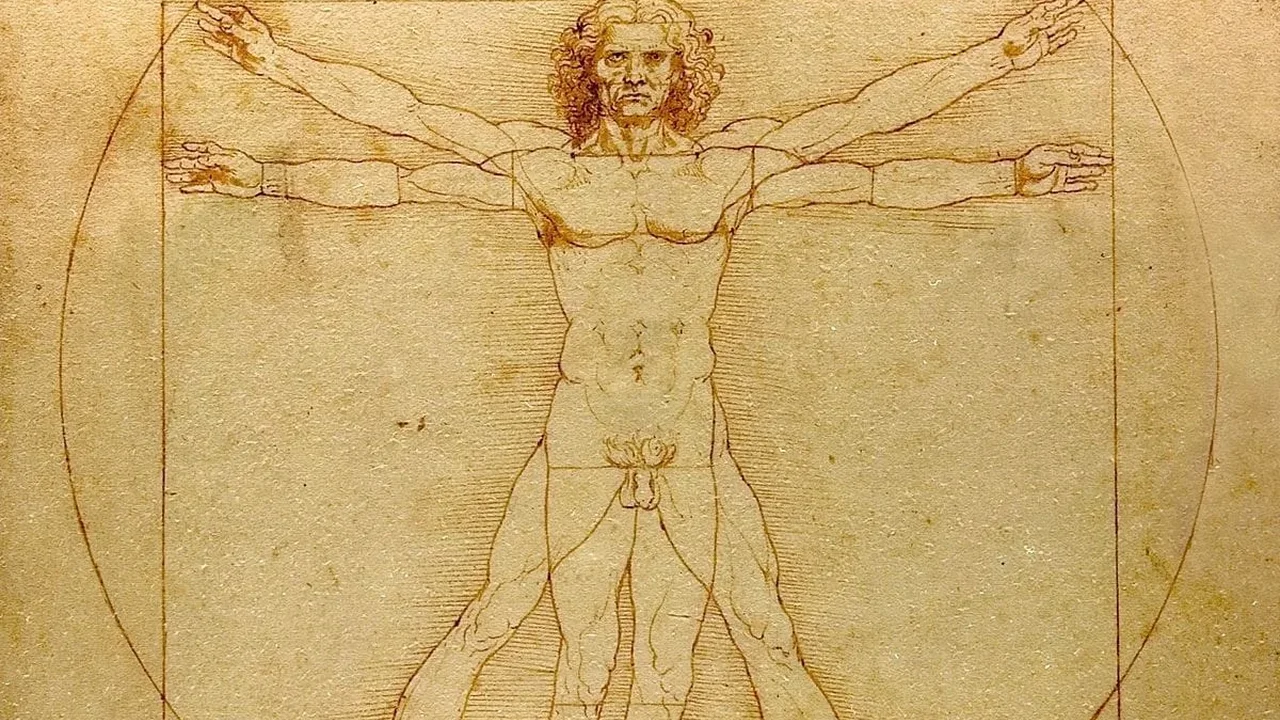
Leonardo da Vinci, Vitruvian Man, c. 1490
Da Vinci's Vitruvian Man combines art and science, illustrating human proportions based on ancient texts. This work emphasizes the harmony between the human body and mathematical principles, pushing the boundaries of artistic representation.
Lavinia Fontana, Minerva Dressing, 1613
As a pioneering female artist, Fontana broke societal norms by depicting the female nude in a professional context. Her work challenged the constraints on women artists, paving the way for future generations.
Édouard Manet, Olympia, 1863
Manet's Olympia transformed the classical nude into a contemporary figure, confronting viewers with a bold gaze that challenged traditional portrayals of women, thus reinterpreting the narrative of the female form.
Auguste Rodin, The Walking Man, modeled before 1900, cast before 1914
Rodin's fragmented sculpture broke away from conventional full-figure nudes, suggesting motion and vitality in a new artistic style that influenced modernist sculptures.
Paula Modersohn-Becker, Self-Portrait on Her Sixth Wedding Anniversary, 1906
Modersohn-Becker's self-portrait is notable for being the first known female nude self-portrait, empowering women artists by reclaiming their bodies from the male gaze.
Pablo Picasso, Les Demoiselles d'Avignon, 1907
This revolutionary work marked the dawn of Cubism, dismantling traditional beauty and perspective, and presenting the female form in a radically new light.
Marcel Duchamp, Nude Descending a Staircase No. 2, 1912
Duchamp's innovative approach fragmented the nude into geometric forms, merging art with motion and challenging the very definition of the nude in art.
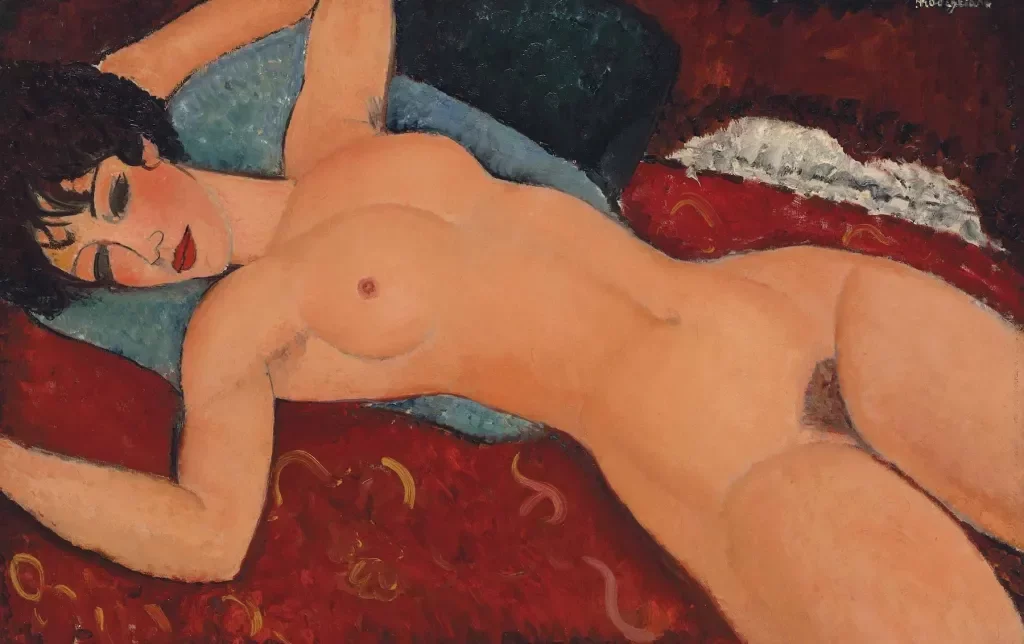
Amedeo Modigliani, Reclining Nude, 1917
Modigliani's nudes exude raw sensuality, defying the norms of his time with their unabashed portrayal of the female body, leading to controversy upon their release.
Hannah Höch, Monument II: Vanity, 1926
Höch's photomontage critiques societal standards of beauty, merging different cultural elements to question the objectification of women in art.
Yves Klein, Anthropometry, 1962
In a performance-driven approach, Klein utilized the nude female body as a tool for creating art, reflecting on the relationship between body and canvas in an innovative manner.
Ana Mendieta, Untitled: Silueta Series, 1979
Mendieta's earth-body works connect the female form with nature, expressing personal identity and cultural displacement through her body imprints.
Mickalene Thomas, A Little Taste Outside of Love, 2007
Thomas's vibrant portrayal of the Black queer nude challenges traditional beauty standards, celebrating feminine power and identity within contemporary art.
These transformative artworks not only reflect the evolution of artistic techniques and societal norms but also inspire future generations to explore the human form in innovative and meaningful ways.