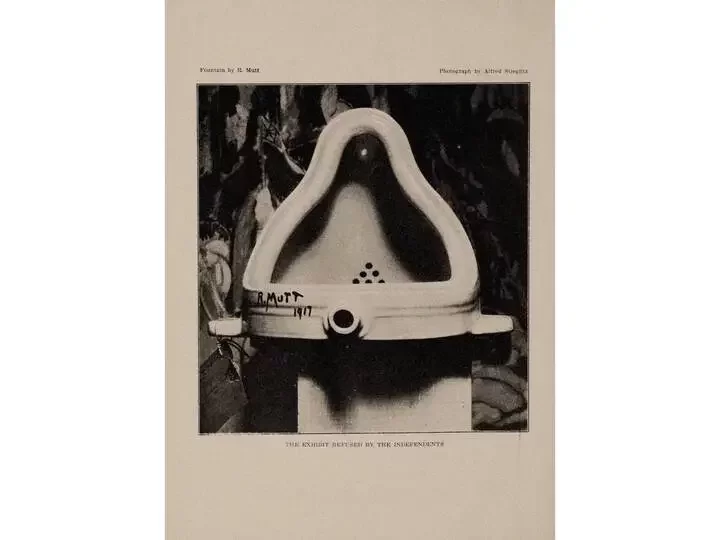
What defines a work of art? Is it the brush strokes on a canvas or the chisel marks on marble? For Marcel Duchamp (1887-1968), the answer was refreshingly simple: anything can be considered art if an artist chooses to label it as such. He famously proclaimed that an "ordinary object" could be transformed into a masterpiece by the artist's mere selection. This radical idea became evident through his groundbreaking Readymades, which marked a pivotal shift in 20th-century art.
Between 1913 and 1923, Duchamp created his Readymades--everyday mass-produced items, either displayed alone or in combinations. His inaugural Readymade combined a bicycle wheel with a stool, allowing the wheel to spin freely. He later acquired a bottle-drying rack from a Parisian department store, affectionately nicknamed hérisson due to its spiky form.
Interestingly, Duchamp initially regarded these objects as playful distractions rather than art. He enjoyed observing the bicycle wheel as one might enjoy watching flames dance in a fireplace, and he left the bottle rack untouched. It wasn't until a trip to New York in 1915, prompted by World War I, that he coined the term Readymade. His experiences in the vibrant, classless environment of New York ignited a realization that art could have no boundaries.
In a letter to his sister, he noted his intention to treat various objects as Readymades, signing them and adding inscriptions. However, his sister accidentally discarded the bottle rack and bicycle wheel while cleaning his studio. Duchamp's playful yet profound approach culminated in works like a snow shovel inscribed with "In Advance of the Broken Arm," meant to challenge conventional interpretations of art.
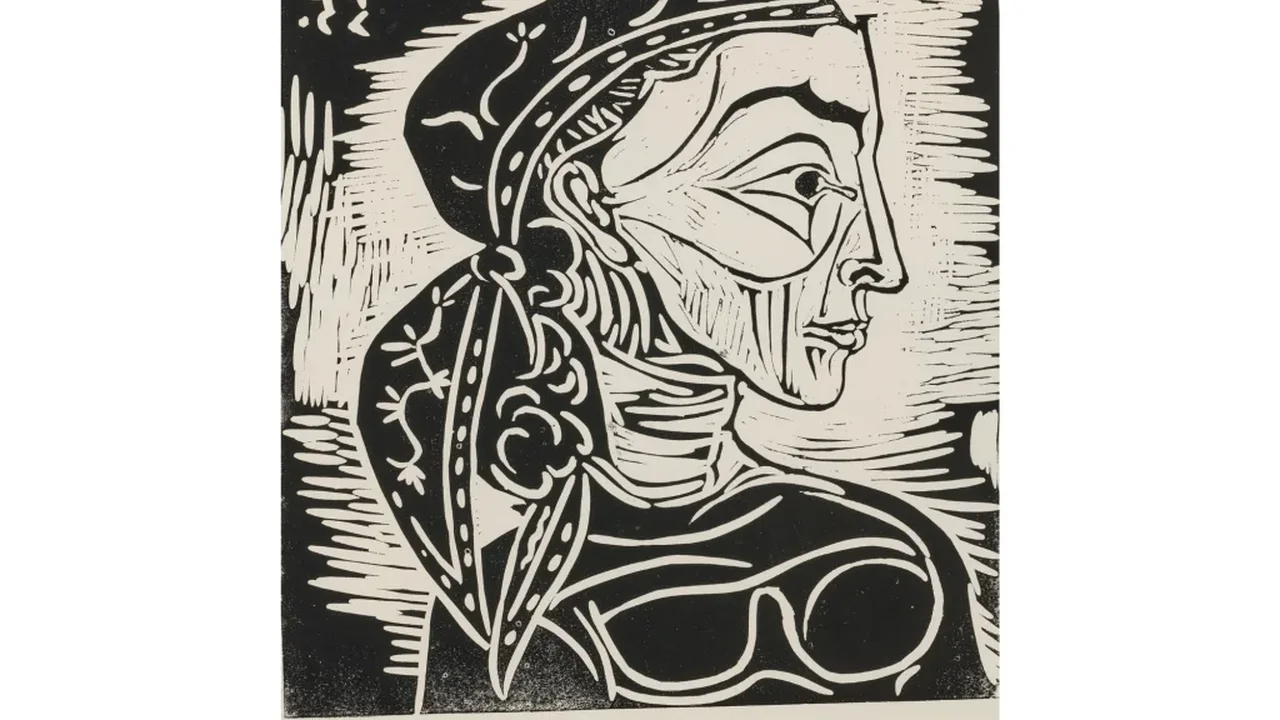
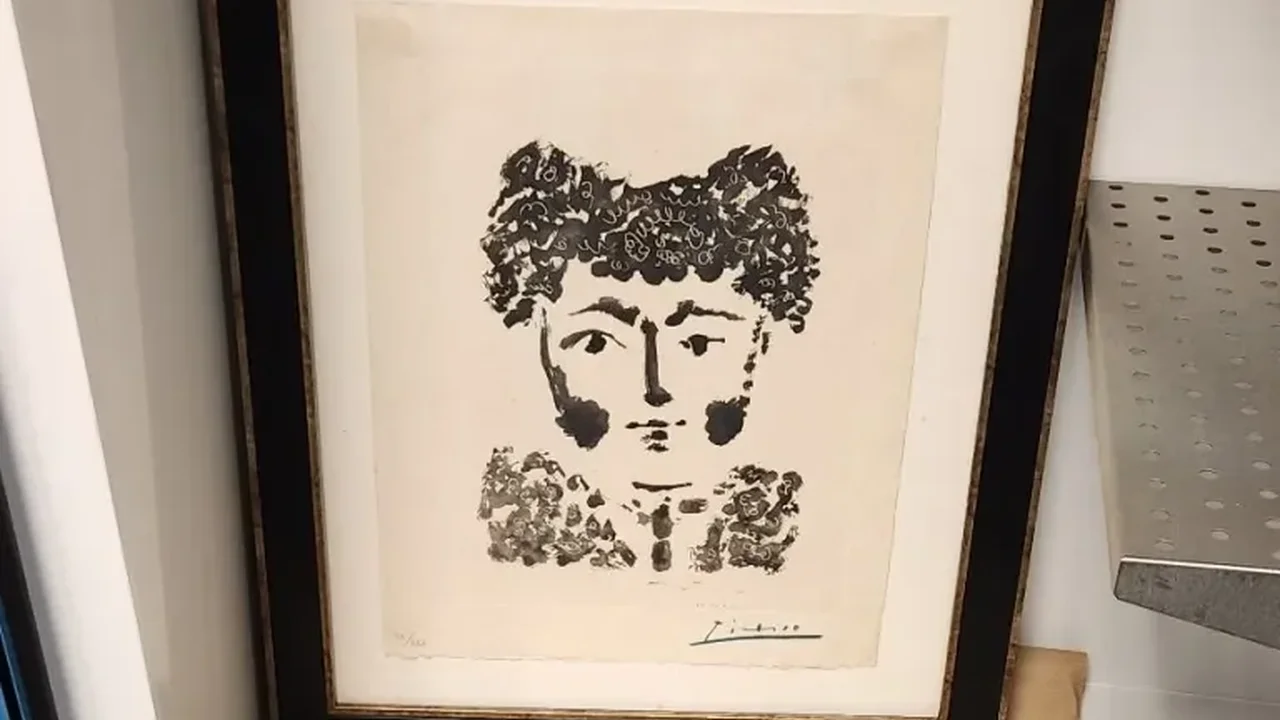
Contrary to traditional artistic practices, Duchamp's Readymades were chosen for their visual indifference, a stark contrast to the more representational roles of objects in the works of contemporaries like Georges Braque and Pablo Picasso. Duchamp's intent was to question the very essence of art, stripping items of their functionality to provoke thought and discussion.
His collection expanded to include items like Traveler's Folding Item and Hat Rack, each selected for their mundane utility yet transformed into art through Duchamp's intervention. Notably, he also created pieces in collaboration with his benefactor Walter Arensberg, including the infamous Fountain, an upside-down urinal that sparked intense debate about artistic freedom and definition.
Duchamp's Readymades were not merely art objects; they were a commentary on the rapid industrialization and changing perceptions of art in society. They challenged the notion of permanence in art, a question that resonates even in today's age of artificial intelligence and mass production. As we navigate a world increasingly influenced by technology, Duchamp's legacy continues to inspire artists to redefine creativity and challenge the status quo.