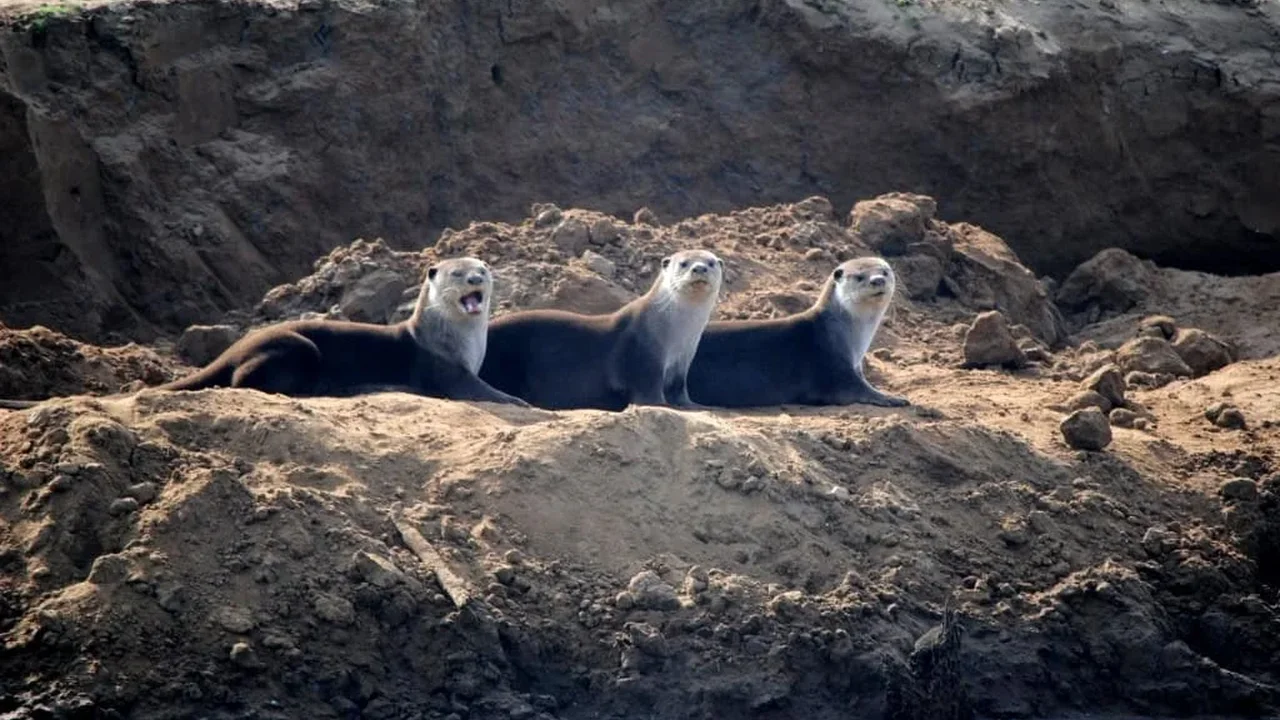
Smooth-coated otters are increasingly appearing along the Klang River in Kuala Lumpur, drawing attention to a waterway that has undergone years of cleanup. Their presence offers an encouraging sign of improving conditions, though researchers still know little about the animals' numbers and movements in the city.
Once rated Class 5--the most polluted category in Malaysia's river classification--the Klang has improved to Class 3, meaning it is moderately polluted. Wildlife ecologist Woo Chee Yoong says otters depend on fish, so their appearance can point to a river system that supports aquatic life. The species is listed as vulnerable by the International Union for Conservation of Nature.
Building a clearer picture
Woo co-founded the Malaysian Otter Network in 2020. The group hopes to establish a citizen-science program where residents can report sightings, helping build knowledge about how the otters use the city's waterways.
Cleanup efforts along the river have included waste traps and solar-powered systems that collect rubbish. Conservation advocates say the next step is to prevent more waste from entering the water and restore natural riverbanks where possible. Vegetation and sheltered spaces could also provide habitat for otters.
The Klang's recovery remains a work in progress, but these urban sightings are renewing public interest in the river. Continued monitoring and restoration could help make its waters healthier for wildlife and nearby communities--and shape a more nature-friendly future for the city.