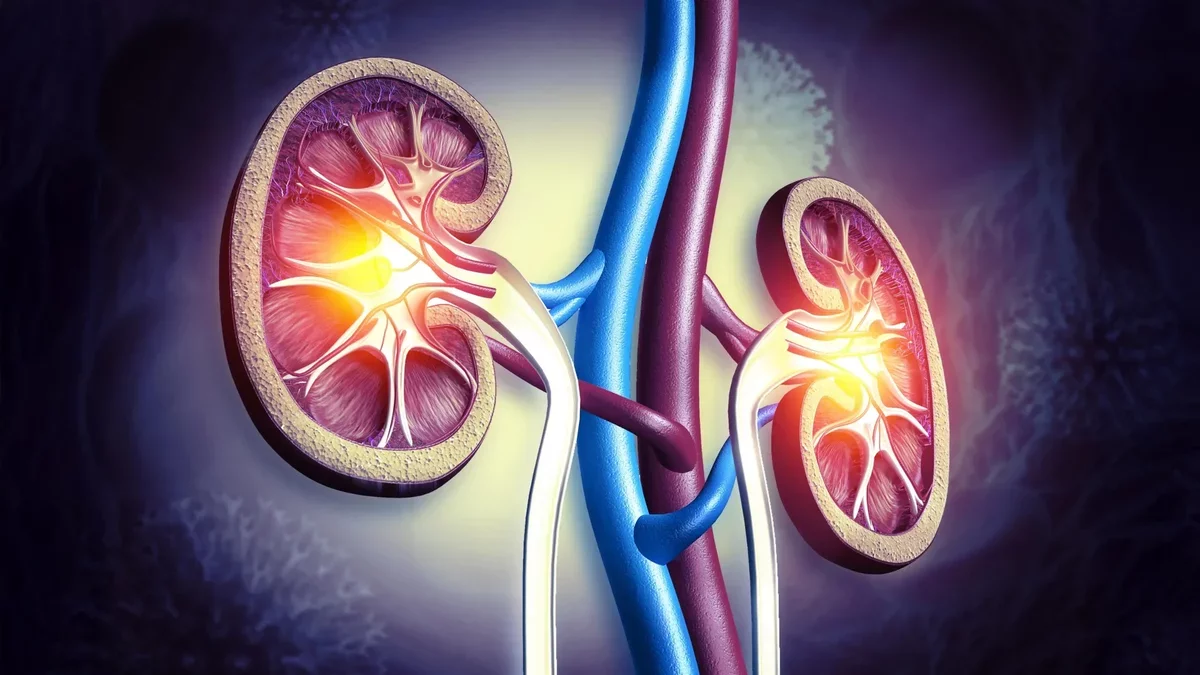
Recent research highlights the potential of a medication known as finerenone in safeguarding kidney function, reducing cardiovascular risks, and enhancing survival rates among individuals with chronic kidney disease (CKD). This breakthrough extends beyond diabetic patients, reaching those with non-diabetic CKD and specific forms of glomerular disease.
These significant findings were shared at the European Renal Association Congress in Glasgow, UK, and concurrently published in three prestigious medical journals: The Lancet, The New England Journal of Medicine, and JAMA. Such simultaneous publication is a remarkable achievement in clinical research.
Finerenone's Expanding Role
Initially approved for treating CKD related to type 2 diabetes, finerenone is a non-steroidal mineralocorticoid receptor antagonist. Researchers are now exploring its efficacy across a broader spectrum of kidney diseases, as the excessive activation of mineralocorticoid receptors is known to contribute to inflammation and scarring in various kidney conditions.
To assess this potential, The George Institute for Global Health initiated a series of studies focusing on finerenone's impact on patients beyond those currently covered by its approval.
FIND-CKD Trial Demonstrates Efficacy
The FIND-CKD trial, spearheaded by Professor Hiddo Heerspink and Professor Vlado Perkovic from UNSW Sydney, involved 1,584 participants with non-diabetic CKD across 24 countries. Results indicated that patients receiving finerenone alongside standard treatment experienced a significantly slower decline in kidney function compared to those receiving standard care alone. Additionally, there was a 23% reduction in the combined risk of kidney failure, worsening CKD, heart failure, or cardiovascular death.
The findings from the FIND-CKD trial were published in The New England Journal of Medicine.
Positive Outcomes in Glomerular Diseases
A subsequent analysis led by Associate Professor Brendon Neuen, published in JAMA, concentrated on participants suffering from glomerular diseases. This analysis revealed that finerenone decreased the risk of kidney failure or CKD progression by 26% when compared to placebo, and reduced albuminuria--a key indicator of kidney damage--by 42% after one year.
Comprehensive Benefits Observed
A third study, featured in The Lancet, amalgamated data from the FIND-CKD trial with two earlier phase III studies involving diabetic CKD patients. This comprehensive analysis, which included 14,574 participants, found that finerenone lowered the risk of kidney failure or disease progression by 24%, reduced hospitalization for heart failure or cardiovascular death by 20%, and decreased overall mortality risk by 12%.
These benefits were consistent across various patient demographics, irrespective of diabetes status or kidney disease type. Associate Professor Neuen emphasized the need for effective treatments for non-diabetic CKD, stating that addressing this gap could significantly alleviate the global burden of kidney disease.
Future Implications
Finerenone was generally well tolerated, with elevated blood potassium levels being the most common side effect, though serious complications were rare. With chronic kidney disease affecting about one in ten people globally--approximately 850 million individuals--early intervention is crucial as CKD is set to become a leading cause of premature death by 2040.
According to A/Prof Neuen, the findings suggest that broadening the application of finerenone could substantially reduce kidney failure and cardiovascular complications for millions worldwide.