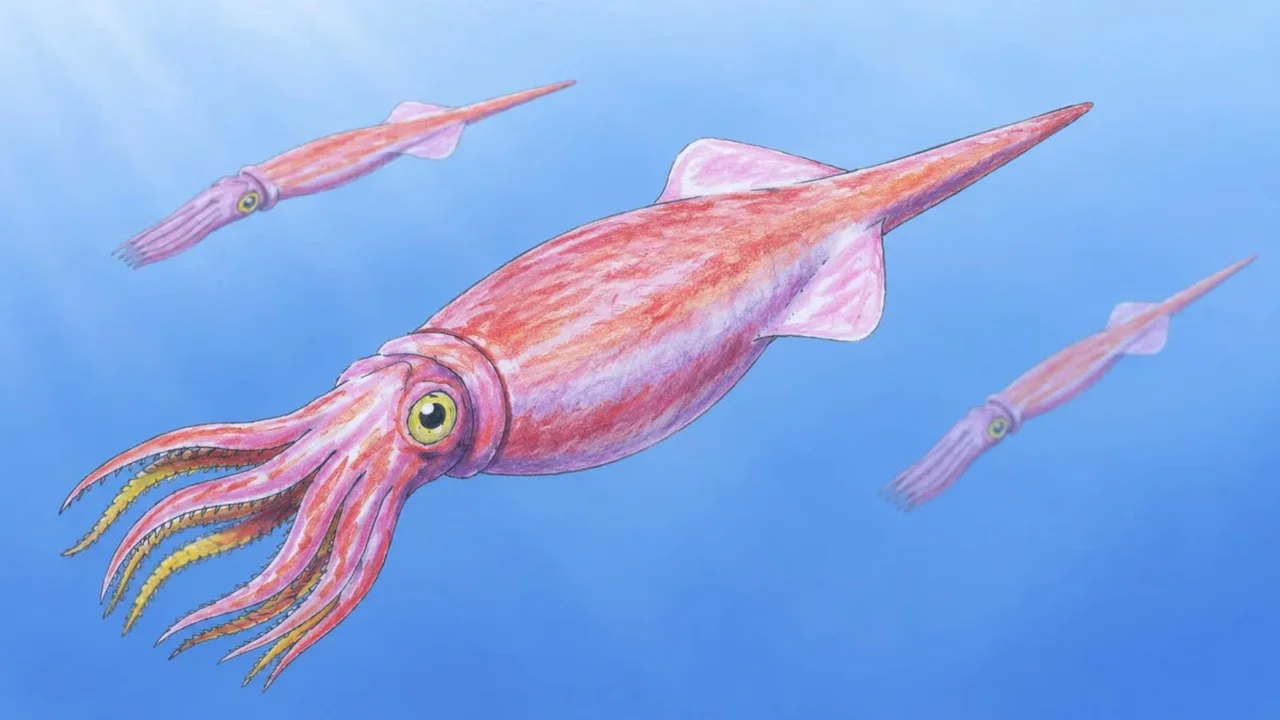
Paleontologists have identified an extraordinary Jurassic cephalopod from Wyoming: Wyoteuthis linsterorum, a newly described relative of modern squid and cuttlefish that stood out for its unusually broad internal skeleton.
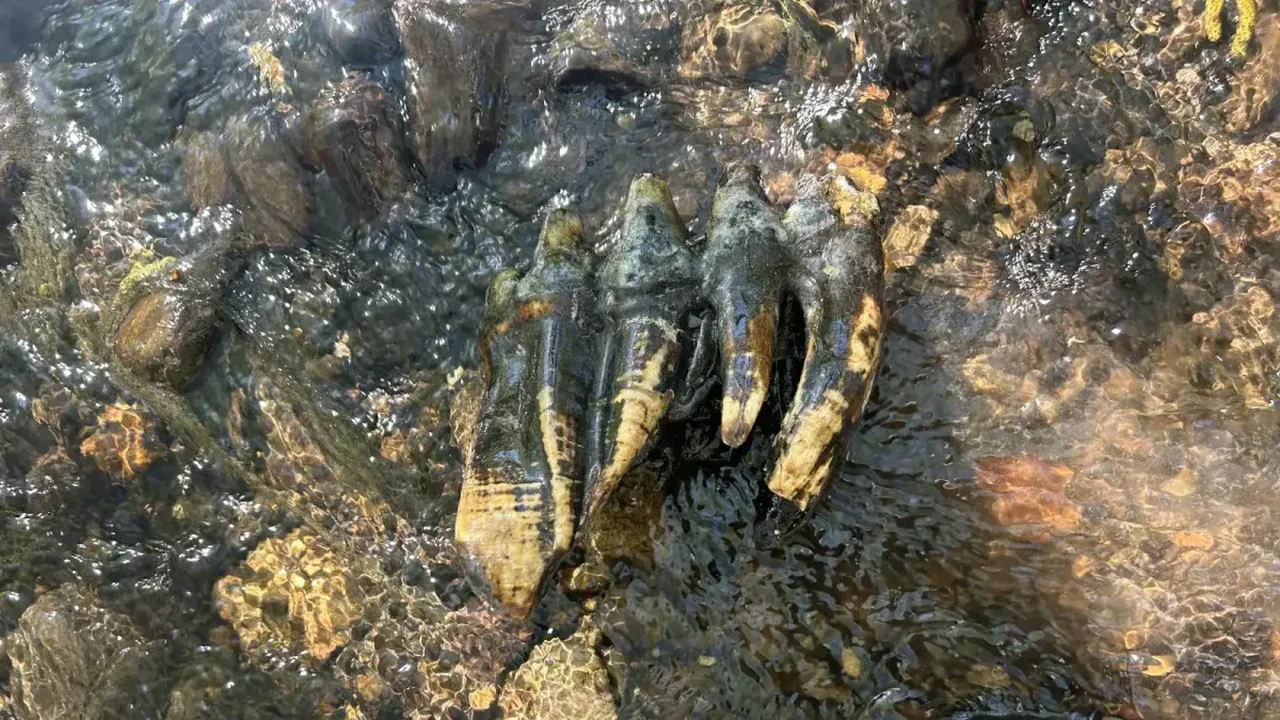
The animal lived around 160 million years ago, when a shallow sea covered large areas of the western United States. Its fossilized internal guard measured about 10 centimeters long and reached up to 6 centimeters wide, making it the broadest known example of a belemnite.
An unusual design from an ancient sea
Belemnites were marine cephalopods whose dense internal guards are commonly preserved in rocks. Most specimens from Wyoming's Sundance Formation are narrow, measuring only 1 to 2 centimeters across. In contrast, Wyoteuthis had a thick, barrel-like structure that suggests a distinctive body shape and potentially unique movement or feeding adaptations.
Researchers estimate that the complete animal, including its arms, may have grown to roughly 60 centimeters long. Its larger build may have offered advantages in competing with or hunting smaller cephalopods, although the fossil record has not yet confirmed its diet.
CT scans uncover a surviving lineage
Using CT scanning, scientists examined the fossils without damaging them and identified internal features linking the animal to Megateuthididae, an ancient belemnite family. The finding indicates that this evolutionary branch persisted longer than previously recognized.
The first specimen was collected in the late 1990s, while a second example was added to the Wyoming Dinosaur Center collection in 2019. Together, the two fossils confirmed that the unusual shape represented a distinct genus and species rather than an individual variation.
The study, published in Papers in Palaeontology, highlights how even familiar fossil beds can still reshape understanding of prehistoric marine ecosystems. Discoveries like Wyoteuthis may help scientists build a more detailed picture of how cephalopods evolved and adapted across changing ancient oceans.