A new book explores how architect and artist James Wines used humor, surprise and unconventional forms to challenge expectations about the built environment. Published by Skira, What Else Could It Mean? brings together five decades of work by SITE, the New York studio Wines founded in 1970.
The book's title captures a guiding question in Wines' practice: how else might a building or public space be understood? After spending time in Rome, he developed an approach that pushed against unified, conventional design. His projects instead draw on their surroundings and invite people to reconsider the boundary between art and architecture.
Architecture that asks questions
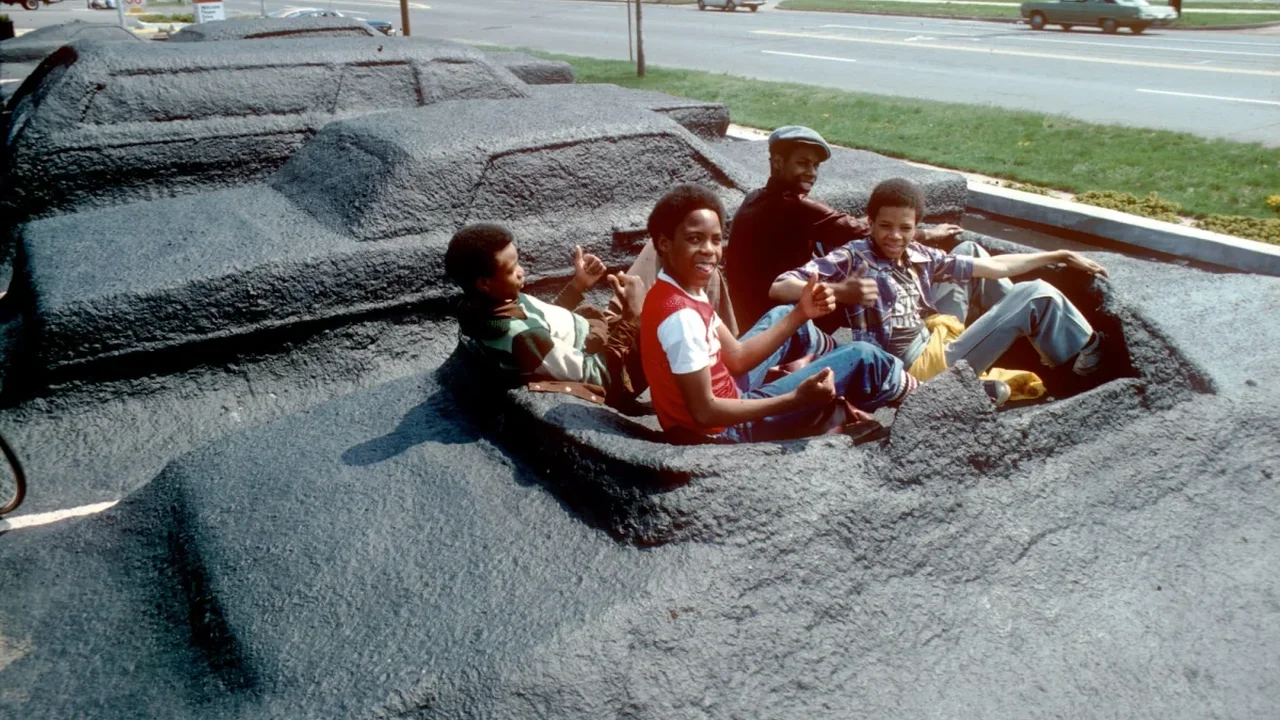
SITE's best-known commissions include a series of showrooms for BEST Products. Some appeared to tilt or split apart, turning familiar commercial buildings into unexpected sculptural forms. In "Ghost Parking Lot," a public artwork in Hamden, Connecticut, cars were embedded beneath asphalt, prompting reflection on consumer culture and urban sprawl.
The volume gathers drawings, plans and writings alongside material documenting completed projects. Together, they show how SITE brought art into everyday settings and made curiosity part of the public experience.
By treating architecture as something that can surprise, entertain and provoke thought, Wines' work offers a lasting reminder that familiar spaces can be seen in new ways. This perspective may help future designers create more accessible, engaging places for shared public life.