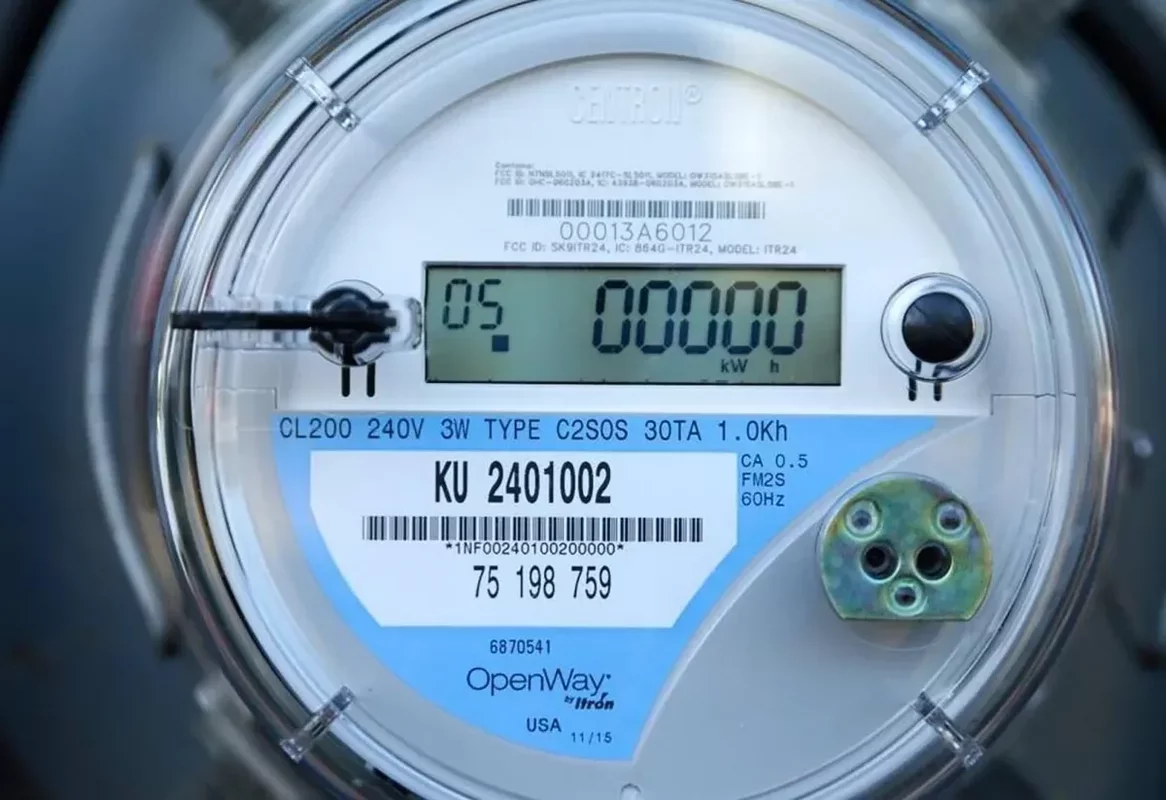
American energy technology leader Itron has acknowledged that it fell victim to a cyberattack in mid-April, with hackers reportedly breaching some of its systems.
In a mandatory disclosure to the U.S. Securities and Exchange Commission, Itron indicated that it had been alerted to the presence of an intruder within its systems. While the company did not disclose the source of this notification, it confirmed that the hackers were removed from its network and that no further intrusions have been detected.
The specifics of the cyberattack remain unclear, including whether it involved ransomware or if the hackers had made direct contact with the company. The extent of the impact on Itron's operations is also yet to be determined.
Notably, Itron reported that it did not find any unauthorized activity in the "customer-hosted portion" of its systems, implying that the breach may be confined to its internal IT network.
The company has taken proactive measures by informing law enforcement agencies about the incident. Based in Liberty Lake, WA, Itron specializes in technologies for managing energy usage across various utilities, including water, gas, and electricity. The firm serves over 110 million homes and businesses globally, providing internet-connected utility meters.
Itron has activated its contingency protocols and data backups, maintaining operations "in all material respects." However, it cautioned that further legal filings and regulatory notifications may be necessary, indicating the potential for a data breach that could invoke state data breach notification laws.
Currently, it is uncertain who within Itron is overseeing cybersecurity efforts. A spokesperson for the company has yet to respond to inquiries regarding the situation.
This incident underscores the importance of robust cybersecurity measures in the technology sector, particularly for companies managing critical infrastructure. As we move forward, the implications of such cyber threats could drive innovations in security protocols, shaping a more resilient future for energy management systems.