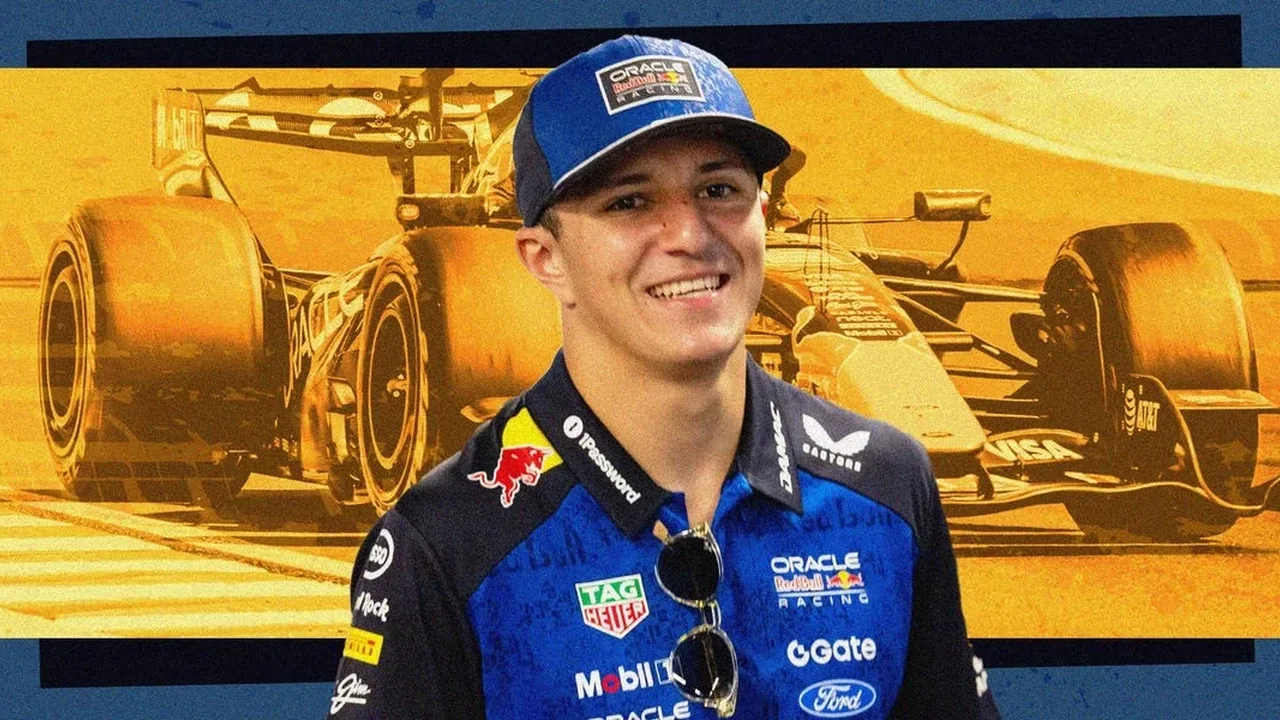
Formula 1 driver Isack Hadjar has shaped his pre-race preparation around a precise countdown: he begins putting in his earpieces nine minutes before the start. The Red Bull driver says the timing gives him enough time to get settled in the car without waiting there longer than he wants.
His routine starts earlier, with stretching and warm-ups alongside his trainer. Juggling and reaction-time exercises help him prepare mentally, while rap music--from French, American or British artists--gets him in the right mood for competition.
Hadjar's training also includes moderate-paced endurance running, which he finds less engaging than other conditioning work. To make those sessions pass more quickly, he puts on music, a film or a television show, while recognizing the role endurance plays in his preparation.
After a race, he prefers a more relaxed reset: a burger, anime and calls with his parents. He has also started playing Grand Theft Auto VI, describing the game as impressive after fitting in about 25 minutes. He jokes that it could challenge his free time, but says he sticks to his bedtime when it is time to sleep.
Hadjar's tightly timed ritual shows how elite athletes can use small, repeatable habits to prepare for high-pressure performance. As sports science and personal routines continue to evolve, such approaches may help athletes tailor preparation more precisely to their needs.