A vivid ecosystem beyond Vice City
Grand Theft Auto VI brings Florida-inspired wildlife into its fictional state of Leonida, with reports indicating the game includes more than 170 animal species. Among the visual details associated with its creatures are glowing effects, adding another layer to the world's wetlands and coastal waters.
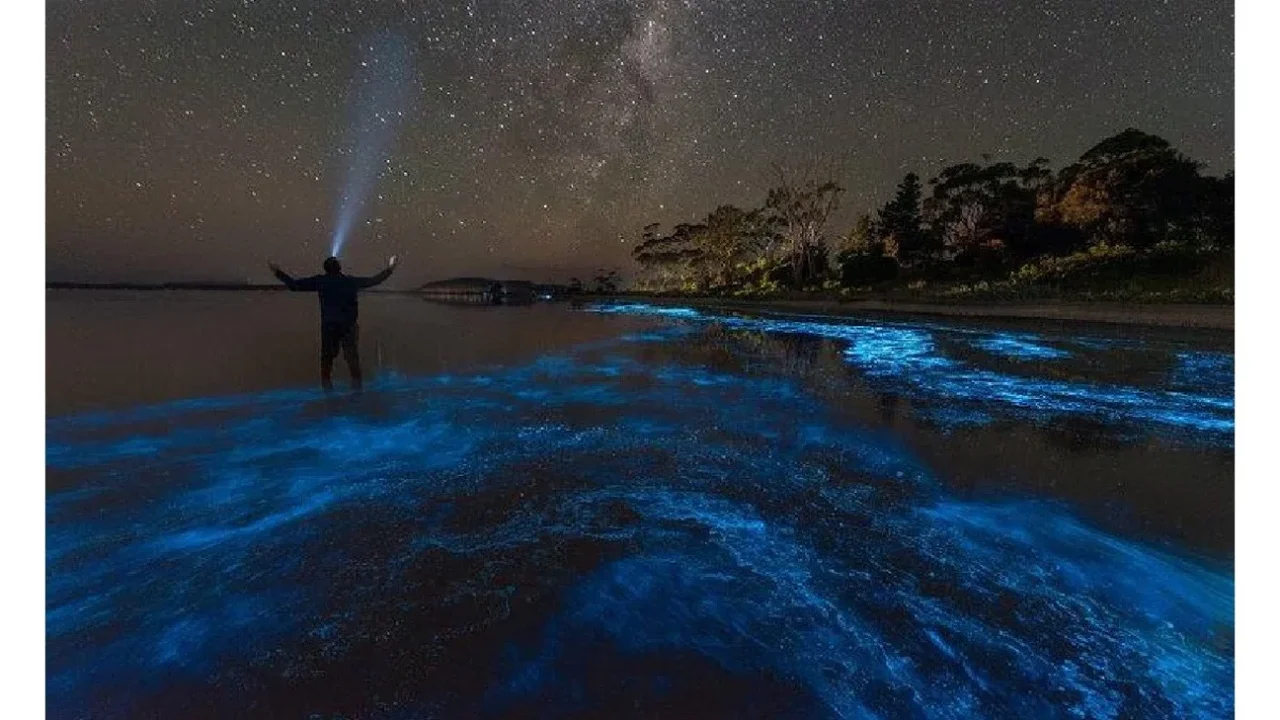
In real Florida, nighttime waters can also shine electric blue. The glow comes from microscopic organisms, including the dinoflagellate Pyrodinium bahamense, which can emit light when the water around it is disturbed. This is bioluminescence: living organisms producing light through chemical processes. Blue light travels well underwater, making it an effective signal in the marine environment.
Light with a purpose
For some plankton, flashes may help deter predators. One proposed explanation, known as the "burglar alarm" hypothesis, suggests that light can reveal creatures feeding on the glowing organisms, making them easier for larger predators to detect.
Other marine animals offer different examples. Some jellyfish produce flashes when disturbed, while comb jellies can show rainbow-like iridescence as light interacts with tiny structures on their bodies. The distinction matters: bioluminescence creates light, while iridescence reshapes light that is already present.
Research on luminous jellyfish has also contributed to science: a fluorescent protein first identified in a Pacific species became a key tool for observing biological processes inside cells. As games recreate nature's intricate light effects, they may also encourage players to look more closely at the science behind the spectacle.
As digital worlds grow more detailed, nature's light-producing systems could inspire both richer storytelling and new scientific curiosity.