As we move deeper into February, discussions abound about whether this month is uniquely fortunate, with some attributing a mystical quality to it. Certain social media circles are buzzing with claims that February 2026 will be a "miraclein," a rare alignment of days that supposedly occurs only once every 823 years. However, others predict that this month could herald an unlucky year ahead, while some speculate about an upcoming planetary alignment that may lead to significant changes.
The "Miraclein" of February 2026
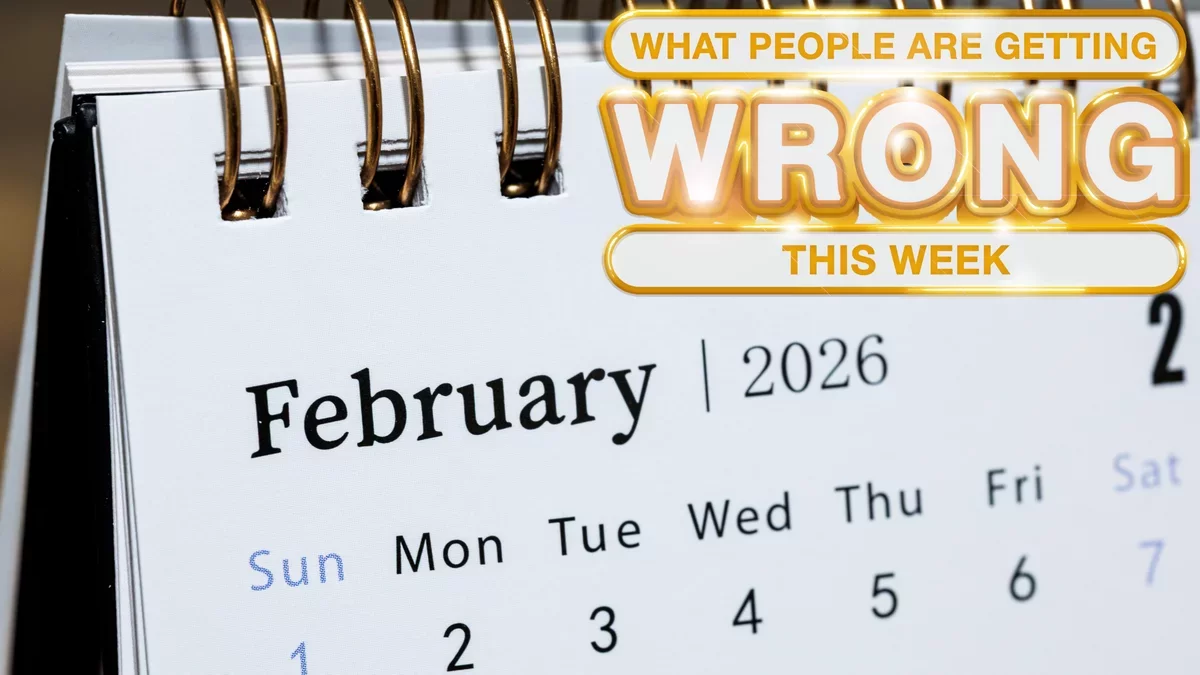
Despite the term "miraclein" not being recognized in scientific circles, some enthusiasts refer to this month as such due to the occurrence of each day of the week appearing four times. This phenomenon happens nearly every February, except during leap years, as there are 28 days in the month--four weeks of seven days. Therefore, it's not a miracle, but simply a matter of arithmetic that has been misunderstood.
Is February 2026 Truly Perfect?
Digging deeper into the fascination with February 2026, some describe it as a "perfect month" because it starts and ends on a Sunday. While this might seem orderly, it's not an uncommon occurrence; February 2015 was also a perfect month, and February 2037 will follow suit.
Planetary Alignment in February
While the concepts of "miraclein" and perfect months are rooted in human-created calendars, February does offer a noteworthy astronomical event. On February 28, six planets--Mercury, Venus, Jupiter, Saturn, Uranus, and Neptune--will appear aligned in the sky. Some claim this alignment is a rare occurrence that could lead to a "paradigm shift," but such alignments happen regularly, with several occurring every few years.
Is 2026 a Year of Bad Luck?
In 2026, the presence of three Friday the 13ths--one in February, another in March, and a final one in November--has led to speculation about the year being particularly unlucky. However, this is not unusual, as three Friday the 13ths can occur in any year, as evidenced by 2015 and 2037.
Understanding Human Perception
The tendency to perceive connections between unrelated events, known as apophenia, plays a significant role in these beliefs. This cognitive bias can lead individuals to see patterns where none exist, contributing to the spread of superstitions and myths surrounding the calendar.
In conclusion, while February 2026 may hold its share of intrigue with its planetary alignments and claims of luck, it's essential to approach these ideas with a critical mindset. The fascination with such phenomena reflects a broader human inclination to seek meaning and patterns in our lives.