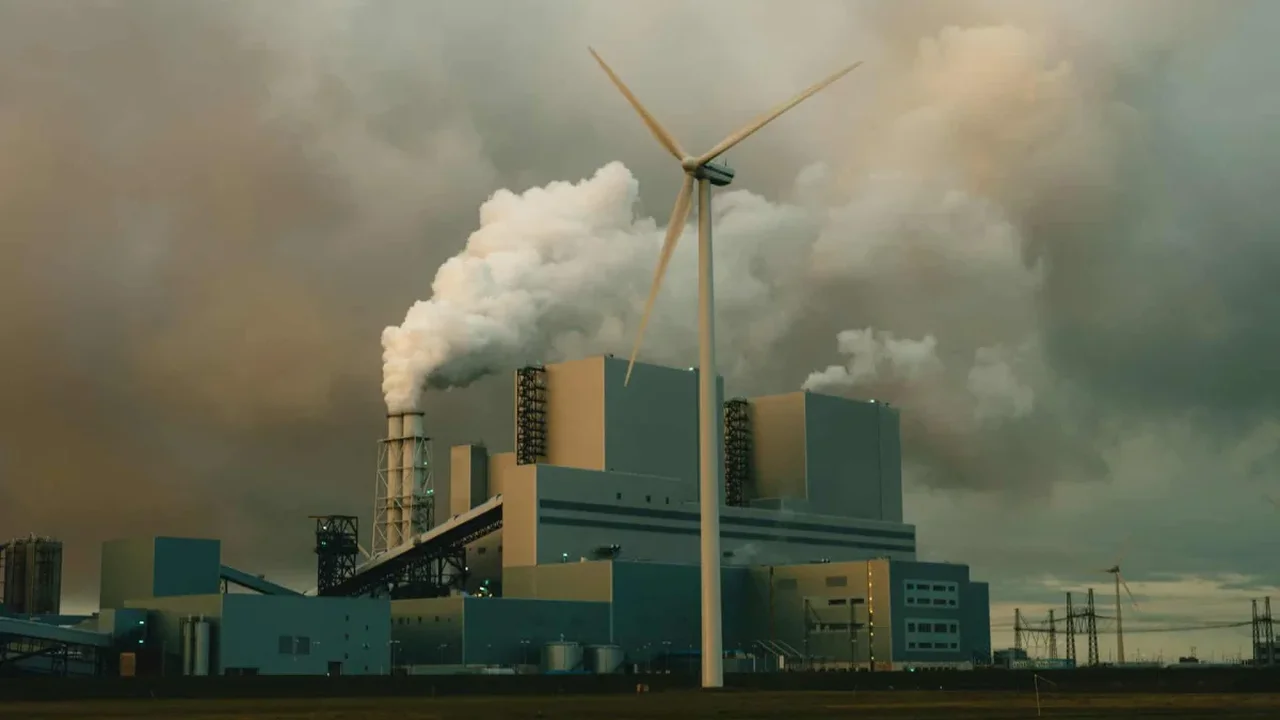
Some coal-fired power plants could be adapted to burn iron powder, giving their turbines and grid connections a new role as backup for renewable energy. Researchers at Germany's Karlsruhe Institute of Technology (KIT) modeled how the approach might fit into Europe's energy system through 2050.
Storing renewable power in a metal cycle
When iron powder reacts with oxygen, it releases heat and becomes iron oxide, or rust. In a modified power plant, that heat could produce steam to drive existing turbines. To recharge the fuel, renewable electricity could power electrolysis to make hydrogen, which would remove oxygen from the rust and restore the iron.
The process would not generate energy from nothing: it would store renewable electricity for later use. Iron powder may be easier to store and transport than hydrogen, since it can be kept in conventional silos and moved using existing cargo infrastructure.
In KIT's main model, Europe had about 17 gigawatts of iron-fired capacity by 2050, with approximately 13.6 gigawatts coming from converted coal plants. The technology reduced the modeled need for hydrogen-fired power plants by about 9 percent. Iron plants operated for just 2 to 14 percent of the year, making them a potential source of occasional backup rather than everyday electricity.
Costs and engineering remain key
The results differed by country, depending on available hydropower, underground hydrogen storage and other energy options. The model found that iron could be more useful in places with fewer alternatives for storing energy over longer periods. However, the projected savings in the main scenario were modest.
Adapting a coal plant would require new burners, equipment to handle the powder and filtration systems. The larger challenge is making iron from rust efficiently and at industrial scale. Researchers have demonstrated repeated combustion and regeneration cycles, but the process still recovers only a small share of the energy invested. Iron combustion can also produce nitrogen oxides and fine particles.
The study, published in Chem Circularity, presents iron as a possible complement to batteries and hydrogen--not a ready-made replacement for coal. If regeneration becomes affordable and efficient, existing plant infrastructure could help provide longer-duration support for renewable-heavy electricity grids.