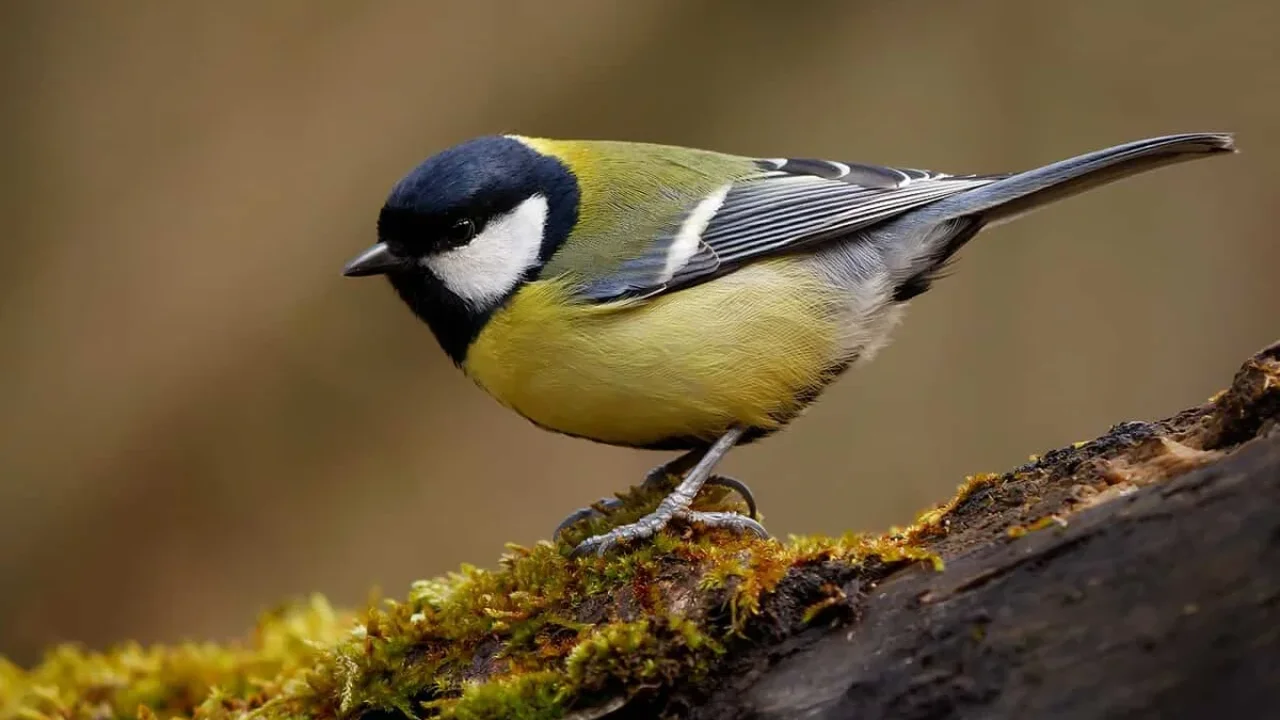
Often seen at garden feeders across Europe, the great tit is far more than a familiar songbird. Research into Parus major reveals a highly adaptable species whose behaviour offers striking insights into learning, communication and life in changing environments.
Social Learning Shapes Local Traditions
Great tits can learn from one another and sustain group-specific habits. In behavioural experiments, birds adopted one of two ways to access food and continued using the method preferred by their local group--even when they had learned an alternative. These shared routines can persist across generations, providing compelling evidence of animal culture in the wild.
The species also became known for its ability to open milk bottle tops in Britain during the 20th century. The skill appeared in multiple locations and spread through bird communities, becoming an early example of social learning among animals.
Birdsong Is a Flexible Language
Great tits do not simply inherit a fixed song. Young birds raised alongside other species can develop altered vocal patterns, while city populations adjust their songs to be heard above urban soundscapes. In European cities, many great tits sing at higher frequencies, with shorter and faster phrases than their woodland counterparts.
They can also reorganize the songs they use after encountering unfamiliar territorial calls. This vocal flexibility suggests that birdsong is both a communication tool and a dynamic response to social surroundings.
Urban Life Drives Continuous Adaptation
City environments influence more than song. Studies indicate that urban great tits may show paler yellow plumage, likely reflecting differences in food availability and environmental conditions. Artificial light can also disrupt their nightly rest, highlighting how even low-level illumination affects wildlife routines.
Long-term observations further suggest that traits linked to survival can differ between forests and cities. In some populations, the size of the male's black chest stripe--a visual social signal--appears to be favoured differently depending on the habitat.
Individual great tits also show consistent behavioural differences. Some explore unfamiliar spaces quickly, while others are more cautious, and these tendencies can partly be inherited. Together, these findings make the species a valuable model for understanding how behaviour, biology and environment interact.
The great tit's adaptability shows how closely wildlife can respond to human-made landscapes, offering a useful window into the future of biodiversity in increasingly connected cities.