Ireland's Basic Income for the Arts (BIA) has become a permanent program after a three-year pilot that provided 2,000 artists with €325 a week from 2022 to 2025. The regular payments helped recipients spend more time on their creative work and less on unrelated jobs to cover living costs.
Artists who took part described the support as a turning point. Dublin-based artist Gearóid O'Dea used the time and stability to develop an exhibition inspired by Samuel Beckett, which travelled to Berlin, and to collaborate with other artists. Elinor O'Donovan said the payment enabled her to leave part-time work and focus on her practice.
A lasting program with limited places
Applications for a new three-year round opened in May, with 2,000 places available. Around 10,000 artists applied. Eligible applicants are selected by lottery, with demographic representation also considered; recipients may receive support for up to three years in any six-year period.
The program's benefits are primarily visible in artists' working lives, while its broader influence on Dublin's galleries and commercial art market remains less clear. The fixed number of places and eligibility requirements also mean that not every artist can rely on continued support.
Dublin's creative scene in focus
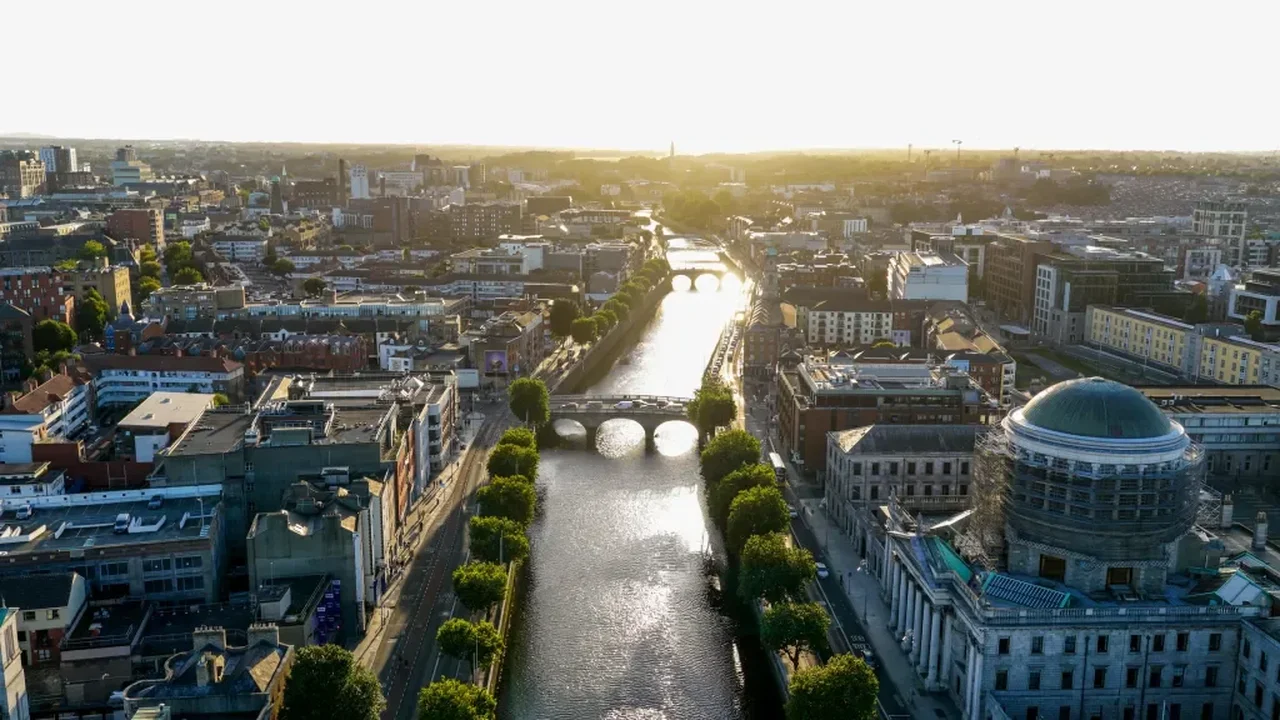
The program's continuation comes as Dublin Gallery Weekend brings galleries and cultural institutions together for exhibitions, talks, screenings and performances. Its inaugural Francis Bacon Awards for Irish Visual Arts awarded €25,000 to Patrick Graham for lifetime achievement and €15,000 to Cathy Wilkes in the mid-career category.
By pairing dependable income with opportunities to create and collaborate, Ireland's approach offers a model for considering how public support can strengthen cultural life. Its longer-term influence will depend on how well the program's reach and structure evolve alongside artists' needs.