Researchers working in limestone caves in southwestern Ireland say they have identified prehistoric markings that could date back 15,000 years or more, potentially pushing human arrival on the island much earlier than previously confirmed.
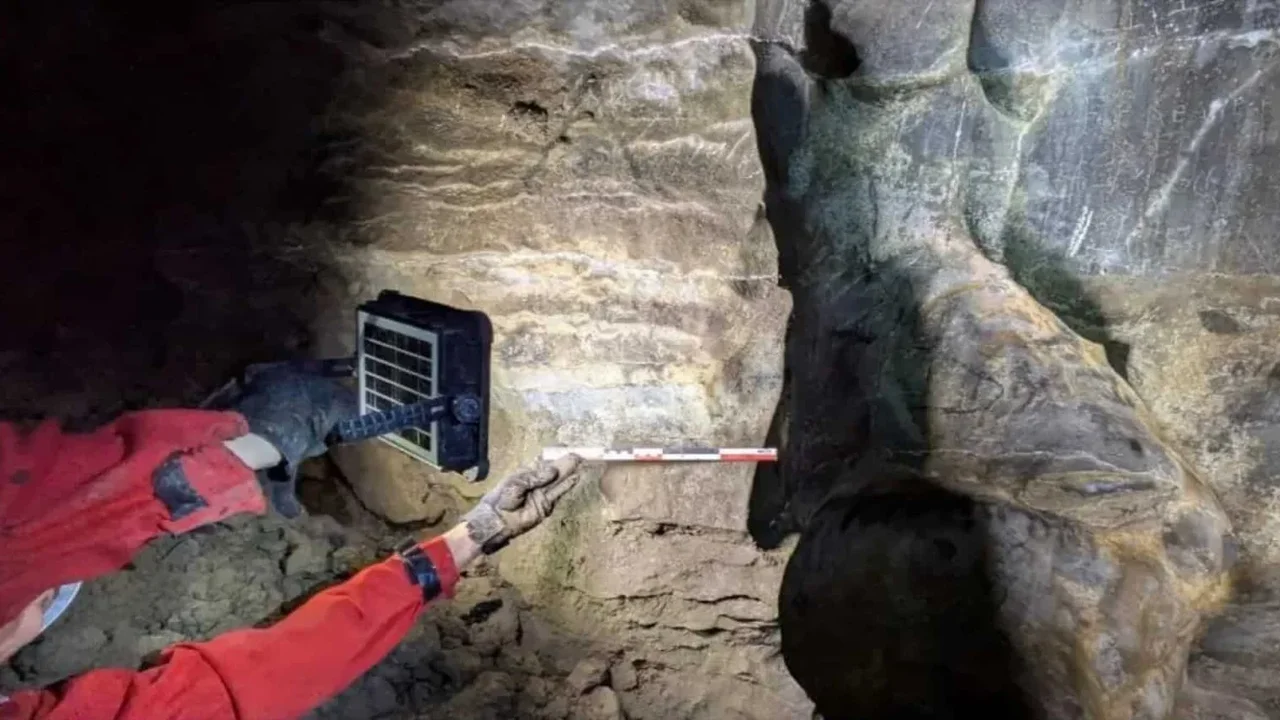
The project, led by the Lost Land Bridge Project, documented engravings, ochre and charcoal traces, and finger-made grooves in eight caves. Some of the markings appear to resemble deer and mammoths, suggesting a rich symbolic world during the final Ice Age period in northwestern Europe.
The search gained momentum through a computer model built from known cave characteristics in South Wales. By comparing those patterns with Irish terrain, the team narrowed the field to 28 caves and found promising evidence in eight of them. The approach shows how digital mapping and archaeology can work together to reveal hidden heritage sites.
George Nash, an honorary researcher in archaeology at the University of Liverpool, says the findings may point to a much older human story in Ireland. Still, the team has not yet released peer-reviewed numerical dates for the art, and the chronology remains under review.
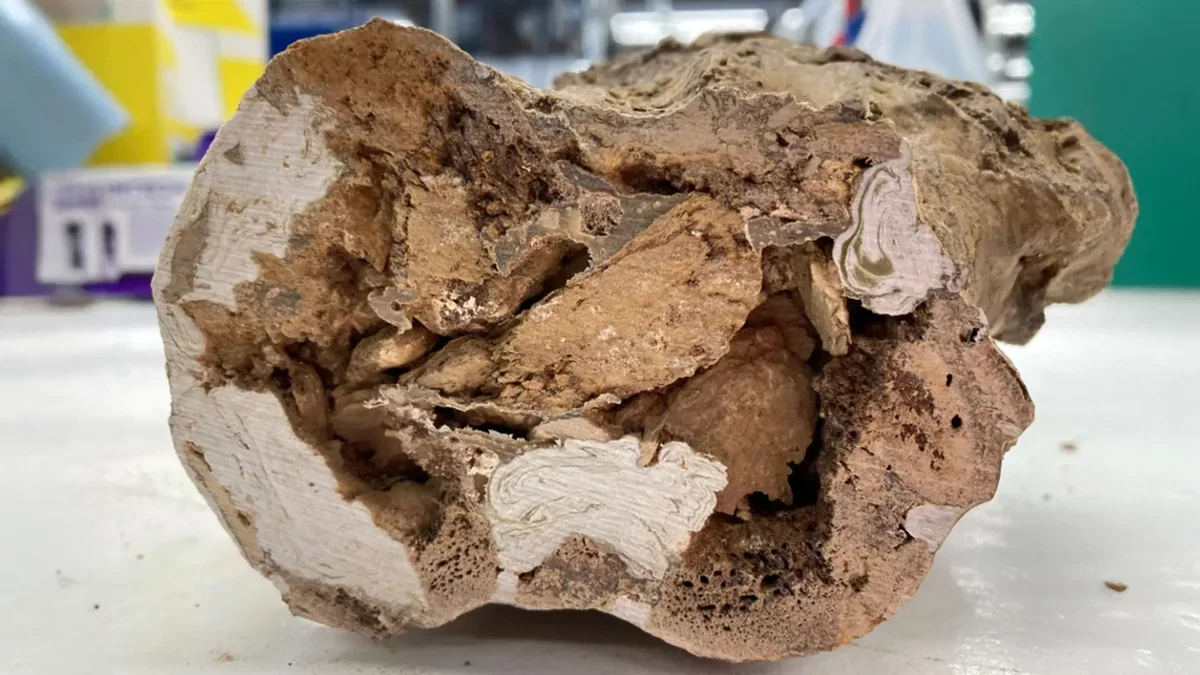
The dating challenge is central. Charcoal can sometimes be measured directly, while engravings and ochre paintings often require indirect methods such as uranium-thorium analysis of calcite layers above or below the art. Until those measurements are complete, the age of the cave markings remains an open question.
The discovery also adds fresh interest to a long-running idea that Ice Age hunter-gatherers may have moved west from what is now Wales across exposed terrain in the Irish Sea. Whether they arrived on foot, along icy landscapes, or by boat, the new evidence suggests Ireland's prehistoric timeline may be deeper than once thought.
As laboratory results continue, the caves could become a key reference point for understanding how early humans explored and expressed themselves at the edge of Ice Age Europe. The next phase of research may reshape how we imagine the first chapters of Ireland's human history.