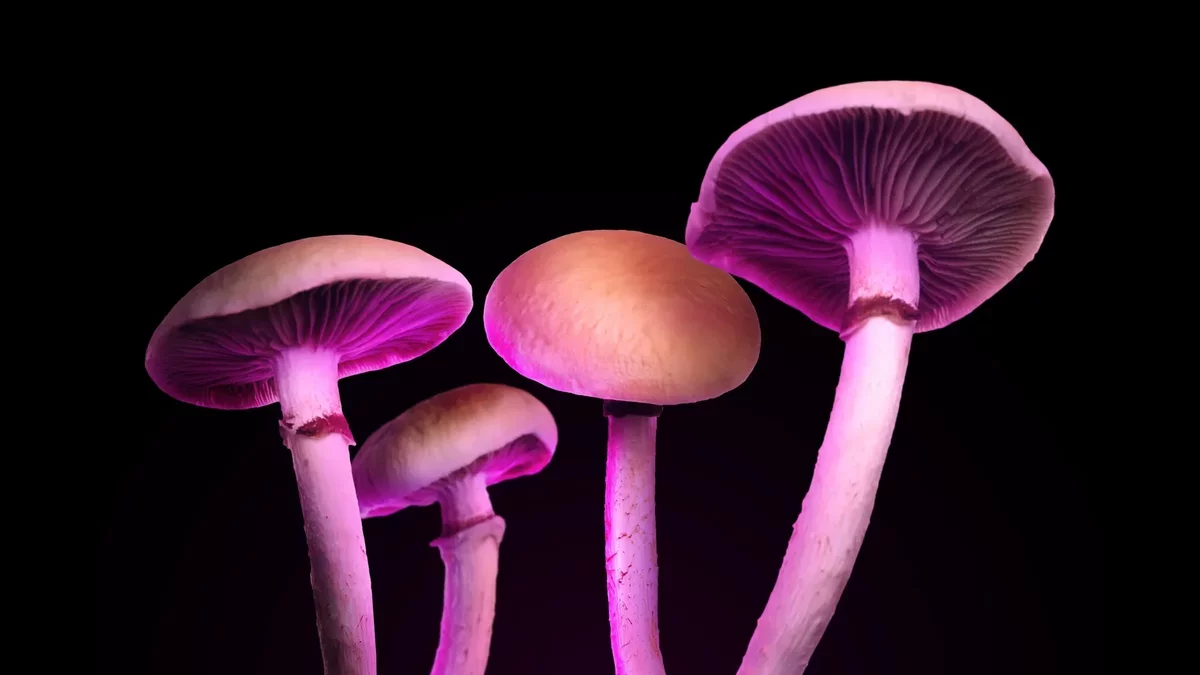
A recent study led by researchers Andrea Mattarei, Sara De Martin, and Paolo Manfredi reveals exciting potential in treating depression through new psilocin derivatives. Their findings suggest that the therapeutic effects of psychedelics may be separated from their hallucinogenic properties, paving the way for safer treatment options.
Understanding Serotonin's Role in Mood Disorders
Mood disorders and neurodegenerative diseases, like Alzheimer's, are often linked to serotonin imbalances, a crucial neurotransmitter for mood regulation. For decades, scientists have explored psychedelics, such as psilocybin, for their serotonin-modulating effects. However, the associated hallucinations can deter patients from considering these treatments, despite their potential benefits.
To overcome this obstacle, the research team developed five chemical variants of psilocin, designed to release the active molecule gradually in the brain. This innovative approach aims to minimize hallucinations while retaining therapeutic effects.
Evaluating New Compounds
The team conducted laboratory tests using human plasma samples to simulate gastrointestinal absorption, identifying the most promising variant, named 4e. This compound exhibited strong stability during absorption and a controlled release of psilocin, potentially mitigating hallucinogenic effects while still activating serotonin receptors effectively.
Subsequent experiments compared the effects of 4e and pharmaceutical-grade psilocybin in mice. Administered orally, the team monitored how much psilocin entered the bloodstream and brain over a 48-hour period. Results indicated that 4e efficiently crossed the blood-brain barrier, resulting in a lower yet prolonged presence of psilocin compared to psilocybin.
Behavioral assessments also revealed significant differences; mice treated with 4e exhibited fewer head twitches--an indicator of psychedelic activity--compared to those receiving psilocybin. This finding suggests that the release rate of psilocin in the brain plays a crucial role in moderating psychedelic effects.
Advancing Towards Safe Psychedelic-Inspired Therapies
The research highlights the potential for creating stable psilocin-based compounds that effectively activate serotonin receptors without the intense mind-altering effects typical of psychedelics. Further studies are essential to fully understand these molecules' mechanisms and assess their safety and therapeutic potential for human use.
The research received funding from MGGM Therapeutics, LLC, in collaboration with NeuroArbor Therapeutics Inc. Several authors are noted as inventors on related patents.