The research, spearheaded by Chair Professor in Nanomedicine Bingyang Shi at the University of Technology Sydney (UTS), in collaboration with Professor Kam Leong from Columbia University and Professor Meng Zheng of Henan University, aims to tackle a significant health challenge.
Understanding the Role of Abnormal Proteins in Disease
Professor Shi explained, "Proteins play a crucial role in almost every bodily function. However, when they become mutated, misfolded, or accumulate inappropriately, they can interfere with normal cellular activities and lead to diseases." He noted that many health conditions, including cancer, dementia, and autoimmune disorders, are linked to these abnormal proteins, which often exhibit characteristics that make them resistant to conventional treatments.
Introducing Nanoparticle-Mediated Targeting Chimeras (NPTACs)
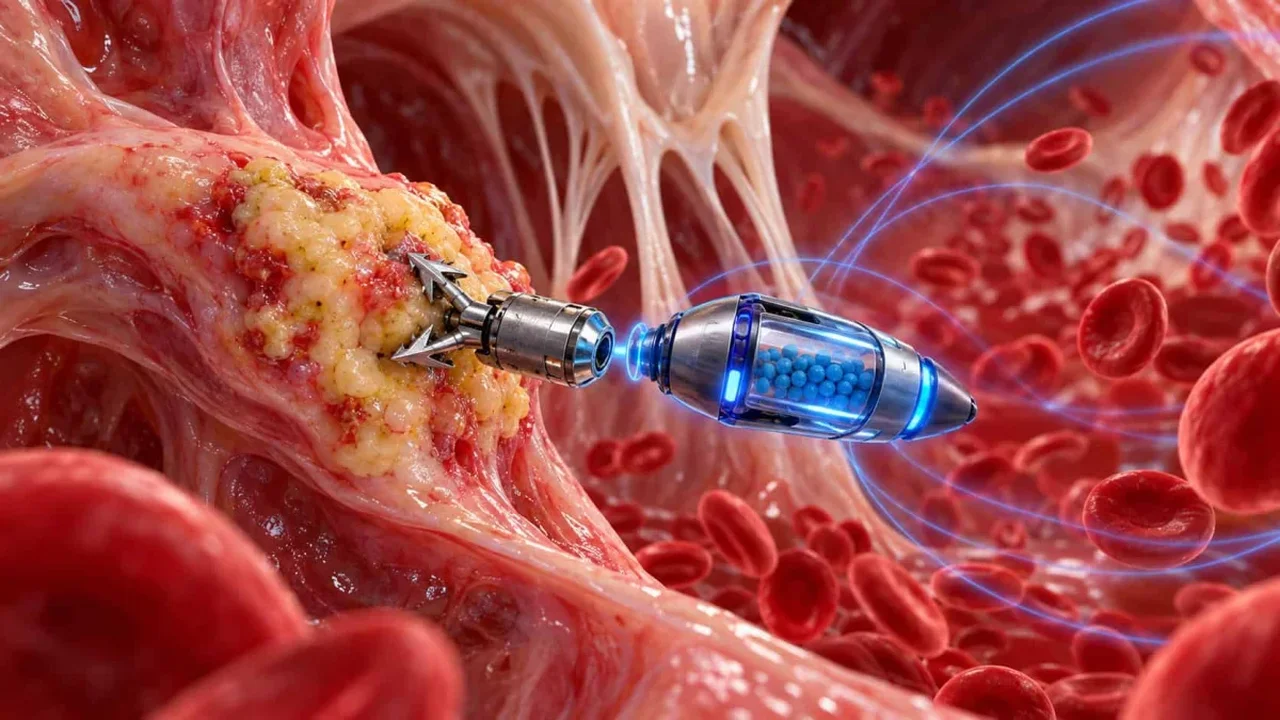
In response to these challenges, the research team has developed a novel class of engineered nanoparticles known as nanoparticle-mediated targeting chimeras (NPTACs). These tiny particles are designed to selectively attach to specific disease-associated proteins and facilitate their breakdown.
The perspective published in Nature Nanotechnology, titled "Nanoparticle-mediated targeting chimeras transform targeted protein degradation," delves into the mechanics of this innovative technology and its potential applications. The foundational discovery was initially reported in Nature Nanotechnology in October 2024.
Professor Shi remarked, "We have crafted an efficient and adaptable approach to guide disease-related proteins, whether they are located inside or outside cells, into the body's natural recycling system for degradation and removal."
Advancing Beyond Current Therapeutic Limitations
Targeted protein degradation is rapidly emerging as a key focus in biotechnology, attracting significant commercial interest. Companies like Arvinas have successfully raised over $1 billion USD and formed substantial partnerships with major pharmaceutical firms such as Pfizer, Bayer, and Roche.
Despite this growth, current protein degradation technologies often encounter challenges, including limited access to tissues, unintended impacts on healthy proteins, and complex manufacturing processes. These hurdles have hindered advancements in treating brain disorders and solid tumors.
Professor Shi stated, "Our nanoparticle-based approach addresses these critical bottlenecks."
Notable Benefits of the NPTAC Platform
The researchers highlight several key advantages of this new technology:
- Facilitating the degradation of both intracellular and extracellular proteins
- Targeting specific tissues and diseases, including the ability to cross the blood-brain barrier
- Modular design for quick adaptation to various protein targets
- Scalable and clinically applicable, utilizing FDA-approved nanomaterials and established synthesis methods
- Integration of multiple functions, allowing for diagnostic or therapeutic combinations
Promising Results and Future Opportunities
Supported by several international patents, NPTACs have shown promising preclinical results against significant disease targets such as EGFR, a protein associated with tumor growth, and PD-L1, which helps cancer cells evade the immune response.
Professor Shi noted, "This advancement opens new avenues for applications in oncology, neurology, and immunology. It transforms our perception of nanoparticles as not just delivery mechanisms but as active therapeutic agents." He added, "With the targeted protein degradation market projected to exceed $10 billion USD by 2030, NPTACs offer a robust platform for the next generation of intelligent, precision therapies."
He concluded, "We are actively seeking strategic industry partnerships to expedite clinical development, broaden therapeutic applications, and prepare for regulatory approvals."