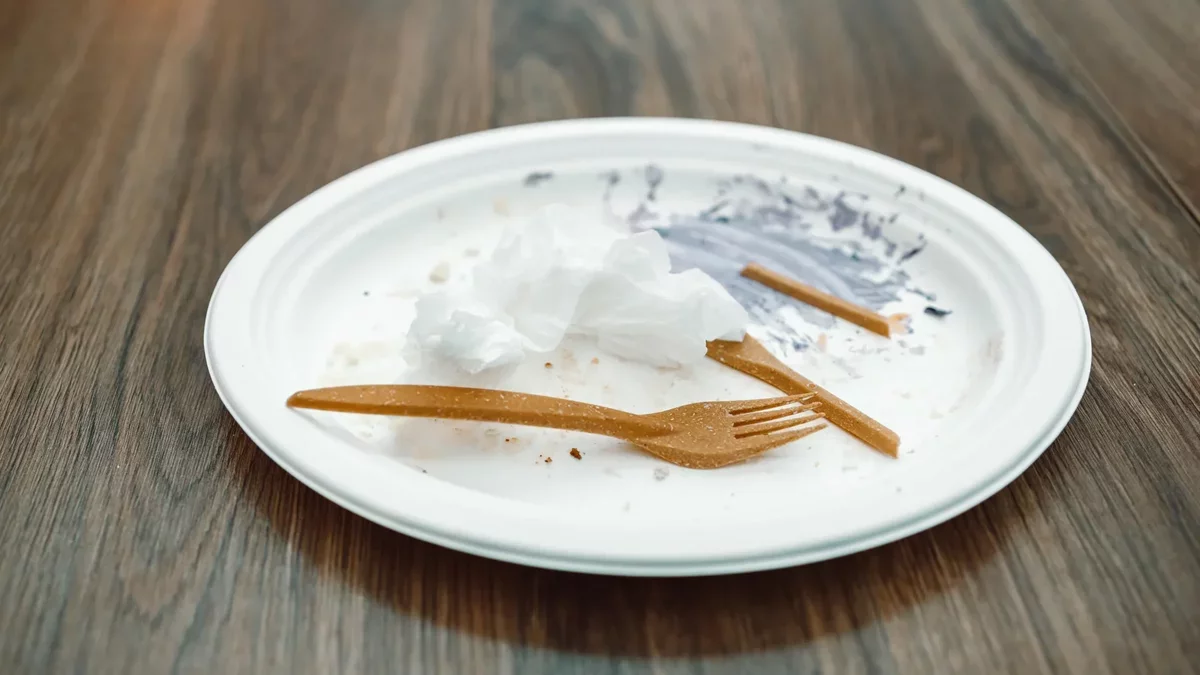
Recent research published in Polymers has unveiled a groundbreaking plastic alternative derived from milk. Utilizing calcium caseinate, a widely available form of casein, scientists combined it with modified starch and bentonite nanoclay, enhancing the material with glycerol and polyvinyl alcohol to boost its flexibility and durability. The objective was to create a product that rivals conventional plastics while significantly reducing environmental impact.
Rapid Decomposition in Soil
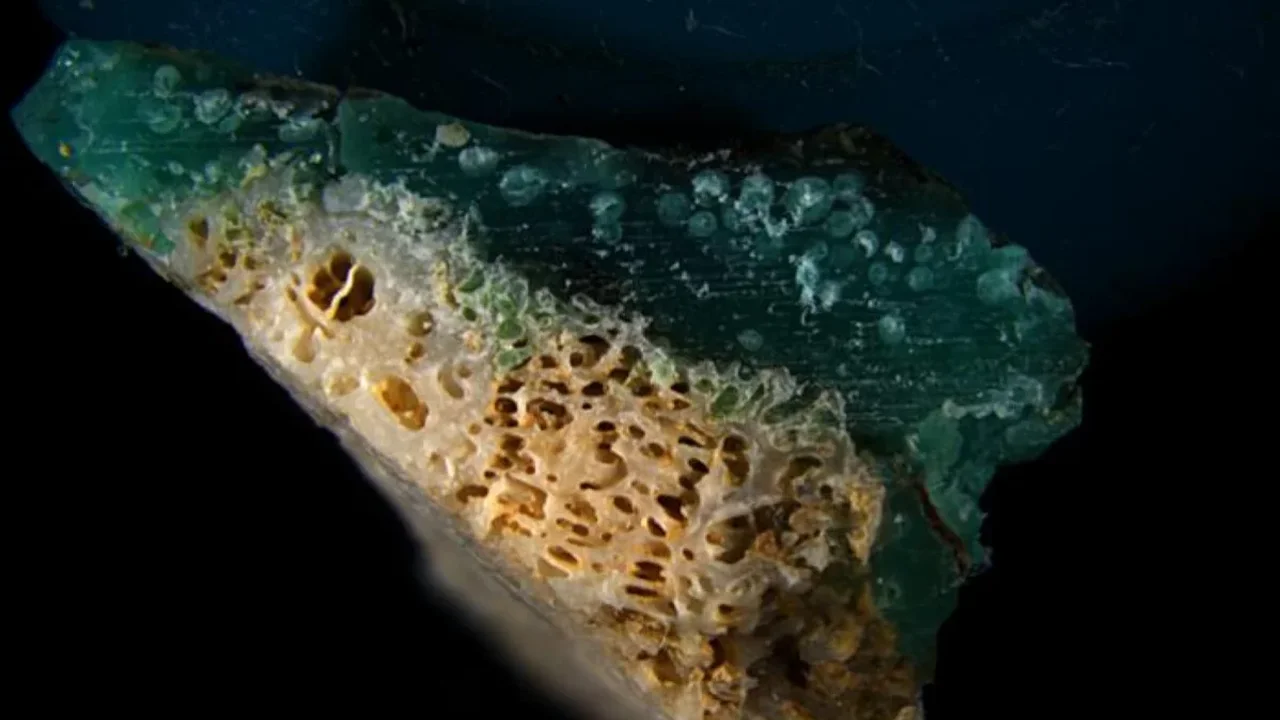
Tests revealed that this innovative material decomposes efficiently in typical soil conditions, with complete breakdown occurring within approximately 13 weeks. This discovery indicates that blending biopolymers with nanoclay can yield effective films ideal for sustainable food packaging.
Safety assessments showed that microbial levels remained within safe limits for biodegradable films without antimicrobial properties, indicating minimal toxicity. Professor Youhong Tang, a nanomaterials expert at Flinders College of Science and Engineering, advocates for further antibacterial testing to enhance the material's safety profile.
According to Professor Tang, advancing sustainable food packaging alternatives is crucial in combatting the escalating issue of global pollution.
The Importance of Sustainable Plastics
Traditional plastics often contain harmful additives, some of which are associated with health risks. The Organisation for Economic Co-operation and Development (OECD) has raised concerns that without global intervention, plastic production could surge by 70% by 2040, exceeding 700 million tonnes annually.
Although some plastics can be reused, a significant portion is discarded after a single use. An analysis in Nature estimates that around 60% of plastics are single-use, with only 10% being recycled. The production of plastic has dramatically increased from 2 million tonnes in 1950 to 475 million tonnes by 2022, equivalent to the weight of 250 million cars.
International Collaboration on Bioplastics
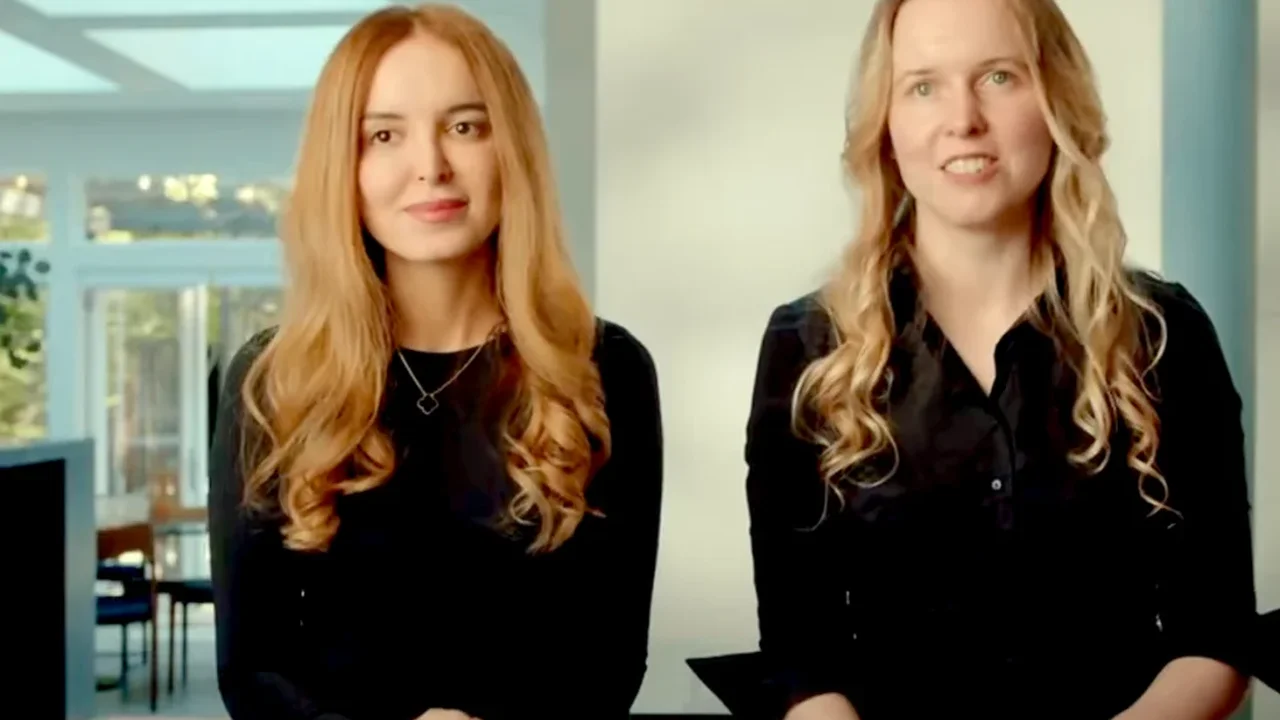
This project was a collaborative effort with chemical engineering researchers from Colombia, including Nikolay Estiven Gomez Mesa and Professor Alis Yovana Pataquiva-Mateus from the Universidad de Bogotá Jorge Tadeo Lozano. Their research in the Nanobioengineering Research Group focused on developing novel polymer materials.
Mr. Gomez stated, "We experimented with caseinates to create milk-based nanofibers and discovered their potential for producing polymers akin to common packaging materials." This led to the exploration of enhancing properties by incorporating natural components like starch and biodegradable polymers with excellent mechanical characteristics, alongside nanoclays such as bentonite to bolster the film's strength and barrier capabilities.
Professor Pataquiva-Mateus highlighted the broader implications of this research, emphasizing that everyone has a role in reducing plastic consumption. Finding biodegradable alternatives is vital for developing solutions that benefit industries, consumers, and the environment. "Much of our single-use plastic originates from food packaging, making it essential to explore these alternatives as part of the circular economy," she concluded.