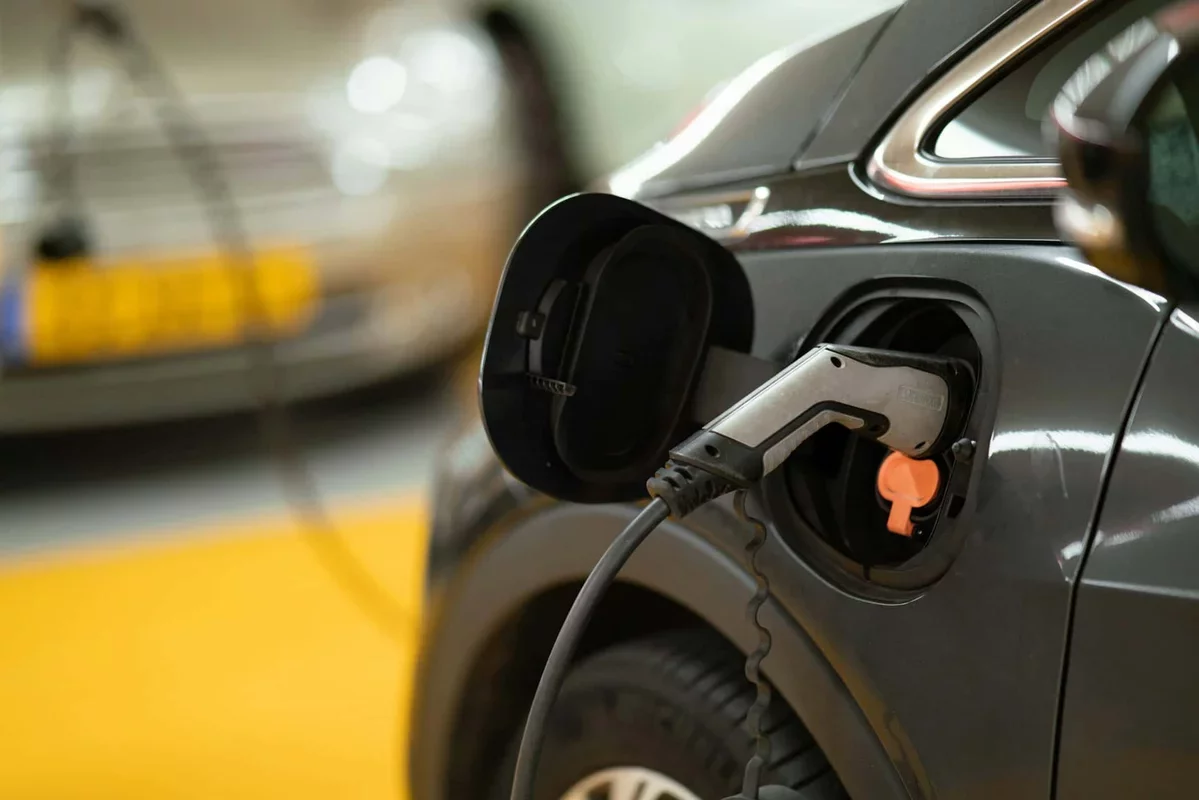
Winter conditions can severely impact the functionality of batteries, particularly in electric vehicles (EVs). As temperatures drop, the range of electric cars diminishes, and backup systems become less reliable when they are most needed.
Researchers from Texas A&M University have made significant strides by developing a battery that remains operational at temperatures as low as -40 degrees Celsius. This innovative design, detailed in the Journal of Materials Chemistry A, presents a robust energy storage solution capable of withstanding extreme cold, making it ideal for winter storms and polar environments.
Addressing Cold Weather Challenges
Conventional electric vehicle batteries utilize liquid electrolytes to facilitate the movement of charged particles between electrodes. However, when temperatures fall, these liquids can thicken or freeze, leading to sluggish ion movement and rendering the battery ineffective.
This issue became evident during a severe cold snap in Chicago in 2024, where numerous electric vehicles were unable to charge due to their batteries freezing. To tackle this problem, the Texas A&M team re-engineered the battery's chemistry. They introduced a diglyme-based liquid electrolyte that remains fluid in frigid conditions, combined with soft polymer electrodes that enhance ion mobility in cold temperatures.
Dr. Jodie Lutkenhaus, the lead researcher, explained that "soft polymer materials can facilitate ion movement more effectively than hard inorganic materials in low temperatures." This innovative approach allows the battery to operate efficiently without battling its own chemistry.
In laboratory tests, this new battery design maintained about 85% of its capacity at 0 °C and approximately 55% at -40 °C, while still delivering impressive power output. It achieved a specific power of around 1,000 watts per kilogram at -40 °C, surpassing many conventional lithium-ion systems tested under similar conditions.
Moreover, the battery exhibited minimal capacity loss after extensive charge-discharge cycles in cold environments, indicating that degradation processes may slow down at lower temperatures.
Structural Integrity and Performance
Beyond cold performance, the battery also needed to endure mechanical stress while remaining lightweight. The researchers incorporated woven carbon fiber into the electrodes, allowing the battery to conduct electricity while simultaneously providing structural support. This design creates what is termed a structural battery, which stores energy and bears load simultaneously.
"Mechanical stress can damage a battery over time," Lutkenhaus noted. "By integrating structural elements into the battery design, we can enhance durability and reduce weight."
The carbon-fiber components performed comparably to traditional metal ones in electricity conduction and contributed to a longer lifespan through increased charge-discharge cycles. This advancement could lead to more reliable backup power solutions during grid failures, facilitate exploration in extreme environments, and enhance energy storage in aerospace applications.
While organic polymer batteries have long been explored for their rapid charge transport and versatile chemistry, this breakthrough in combining low-temperature functionality with structural strength represents a promising step toward resilience in harsh conditions. Although still experimental, advancements in voltage, energy density, and electrolyte conductivity could pave the way for commercial applications, potentially allowing batteries to operate without winter shelter.