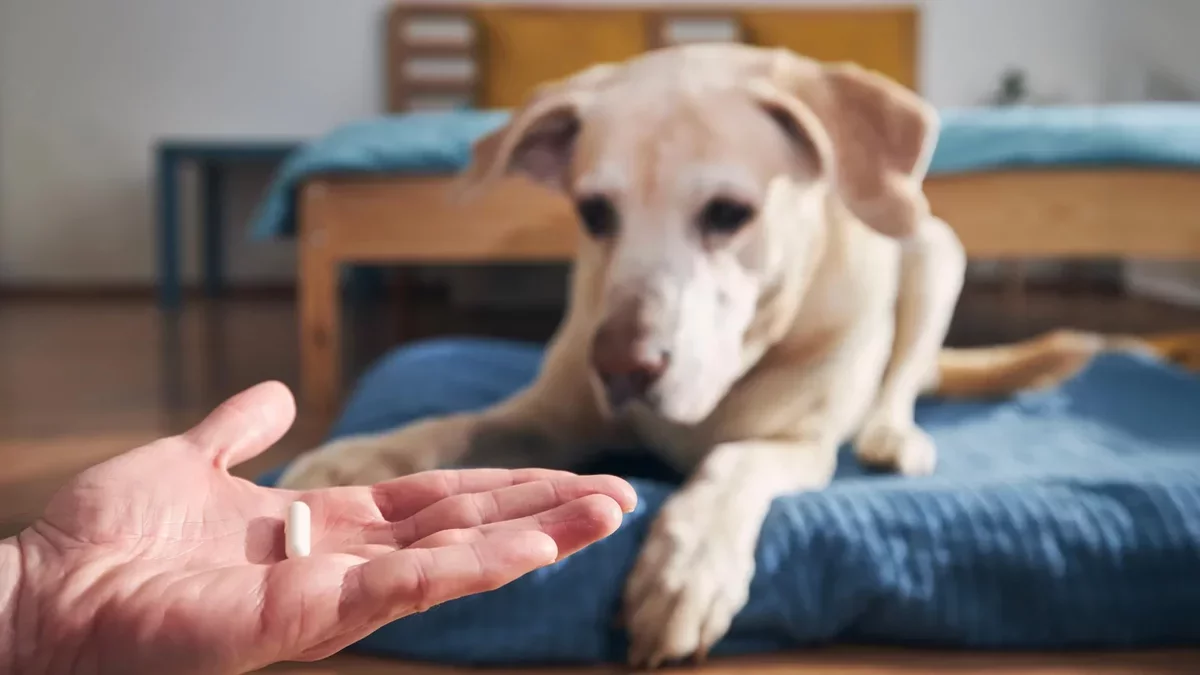
Isoxazoline drugs represent a modern class of antiparasitic treatments that veterinarians globally prescribe to safeguard pets against fleas and ticks. Since their introduction in 2013, these oral medications have gained immense popularity for their ability to provide month-long protection against these pests. After administration, the active ingredients are expelled through the pets' feces.
Environmental Concerns Arise
The European Medicines Agency has previously highlighted the potential for these compounds to contaminate natural ecosystems, although comprehensive data on their environmental impact remains sparse. The primary concern revolves around the unintended consequences of these veterinary medications on non-target species.
While isoxazolines are effective against fleas and ticks, their presence in pet waste can expose other insects. Research indicates that pets can release these chemicals into the environment via feces, urine, and even through shedding fur. Dung-feeding insects like flies, dung beetles, and certain butterflies are particularly at risk, as they play a crucial role in waste decomposition, nutrient recycling, and pest control. Ingesting feces containing drug residues may pose a significant threat to these species.
Research on Isoxazoline Residues
To assess the potential risks, a study conducted in France followed 20 dogs and 20 cats belonging to veterinary students over three months. The animals were treated with isoxazoline medications, and researchers collected fecal samples to analyze the persistence of active ingredients and estimate the exposure risk to dung-feeding insects.
The study focused on how these drugs are processed and expelled in pet waste. Surprisingly, even after the treatment period concluded, researchers identified two of the four active ingredients commonly found in isoxazoline products within the animals' feces.
Impact on Ecological Balance
Based on these findings, an environmental risk assessment indicates that dung-feeding insects could face significant exposure to isoxazoline compounds due to standard pet treatments. Researchers caution that such exposure may disrupt vital ecological functions, potentially leading to adverse effects on environmental cycles.