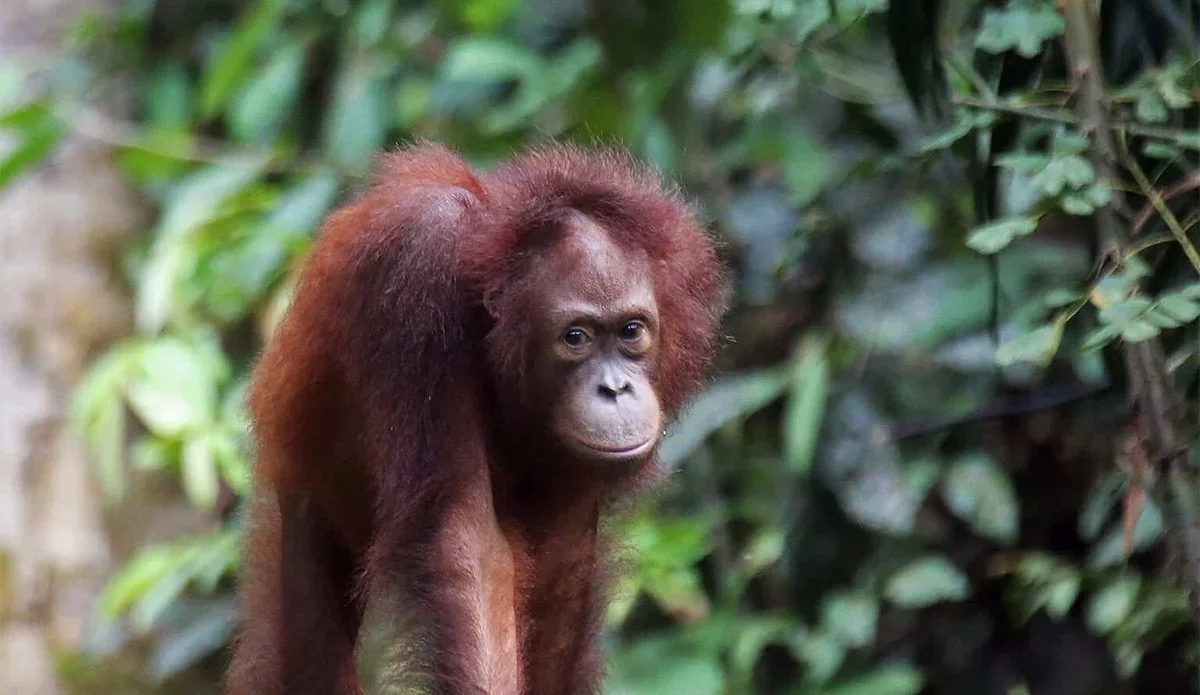
In the Kapuas Hulu district of Indonesia's West Kalimantan province, an innovative initiative is transforming local engagement with wildlife and conservation efforts. The project, named KehatiKu--derived from the Indonesian phrases for "my heart" and "biodiversity"--was developed by Borneo Futures, a scientific consultancy led by biologist Erik Meijaard. This pilot program incentivizes community members by providing small payments for documenting wildlife sightings, resulting in approximately 175,000 records collected in just one year.
Frustrated by the inefficiencies in traditional conservation methods, Meijaard initiated this project after conducting a study that revealed nearly $1 billion had been spent on orangutan conservation globally from 2000 to 2019, yet about 100,000 orangutans were still lost. By compensating local residents directly, KehatiKu has demonstrated tangible success at a fraction of the typical conservation costs.
The program operates on a remarkably low budget, spending less than $1 per hectare annually across the 200,000 hectares surveyed. This investment not only fosters community involvement but also yields real-time data on various species, including both common birds and endangered animals like the flat-headed cat and Bornean orangutan. On average, the program receives 300 to 400 observations daily, generating unprecedented data for wildlife occupancy metrics that inform conservation strategies.
All collected data remains accessible to the communities involved, with plans to share it with international organizations such as the Global Biodiversity Information Facility. The initiative also aids the Indonesian government in conservation planning, contributing valuable insights for national workshops.
Engagement in the program is straightforward; participants download a free app to record their wildlife observations through photos, videos, or audio. Payments vary based on the species observed, with higher rewards for rarer sightings. The verification process is crucial, requiring a team to confirm each submission, although Meijaard acknowledges the potential for AI to streamline this as the program scales.
Over its first year, KehatiKu has expanded to include nine villages and more than 800 observers, providing participants with earnings ranging from 100,000 to 5 million rupiah (up to $292) monthly. This income can significantly surpass local average wages, presenting a viable career path for many. The initiative has also sparked community discussions around wildlife protection, leading to self-imposed bans on hunting and trapping.
As a result, perceptions of species like orangutans are shifting; instead of being viewed as pests, they are now seen as valuable wildlife that can contribute to local livelihoods. Meijaard emphasizes that the program's success hinges on community ownership and participation.
Looking ahead, if the KehatiKu model proves effective in driving positive change, it could potentially be replicated across Indonesia, fostering a new era of community-driven wildlife conservation.