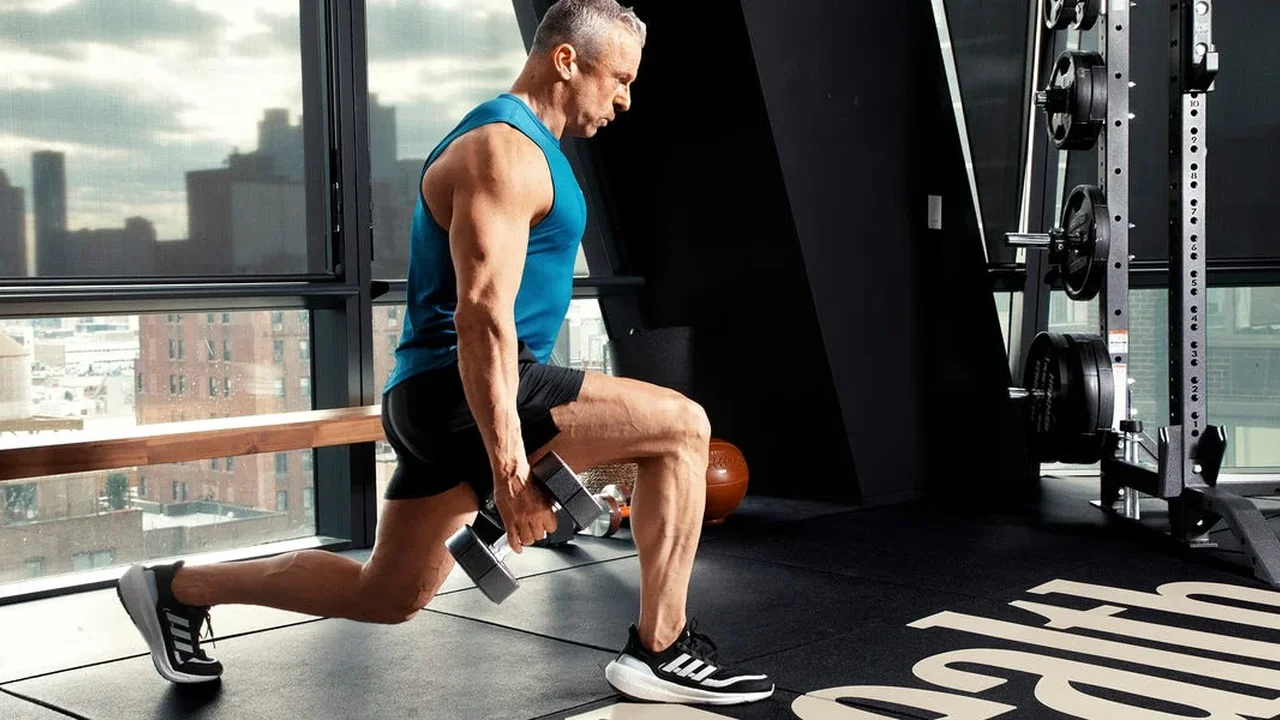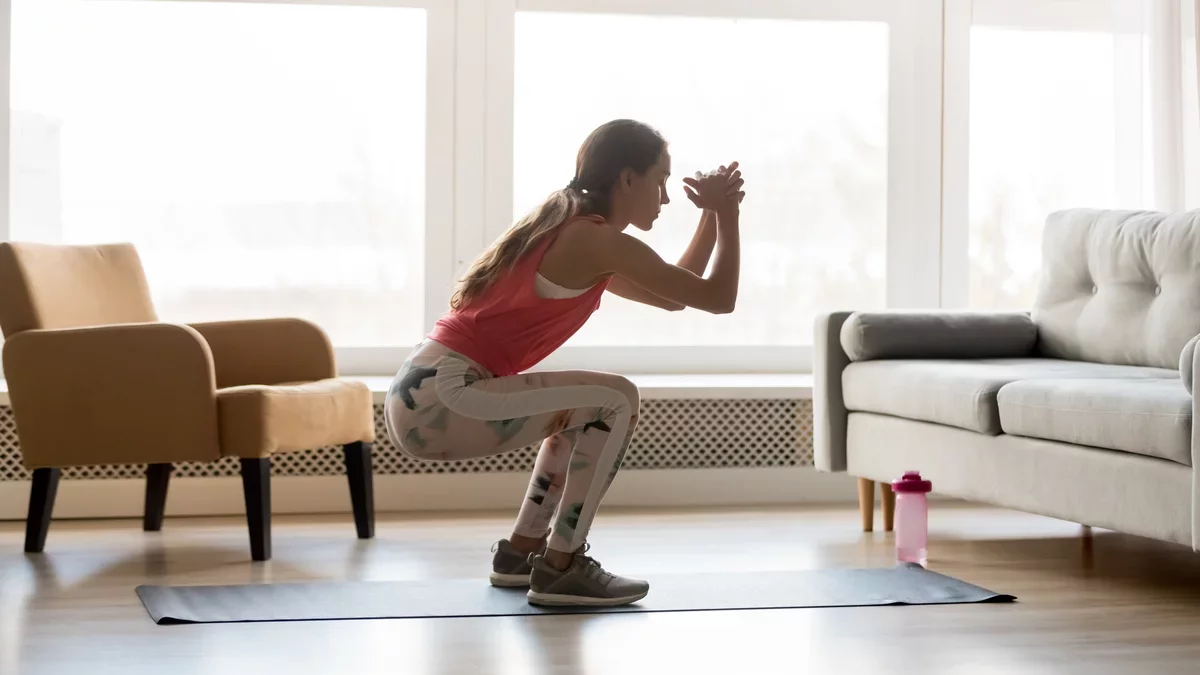
The world of squats is incredibly diverse, with variations like high squats, low squats, front squats, and back squats, each offering unique benefits. Yet, enthusiasts often debate the ideal squat depth. This guide will clarify what squat depth means and help you determine the best approach for your fitness goals.
Understanding Squat Depth
Squat depth refers to how low your hips descend during the movement. Some individuals can achieve a full squat where their thighs touch their calves, often referred to as an "ass-to-grass" squat. If your knees bend only slightly before your form falters, you might be squatting too high. If a knowledgeable coach or friend suggests you squat deeper, consider their advice. However, if the feedback comes from a random gym-goer, you're not obligated to follow it.
Generally, higher squats are easier, allowing for heavier weights. Consistency is key in training; if you begin with a 225-pound squat to parallel and later lift 315 pounds in a half-squat, you can't accurately claim a 90-pound increase in strength, as these are different lifts. Choose a specific depth and maintain it throughout your training.
The Ideal Depth for Most Individuals
For the majority, squatting "to parallel" is recommended. This means your thighs should be parallel to the floor, indicating your hips and knees are aligned. This standard is practical for trainers and judges, making it easier to assess squat depth during workouts or competitions.
In powerlifting, judges scrutinize your squat position, ensuring your hip joint dips below your kneecap for a valid lift, aligning with the parallel definition. To assess your depth accurately, avoid using mirrors; instead, record yourself from the side or have a friend observe your form. You can also use a box or bench to ensure consistent depth during your reps.
Advantages of Squatting to Parallel:
Increased range of motion, enhancing muscle engagement compared to higher squats.
Most individuals can achieve parallel squats with practice, making it an attainable goal.
Potential for lifting heavier weights compared to lower squats.
Better foot stability during parallel squats versus deeper squats.
Consistent comparison for tracking progress across sets.
When to Consider Squatting Lower
Squatting lower than parallel can be beneficial in certain cases. If you prefer deeper squats for comfort or increased weight, it's valid as long as the movement remains controlled. Olympic weightlifters often squat low to enhance strength for lifts like cleans and snatches, training for the specific positions their sport demands.
Low squats can also aid those looking to improve mobility and ensure a full range of motion in their leg training. However, not everyone is comfortable squatting low; inadequate ankle mobility can hinder your ability to maintain balance and proper form, especially for those with knee concerns.
Benefits of Squatting Low:
Engages a broader range of motion for leg and hip muscles.
Potential for enhanced muscle growth in glutes and adductors.
Maintains flexibility in hips and ankles.
Prepares you for movements requiring deep squat mobility.
When to Choose Higher Squats
It's perfectly acceptable to squat above parallel for various training needs. High squats, or "half squats," can be effective, especially for athletes involved in sports like basketball where full squat positions are rare. They also allow for heavier weights, which can enhance strength in the upper range of motion.
For those lacking mobility for a full squat or recovering from an injury, high squats may be the more suitable option. To maintain consistency, consider using a box as a target for your squats.
Advantages of Squatting High:
Builds strength relevant to running and jumping sports.
Better than avoiding squats altogether.
Can serve as a transition back to normal depth after an injury.
Tips for Achieving Deeper Squats
If you aim to squat deeper but face challenges, ankle mobility is often the culprit. Your ankles need to flex adequately to achieve lower squat depths. Consider using plates under your heels or specialized weightlifting shoes to assist. Additionally, incorporating calf and ankle stretches into your routine can improve flexibility over time.
Experiment with different squat styles to find what feels most comfortable and effective for you.
Finding Your Ideal Squat Depth
If you're not competing and see benefits in various squat depths, remember that personal preference plays a role. The so-called "squat police" won't penalize you for squatting higher or lower. Focus on what feels right for your body and aligns with your fitness goals, whether that's squatting low or maintaining a parallel depth.
Ultimately, choose the squat depth that suits you best, as your comfort and safety should always come first.