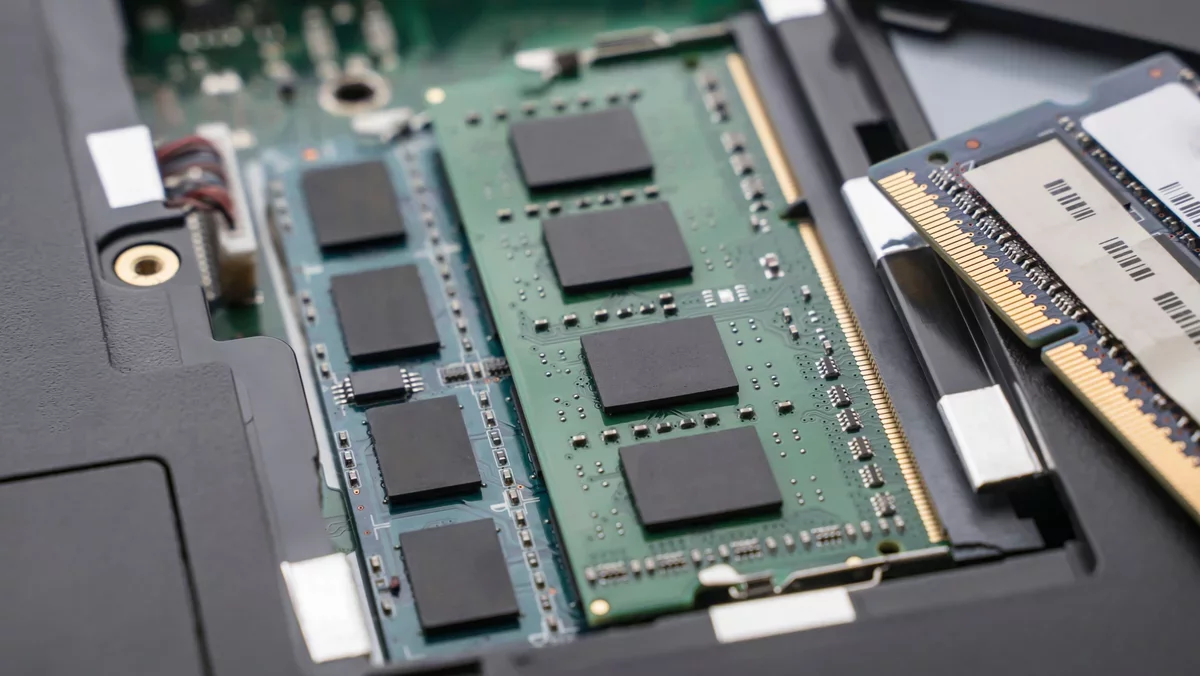
Recent insights indicate that the ongoing memory crisis is unlikely to ease in the near future. As reported by Nikkei Asia, the demand for RAM is surging, primarily driven by AI companies that are rapidly expanding their data center capabilities. However, the global supply of memory chips is constrained, with only three major manufacturers--SK Hynix, Micron Technology, and Samsung--capable of meeting this demand. Despite efforts to increase production, these companies are struggling to keep pace.
Samsung Confirms Supply Shortages
In a recent earnings call, Samsung's memory division executive Kim Jaejune acknowledged the challenges, stating, "Our supply falls far short of customer demand... the gap between supply and demand is expected to widen even further in 2026." This statement aligns with previous reports, highlighting Samsung's inability to fulfill current demand levels, a trend anticipated to persist into the next year.
It's crucial to note that the demand is not primarily for consumer-grade RAM; instead, AI firms are seeking high-bandwidth memory (HBM) chips to support their intensive processing needs. The shortage of HBM will likely push companies to purchase standard RAM, further straining the consumer market. Samsung projects a significant increase in HBM revenue, expecting it to triple by 2026 compared to 2025.
The impact of this memory crisis extends beyond RAM buyers; virtually all modern devices--smartphones, computers, fitness trackers, and smart home gadgets--rely on RAM to function. Consequently, consumers may see a rise in prices for these products as the crisis unfolds.
Navigating the Memory Crisis: Two Consumer Strategies
With the memory crisis showing no signs of abating, consumers have two potential strategies to consider. First, if you're in the market for a new device, it may be wise to purchase sooner rather than later, ideally taking advantage of any discounts available. Given the current trends, prices for tech are unlikely to decrease significantly in the foreseeable future.
Alternatively, consider exploring the second option: hold onto your current devices if they are still functional. If your technology can last another year or more, it may be prudent to delay any new purchases. There are various ways to rejuvenate older devices, such as installing alternative operating systems or repurposing them, which can extend their usability without the need for new investments.
As memory manufacturers anticipate that supply will not meet demand until at least 2027, consumers might find themselves in a waiting game. If the situation improves by then, it could present a more favorable environment for purchasing new technology.