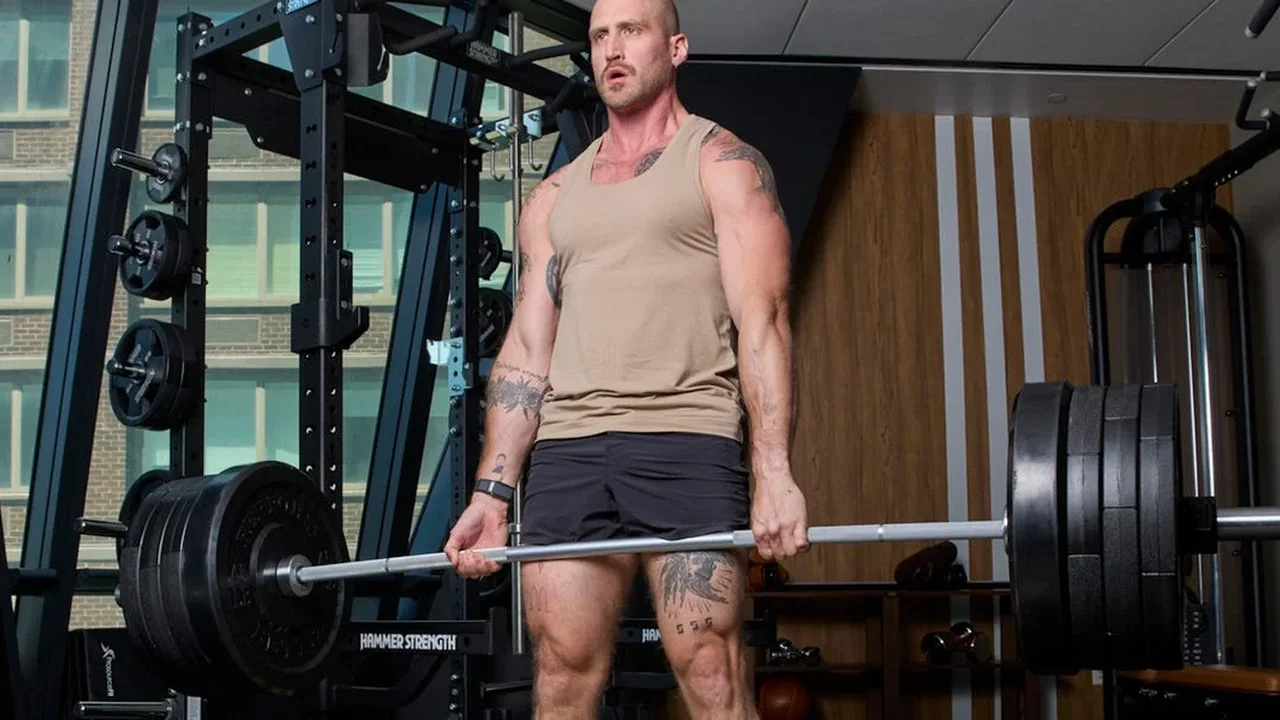
Determining the ideal number of repetitions (reps) during weightlifting can significantly influence your fitness journey. While many believe there are specific rep ranges for building strength, muscle size, or endurance, the reality is more nuanced.
Understanding Reps and Sets
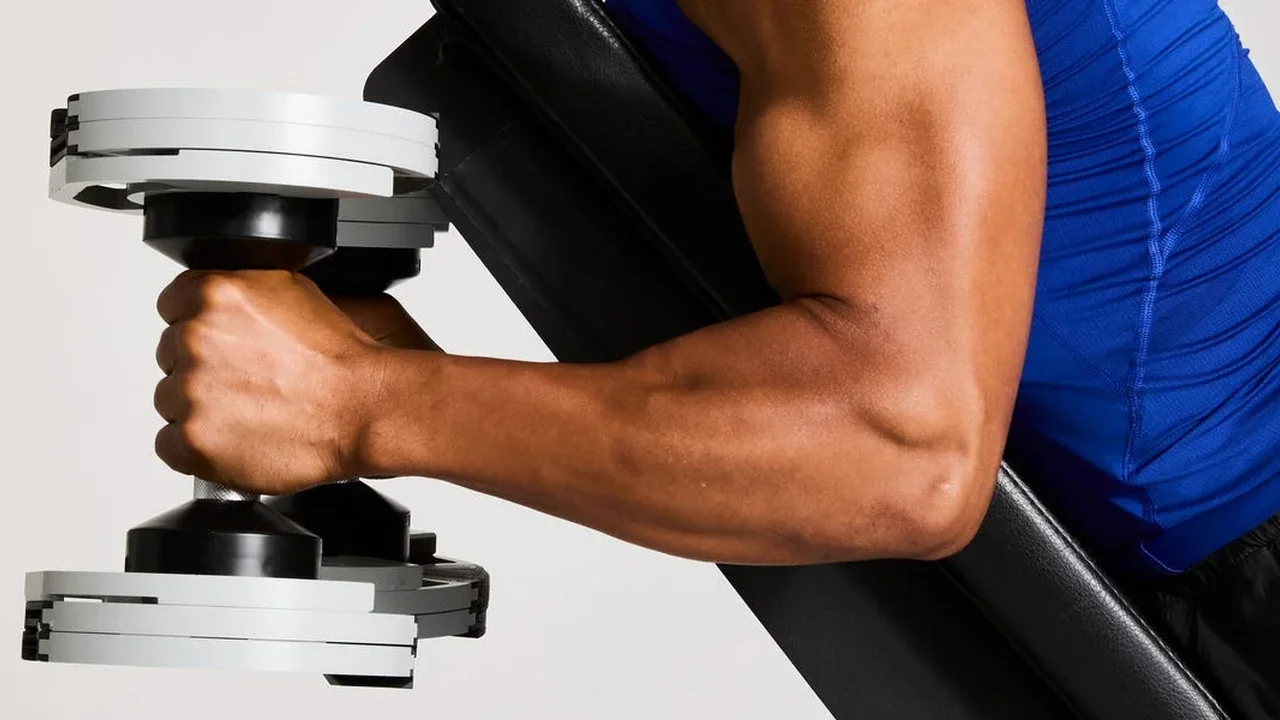
To clarify, a set consists of a series of reps. For example, performing eight curls with a dumbbell counts as one set of eight reps. Typically, a workout involves multiple sets of each exercise, often followed by a rest period of one to two minutes. Common formats include three sets of ten or four sets of eight to twelve.
Traditional Rep Ranges Explained
Common wisdom suggests the following rep ranges:
One to five reps for strength.
Six to twelve reps for muscle size.
Eight to twelve reps for toning, particularly among women.
Fifteen or more reps for muscular endurance.
However, these categories often overlap, indicating that the number of reps alone may not dictate outcomes.
Strength and Muscle Size: A Unified Approach
For beginners and intermediates, it's crucial to understand that various rep ranges can contribute to both strength and muscle growth. Engaging in a mix of rep ranges can yield better results, as each serves unique purposes. For instance, lifting heavy weights for fewer reps can enhance strength, while moderate reps can simultaneously promote muscle size.
When to Use Low Reps (1-5)
This range is effective for building strength and refining technique. It allows you to focus on form and avoid fatigue, making it ideal for both experienced lifters and beginners mastering new movements.
When to Use Moderate Reps (6-12)
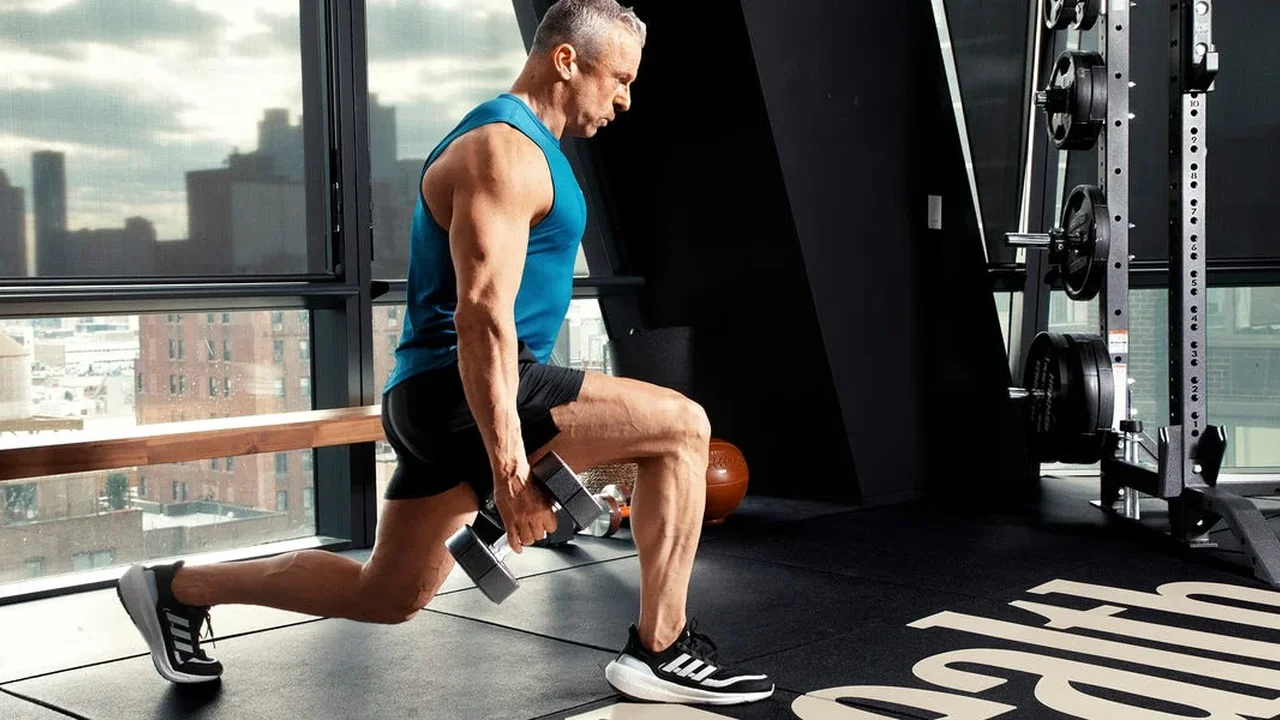
Moderate reps strike a balance between strength and size, making them suitable for most fitness enthusiasts. This range is particularly beneficial for beginners who need practice without the strain of heavy weights.
When to Use Higher Reps (15+)
While traditionally associated with endurance, higher reps can still contribute to muscle growth if performed to failure. However, they are less effective for developing strength compared to lower rep ranges.
The Importance of Variety
In conclusion, integrating a variety of rep ranges into your training regimen can optimize results. Whether your goal is strength, size, or endurance, utilizing different rep schemes will enhance your overall fitness journey and adaptability in the gym.
This approach not only diversifies your workouts but also prepares you for future fitness challenges, fostering a well-rounded and resilient physique.