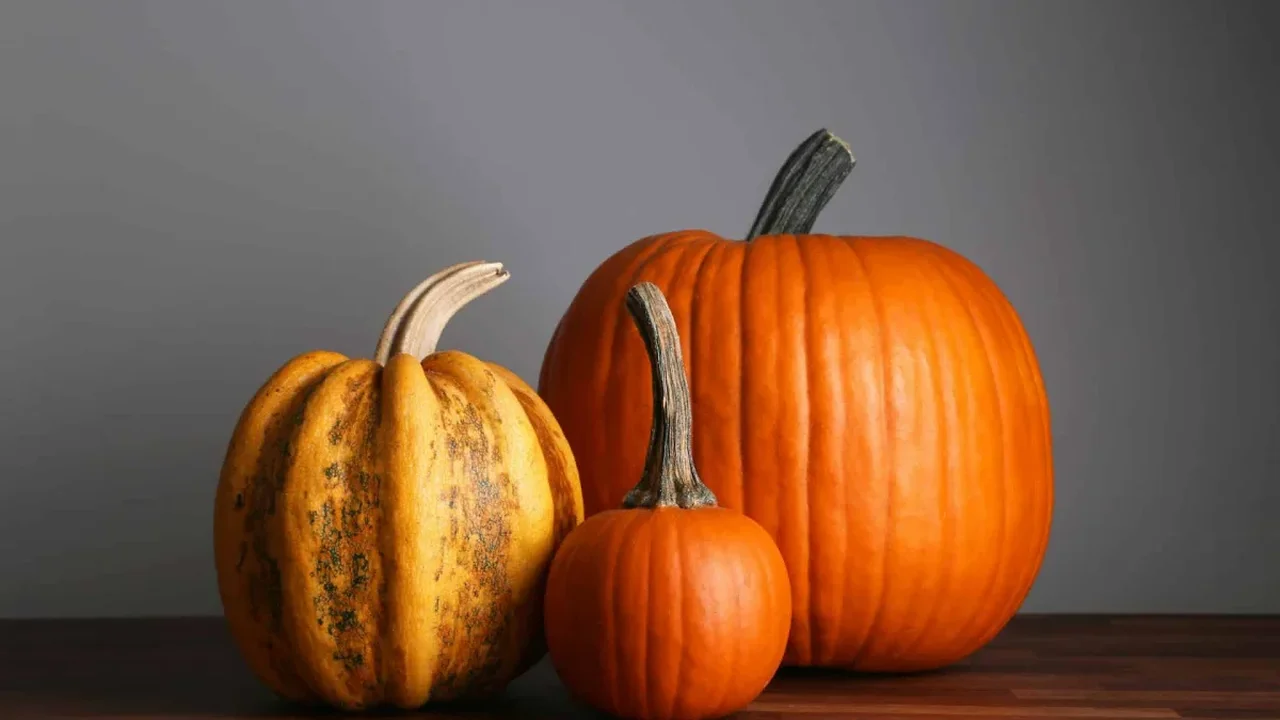
Modern pumpkins descend from plants that once depended on Ice Age giants. Wild members of the Cucurbita genus--including relatives of pumpkins, squash and zucchini--produced hard-shelled fruits containing intensely bitter compounds called cucurbitacins.
These traits may have helped the plants target the right seed dispersers. Small mammals could be deterred by the toxins and damage the seeds when chewing the fruit. Mastodons and other megafauna, by contrast, could swallow the gourds and carry their seeds far away in their dung.
A partnership with giants
Evidence for that relationship includes intact wild gourd seeds found in roughly 30,000-year-old mastodon dung in Florida. Large herbivores also disturbed vegetation and opened sunny patches of soil where sprawling vines could grow.
A 2015 study in the journal Proceedings of the National Academy of Sciences, led by archaeobotanist Logan Kistler, examined the evolutionary history of wild and domesticated gourds. The research linked the plants' traits to megafauna, whose size may have helped them tolerate compounds that deterred smaller animals.
When many of the Americas' largest land mammals disappeared around 12,000 years ago, the gourds lost important seed dispersers and habitat-shaping partners. Some wild lineages dwindled or vanished, leaving cultivated plants increasingly shaped by human activity.
From useful shell to food
Early people may first have valued gourds for their durable shells, which could serve as containers and floats. By collecting and planting them, communities created opportunities to select less bitter plants. Over generations, Indigenous farmers across the Americas cultivated gourds into the larger, more palatable crops familiar today.
The pumpkin's story shows how human cultivation can redirect a plant's evolutionary path. As research continues to reveal the relationships behind domesticated crops, that knowledge may help guide future efforts to protect agricultural diversity.