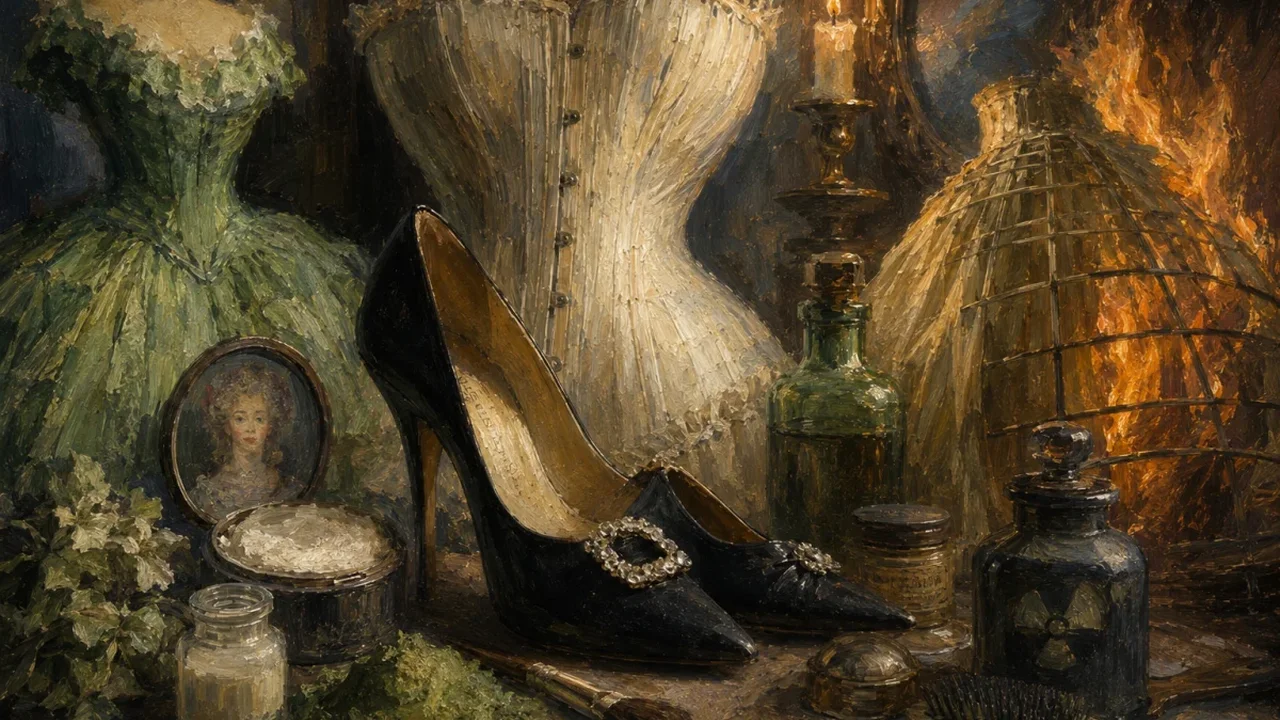
Fashion has always balanced expression with practicality, but history shows that some trends pushed that balance too far. From dramatic silhouettes to bold cosmetics, style once came with surprising physical costs.
Six fashion trends that tested the limits
Stiletto heels became a symbol of glamour in the 1950s, yet medical concerns quickly followed. Studies have linked prolonged high-heel use with musculoskeletal strain, and the design also made the shoe a surprisingly forceful object in some incidents.
Corsets shaped fashion for centuries, especially during the era of tight lacing. Medical observers such as Samuel Thomas von Sömmerring warned that excessive compression could affect the ribs and internal organs, while later reports in The Lancet highlighted the risks of restricted breathing and body deformation.
In the Victorian period, the pursuit of vivid color gave rise to arsenic-based green dyes. Scheele's green created a striking emerald tone for dresses and interiors, but later chemical analysis revealed its toxic makeup and the health consequences tied to prolonged exposure.
Cosmetics were not always gentle either. Queen Elizabeth I's iconic pale face was achieved with Venetian Ceruse, a lead-based mixture that reflected status and beauty ideals of the time. Similar lead-based products appeared in earlier and later beauty routines across different cultures.
Hair trends also carried hidden risks. Voluminous styles such as the Pompadour relied on heavy pomades, while early 20th-century products sometimes included radium in the name of shine, growth, or novelty. What looked futuristic then would be considered unsafe today.
Finally, the wide crinoline skirt became one of the most impractical fashion statements of the Victorian era. Its structure created dramatic movement, but its flammability made it a dangerous choice around open flames.
These examples show how fashion has long reflected ambition, identity, and innovation. Today, the industry's growing focus on comfort, materials science, and safety may shape a more intelligent future for style.