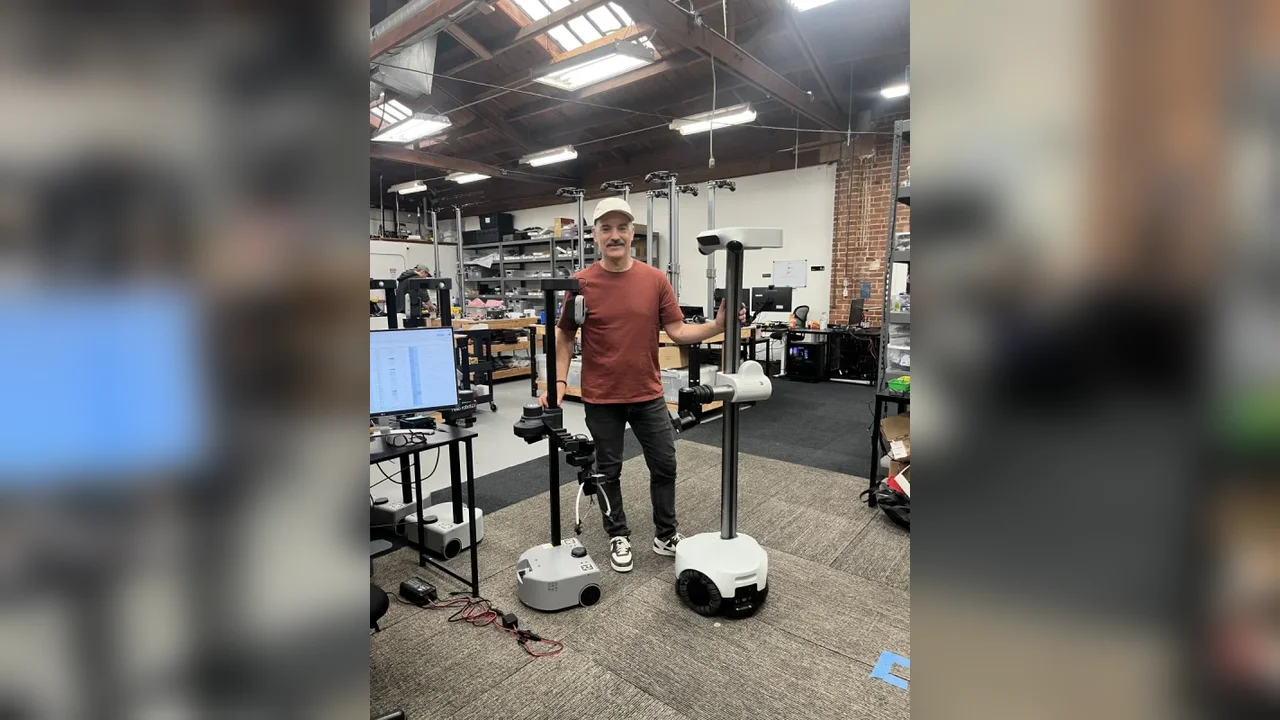
Hello Robot's latest home-assistance platform, Stretch 4, is designed around a practical question: how can robotics make everyday life more independent?
Rather than pursuing a human-like form, the compact robot uses a wheeled base and a single telescoping arm to move through homes and interact with objects in spaces built for people. Its sensor suite, perception systems and contact-sensitive controls are engineered for close, careful operation around users.
Technology Designed for Daily Life
Stretch 4 is intended to support people with significant mobility limitations in routine activities that can otherwise require assistance. The platform can help with tasks such as reaching for objects, adjusting window coverings, handling personal items and supporting eating or grooming routines.
The new generation was shaped by six years of customer feedback, according to Hello Robot. It also includes a full-stack, open-source software platform aimed at researchers and developers working in robotics and embodied AI.
A Different Path for Physical AI
At TechCrunch Disrupt 2026, Hello Robot co-founder and CEO Aaron Edsinger is set to demonstrate Stretch 4 on the Real World AI Stage. The session will focus on physical AI designed for shared human environments, where reliability, safety and usability matter as much as technical spectacle.
Edsinger's work spans human-robot interaction, mechanical design, real-time control and robotic manipulation. Before founding Hello Robot, he established Meka Robotics and Redwood Robotics, later joining Google's robotics organization following their acquisition.
Stretch 4 represents a growing view of robotics in which meaningful progress is measured not only by movement or appearance, but by whether technology can expand a person's autonomy at home. As accessible robotics matures, purpose-built systems like Stretch could help make intelligent assistance a more natural part of daily living.