Google has opened pre-orders for Googlebook, a new AI-native laptop range priced from $899. Built around the latest Gemini capabilities, the devices aim to bring generative AI closer to everyday writing, browsing, research and creative workflows.
A desktop experience shaped by AI
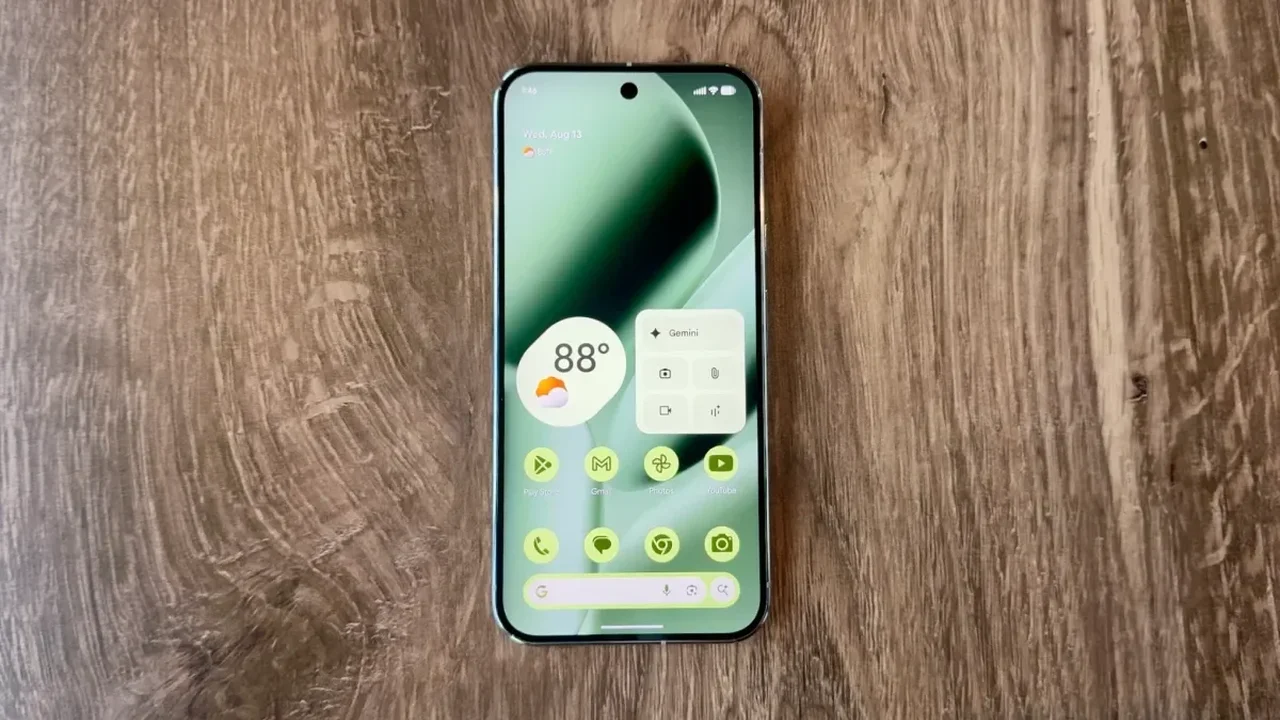
Googlebook runs on Android OS with a desktop version of Chrome and familiar ChromeOS-style elements. Its defining feature is Magic Cursor, an AI-enabled pointer that lets users select on-screen content and ask Gemini to interpret, organize or act on it. This can include reviewing highlighted web text, assessing suspicious emails or combining selected visual elements into a new prompt.
The laptops also introduce Rambler, an AI writing tool designed to turn rough voice notes and unstructured ideas into polished, readable text. Other features include AI-supported dictation, customizable "vibe-coded" widgets, Gemini Spark and Gemini Live.
Hardware designed for the Gemini era
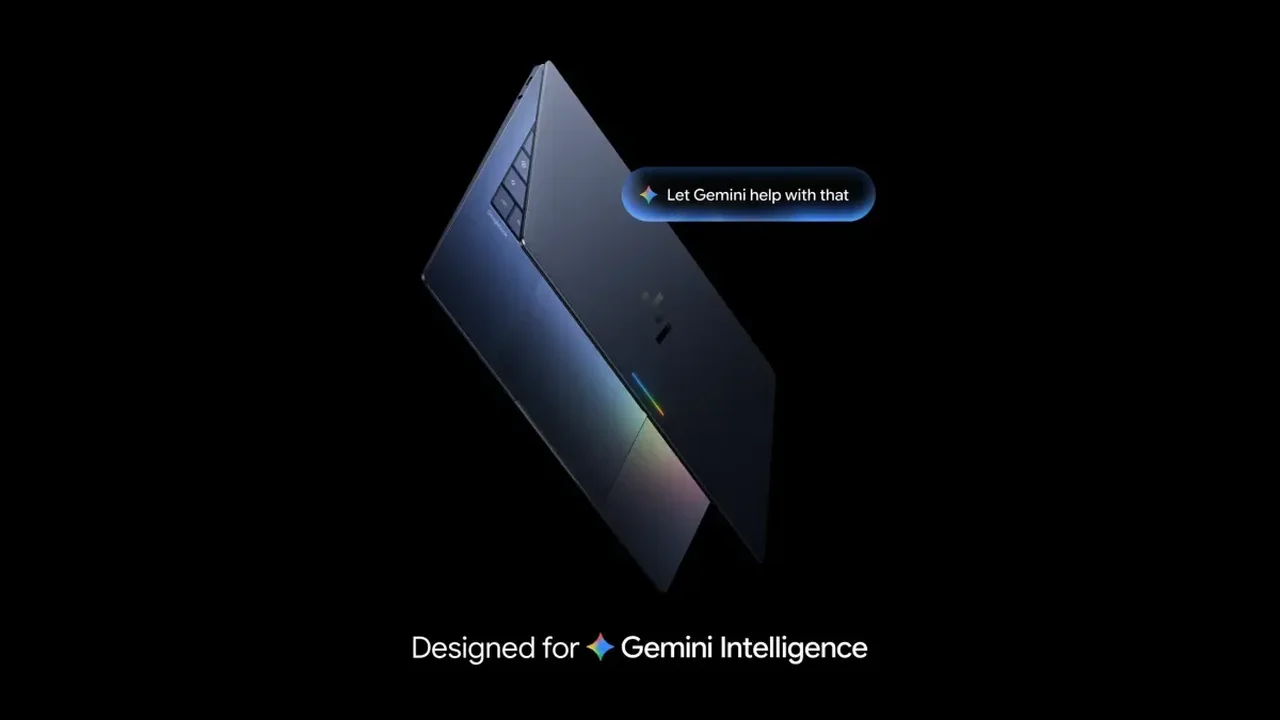
Google says flagship Googlebook models from Acer, ASUS, Dell, HP and Lenovo will use materials including aluminum, magnesium alloy and carbon fiber. Configurations are expected to offer up to 2.8K OLED displays, haptic glass trackpads, backlit keyboards and processors from Intel or Qualcomm with dedicated NPUs for AI workloads.
The company projects up to 14 hours of battery life and commits to regular software updates for as long as 10 years. Each $899 purchase includes 12 months of Google AI Pro, with 5TB of cloud storage and access to advanced Gemini tools.
Expanding an education-focused ecosystem
Googlebook also signals a possible next step for the Chromebook ecosystem, which has a substantial presence in schools. Google says existing Chromebooks will continue to receive support, while eligible models may gain access to the Googlebook experience over time.
Sales are scheduled to begin October 4 in the United States and October 5 across Canada, the United Kingdom, Ireland, France, Germany and Australia. By placing Gemini at the center of the laptop interface, Googlebook could help shape a future in which personal computing becomes more conversational, adaptive and creative.