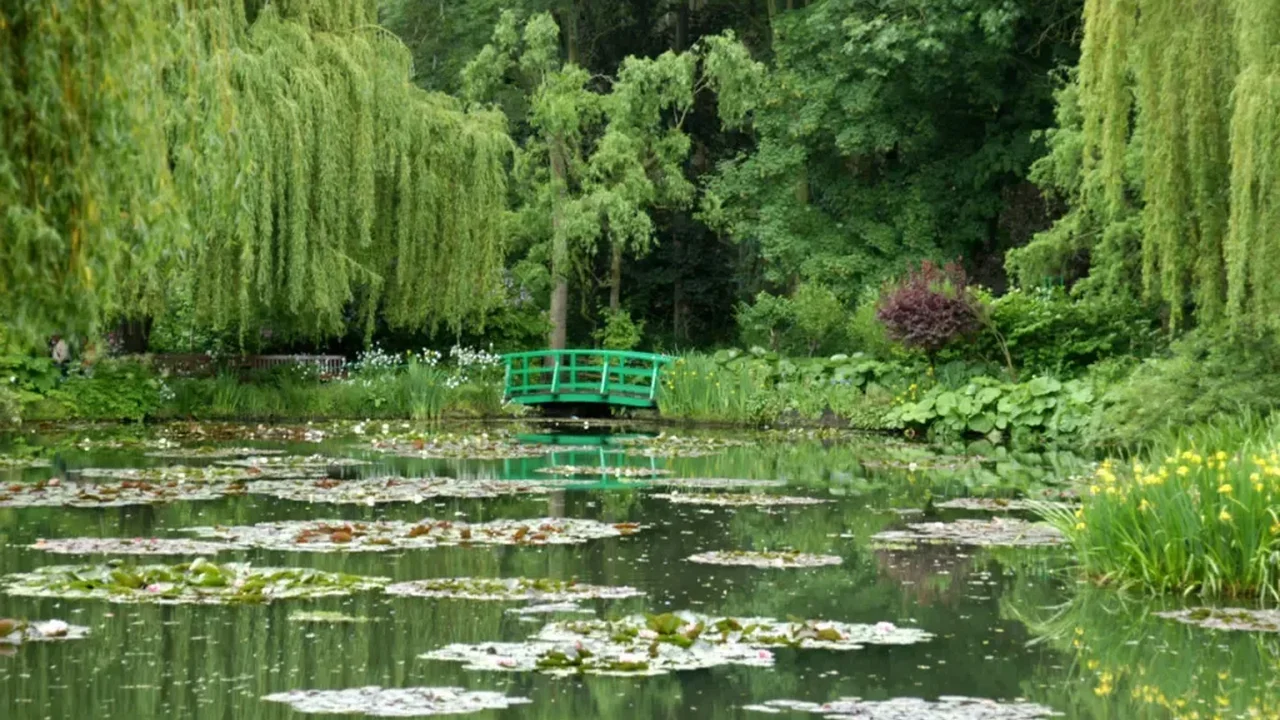
France's intense summer heat is reshaping one of its most iconic cultural landscapes: Claude Monet's gardens in Giverny, Normandy. As temperatures climb, gardeners are adapting their routines to protect the historic site's seasonal balance and visual identity.
Rémi Lecoutre, deputy head gardener at the Claude Monet House and Gardens museum, said the heat has affected flowers in an unprecedented way. Some plants have wilted early, while others have struggled to keep blooming through the hottest days.
To respond, the gardening team has intensified night watering, grouped plants more closely, and relied on mini-sprinklers and underground irrigation to reduce water stress. These methods have helped preserve much of the garden's appearance, even if some damage is still visible on closer inspection.
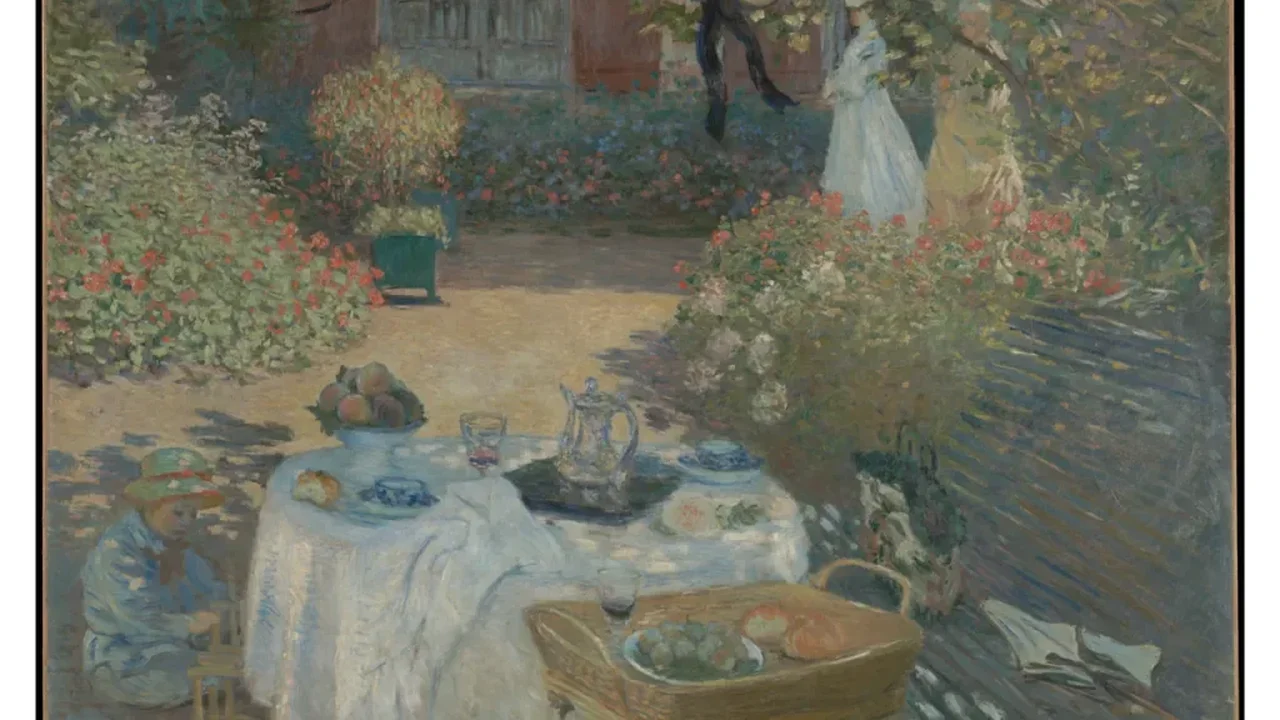
The team is also thinking ahead. More heat-resilient plants may be introduced, and flowering schedules may shift earlier as climate conditions continue to change. At the same time, the garden must remain faithful to the spirit of Monet's original vision, where color, rhythm, and seasonal variety were central to the composition.
That balance is part of the site's enduring appeal: it is both a living garden and a tribute to the Impressionist's artistic world. Notably, Monet's water lilies are thriving in the warmth, offering a rare point of continuity amid the seasonal disruption.
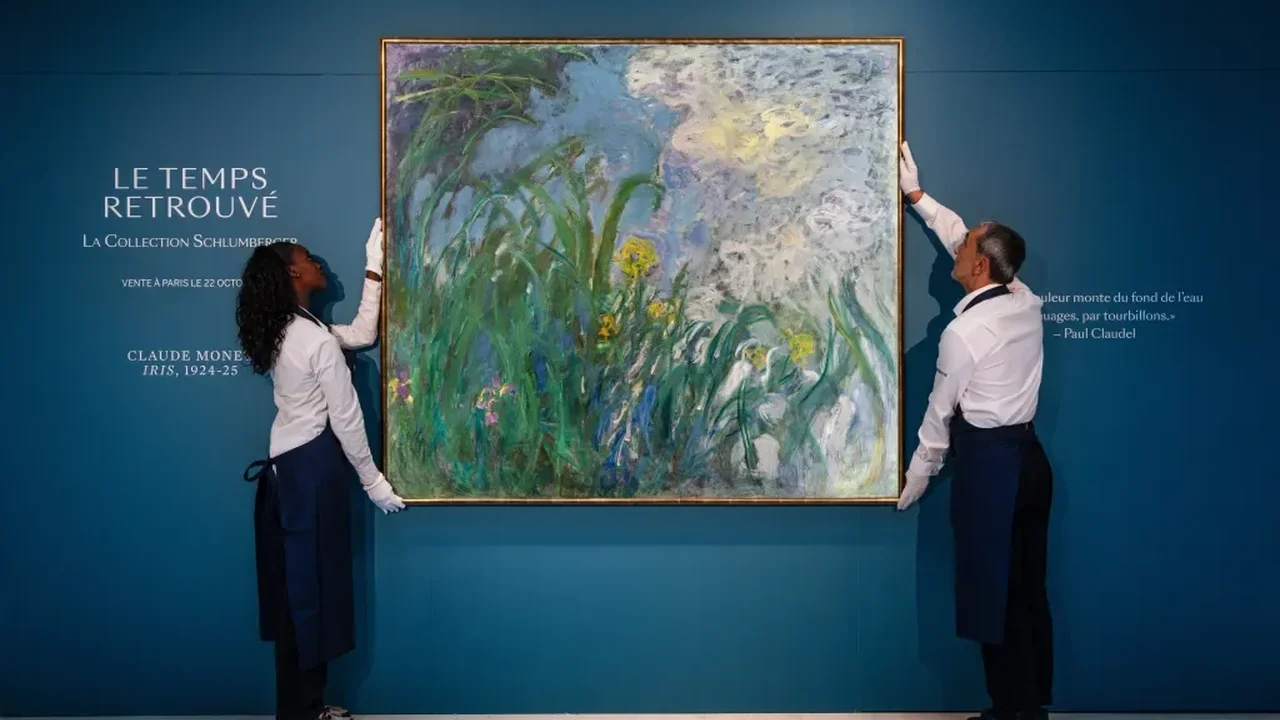
As the 100th anniversary of Monet's death is marked with exhibitions and events across France, Giverny's gardens stand as a reminder that heritage spaces can evolve through innovation while preserving their cultural essence. In the future, such adaptive garden design may become a model for protecting historic landscapes in a warming world.